


Copyright © 2016 Aofei Freight
企业跨境官网制作联系微信:LY2299888 XML

 Language
扫码添加客服微信

When it comes to shipping goods, especially through consolidated shipping to Australia, the first - weight cost is a crucial factor that can significantly impact your budget. Let's dig deep into what this first - weight is and what it might cost.
First - weight in shipping consolidation refers to the initial set amount of weight for which a particular shipping rate is applied. Once you exceed this first - weight amount, additional charges based on the subsequent weight (usually called the续重, or additional weight in English) will be added. It's like the entry - level price for getting your goods on the shipping vessel or plane.
There are mainly two common shipping methods for international consolidation to Australia: sea freight and air freight.
Sea Freight: Sea freight is generally more cost - effective for large and heavy shipments. For example, if you're shipping a large quantity of furniture or industrial equipment. The first - weight for sea freight consolidation to Australia might start from 1 cubic meter or around 1000 kilograms. The cost for the first - weight can vary from $300 - $800 per cubic meter, depending on factors like the departure port, shipping season, and carrier. For instance, if you're shipping from a major port in China like Shanghai, the cost might be on the lower end of the spectrum due to the high volume of shipping traffic.The nature of your goods also plays a big role in determining the first - weight cost.
General Goods: These are non - hazardous and common items like clothing, toys, and electronics. For general goods shipped via sea freight, the initial cost per cubic meter for the first - weight is relatively stable. But for air freight, if you're shipping high - value electronics, the airline might charge a premium due to the need for extra security and handling.Proper packaging is essential for shipping, and it can affect the first - weight cost.
Light - Weight Packaging: If you use light - weight but sturdy packaging materials like corrugated cardboard or foam, it can help keep the overall weight of your shipment down. For example, if you're shipping glassware, using custom - fit foam inserts inside a cardboard box will protect the goods without adding excessive weight. This way, you're more likely to stay within the first - weight range and avoid additional charges.Let's take a look at a real - life scenario of using Shenzhen Aofei Freight for consolidated shipping to Australia.
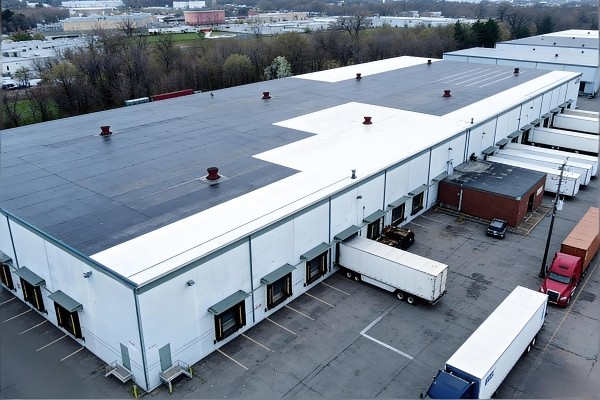
A small business in Shenzhen wanted to ship a batch of 200 pieces of custom - made handicrafts to a retailer in Sydney. The handicrafts were relatively light but fragile.
Shipping Method Selection: Shenzhen Aofei Freight recommended air freight for its speed, as the retailer needed the goods urgently. The first - weight for air freight was set at 15 kilograms.In conclusion, if you're planning to ship goods through consolidation to Australia, understanding the first - weight cost is key. And companies like Shenzhen Aofei Freight can be your reliable partner in navigating these costs and ensuring a smooth shipping process. So give them a try and see how they can help you save on your shipping expenses.