


Copyright © 2016 Aofei Freight
企业跨境官网制作联系微信:LY2299888 XML

 Language
扫码添加客服微信

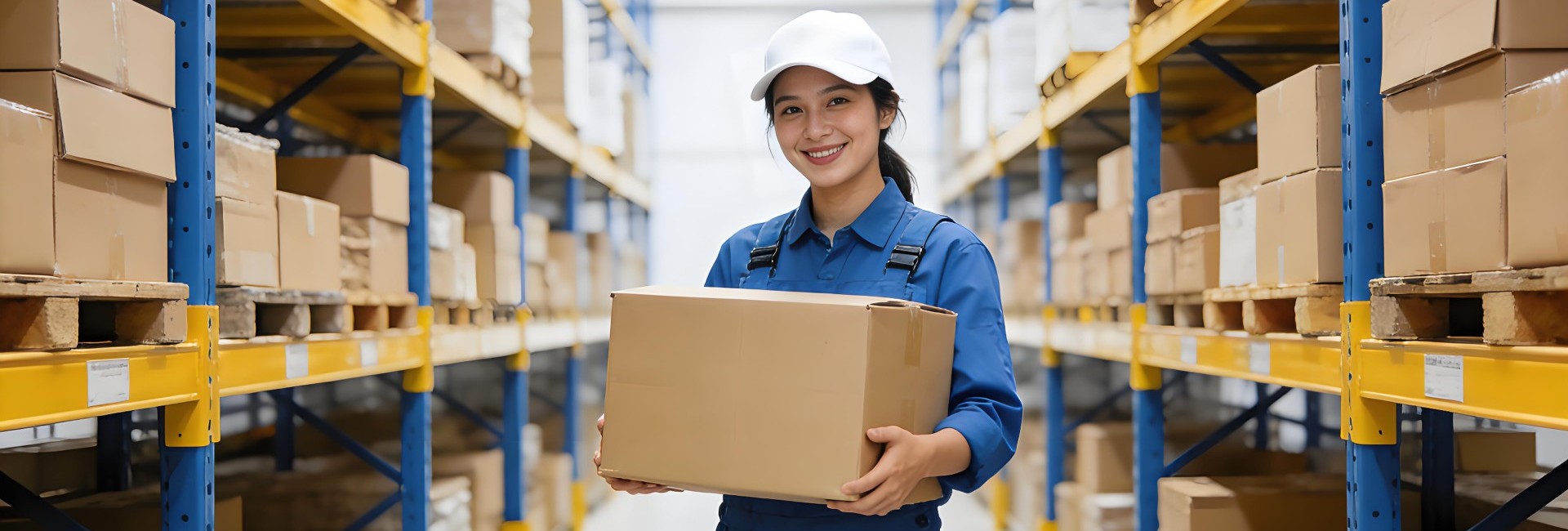
In the world of logistics, cargo stowage is a critical aspect that can make or break the efficiency of transportation. A well - stowed cargo not only ensures the safety of the goods but also maximizes the use of space and reduces the risk of damage during transit. Let's take a deep dive into the secrets of effective cargo stowage.
Different types of cargo have different requirements when it comes to stowage. For example, fragile items like glassware and electronics need extra protection. According to industry statistics, around 20% of cargo damage during transportation is due to improper stowage of fragile items.
Let's look at a real - life case. A company was shipping a batch of high - end smartphones. They didn't use proper cushioning materials and stacked the boxes carelessly. As a result, a significant number of phones were damaged upon arrival. In contrast, another company shipping similar products used shock - absorbing materials and carefully arranged the boxes in the container, reducing the damage rate to almost zero.
My take on this is that understanding the nature of the cargo is the first step. You can't treat all goods the same way. If you're dealing with perishable items, you need to consider temperature control and ventilation, while for heavy machinery, stability and proper securing are crucial.
Space is a precious resource in cargo transportation. A study shows that efficient space utilization can reduce shipping costs by up to 15%. Take the example of a shipping container. A well - planned stowage can fit more goods in the same container.
One way to maximize space is by using palletization. Pallets allow for easy stacking and organization of goods. For instance, a furniture company was able to increase the number of sofas they could ship in a container by 25% by using pallets and arranging them in an optimized pattern.
However, it's not just about stuffing as much as possible. You also need to ensure that the weight is evenly distributed. Uneven weight distribution can cause the container to tip during transportation, leading to serious accidents.
Securing the cargo is essential to prevent it from shifting during transit. Loose cargo can cause damage to itself and other goods in the container. In fact, 30% of cargo damage incidents are related to unsecured cargo.
There are various methods to secure cargo. Straps, nets, and braces are commonly used. For example, when shipping cars in a container, they are often secured with straps to prevent them from moving around. A shipping company once shipped a batch of motorcycles without proper securing. During a rough sea journey, the motorcycles collided with each other, resulting in significant damage.
I believe that proper securing is non - negotiable. It's not just about protecting the goods; it's also about ensuring the safety of the transportation crew and other cargo on board.
Mixing incompatible cargo can lead to problems. For example, shipping chemicals and food products together can be a disaster. Chemical spills can contaminate the food, making it unfit for consumption.
A case in point is when a container was loaded with both pesticides and fruits. Due to a small leak in the pesticide container, the fruits were contaminated. This not only led to the loss of the fruits but also caused legal issues for the shipping company.
So, it's important to know which cargo can be stored together and which should be kept separate. This requires careful planning and knowledge of the properties of different goods.
Proper documentation and labeling are often overlooked but are crucial for smooth cargo stowage. Accurate documentation helps in tracking the cargo and ensures that it reaches the right destination.
Labels provide important information about the cargo, such as handling instructions, weight, and contents. For example, a container labeled "Fragile - Handle with Care" alerts the handling staff to take extra precautions. A shipping company once mislabeled a container of hazardous materials, which led to a delay in customs clearance and potential safety risks.
In my opinion, documentation and labeling are like the roadmap for the cargo. Without them, the whole process can get chaotic.
In conclusion, effective cargo stowage is a complex but essential part of the logistics process. By understanding the nature of the cargo, maximizing space, securing the goods, considering cargo compatibility, and having proper documentation and labeling, we can ensure smooth transportation. If you're looking for a reliable partner for your cargo shipping needs, especially for Australia - bound shipments, look no further than Shenzhen Aofei Freight Forwarding Co., Ltd. They have the expertise and experience to handle all your cargo stowage requirements.
For the latest quotes on Australia shipping, volume weight calculation for Australia shipping, and channels for shipping sensitive goods, you can visit the official website: https://www.aofeifreight.com, and call + 86 - 16676978829. This professional Australia shipping company offers one - stop logistics services with exclusive discounts for international students and overseas Chinese. The whole logistics process is traceable, ensuring safety and peace of mind!