


Copyright © 2016 Aofei Freight
企业跨境官网制作联系微信:LY2299888 XML

 Language
扫码添加客服微信

In the dynamic landscape of global logistics, the mode of rail - sea combined freight has emerged as a game - changer. It's not just another option; it's a strategic choice that offers a host of benefits and holds significant potential for the future. Let's take a closer look at what makes this freight method so special.
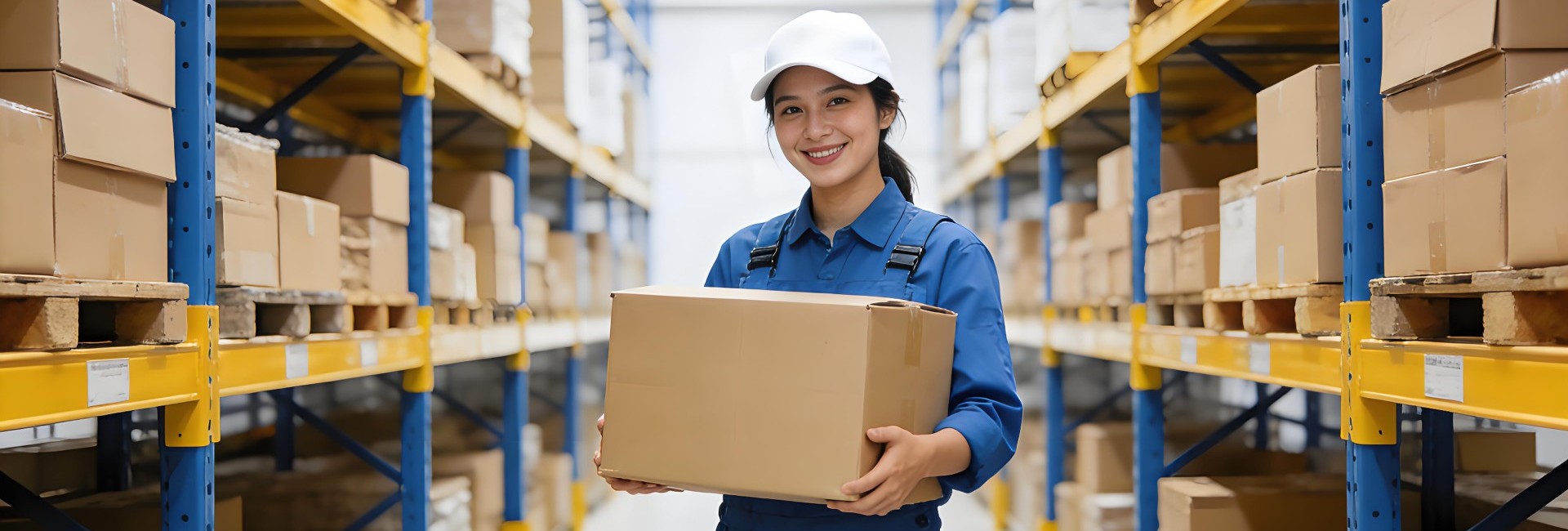
One of the most compelling advantages of rail - sea combined freight is its cost - effectiveness. Shipping goods by sea alone can sometimes be slow, and air freight is often prohibitively expensive. Rail - sea combined freight strikes a balance. For instance, in a study of shipping a container of consumer goods from China to Europe, the cost of rail - sea combined freight was found to be approximately 30% lower than air freight.
Let's say a company is shipping a large quantity of electronics from Shenzhen to Rotterdam. By using rail to transport the goods from Shenzhen to a port in China, and then shipping them by sea to Rotterdam, the overall cost is significantly reduced. This is because rail transport is generally more cost - efficient for long - distance overland travel, and sea freight is well - known for its economy when it comes to large - scale shipments.
In my opinion, this cost - saving aspect is a huge draw for businesses, especially those operating on tight budgets. It allows them to allocate their resources more effectively and remain competitive in the global market.
Rail - sea combined freight also offers improved efficiency and transit times. Compared to pure sea freight, which can take weeks or even months, rail - sea combined routes can cut down the transit time significantly. For example, a shipment from Shanghai to Hamburg via a rail - sea combined route can be completed in about 20 - 25 days, while a pure sea freight option might take 35 - 40 days.
The combination of rail and sea transport allows for a seamless transfer of goods. Rail can quickly move the cargo from inland locations to ports, and then sea vessels can carry the goods across the ocean. This reduces the time spent in transit and gets the products to the market faster.
I've seen firsthand how this efficiency can make a big difference for businesses. For companies dealing with perishable goods or time - sensitive products, the reduced transit time can mean the difference between success and failure. It enables them to meet customer demands in a timely manner and maintain a good reputation in the market.
In today's world, environmental concerns are at the forefront of many industries, and logistics is no exception. Rail - sea combined freight is a more environmentally friendly option compared to other modes of transport. Rail transport produces significantly less carbon emissions per ton - kilometer than road transport. And when combined with sea freight, which is also relatively low - carbon, the overall environmental impact is reduced.
According to research, rail - sea combined freight can reduce carbon emissions by up to 50% compared to road - only transport for long - distance shipments. This is a major advantage for companies looking to reduce their carbon footprint and meet sustainability goals.
As someone who is passionate about the environment, I believe that the environmental benefits of rail - sea combined freight are not to be underestimated. It's a step in the right direction for the logistics industry to become more sustainable.
Another great advantage of rail - sea combined freight is its flexibility and connectivity. It can reach a wide range of destinations, both inland and overseas. Rail networks can connect to major industrial areas and inland cities, while sea ports provide access to global markets.
For example, Shenzhen, a major industrial hub in China, is well - connected by rail to other parts of the country. Goods can be easily transported from Shenzhen to ports along the coast, and then shipped to destinations all over the world. This flexibility allows businesses to expand their reach and access new markets.
I think this flexibility is crucial for businesses that want to diversify their supply chains and explore new opportunities. It gives them the ability to adapt to changing market conditions and customer demands.
Let's take a look at a real - world example of rail - sea combined freight. A company in Shenzhen wants to ship a large quantity of furniture to Sydney, Australia. By using rail - sea combined freight, they first transport the furniture by rail from Shenzhen to a port in Shanghai. Then, the furniture is loaded onto a container ship and sent to Sydney.
The transit time is about 25 days, which is much faster than if they had used pure sea freight. The cost is also lower compared to air freight, making it a cost - effective option. The environmental impact is reduced as well, as the combination of rail and sea transport emits less carbon.
This case study shows how rail - sea combined freight can be a practical and beneficial solution for businesses. It offers a balance of cost, efficiency, and environmental friendliness.
In conclusion, rail - sea combined freight is a powerful tool in the logistics industry. Its cost - effectiveness, efficiency, environmental friendliness, flexibility, and connectivity make it an attractive option for businesses of all sizes. I'm really excited to see how this mode of transport will continue to develop and shape the future of global logistics.
If you're interested in exploring rail - sea combined freight or need more information about shipping to Australia, you can visit the official website of Shenzhen Aofei Freight Forwarding Co., Ltd. at https://www.aofeifreight.com, or call + 86 - 16676978829. They're a professional freight company that offers a one - stop logistics service, with special discounts for international students and overseas Chinese. You can track your shipment throughout the process, ensuring a safe and worry - free experience.