


I. Introduction
In 2026, indirect transshipment freight from China to Australia remains a popular choice for many small business owners, importers, and e - commerce sellers. However, it's fraught with potential pitfalls. I've seen numerous clients stumble over these issues, which can lead to delays, increased costs, and even lost goods. Let me share some insights from my years of hands - on experience in this field.
II. Common Pitfalls and Their Consequences
Documentation Errors In my experience, documentation errors are one of the most common issues. For example, incorrect HS codes can lead to misclassification of goods. I had a client back in 2024 who was an apparel importer shipping from Shanghai to Sydney. They mislabeled some of their clothing items with the wrong HS code. As a result, the Australian Border Force (ABF) held their shipment for further inspection. This inspection took roughly 14 days, during which the client incurred additional storage fees at the port.The new 2026 regulations have made the documentation requirements even more stringent. Any minor error can trigger a full - scale customs review, causing significant delays and adding to the overall cost of the shipment.
Carrier Reliability Choosing an unreliable carrier can be a disaster. One time, I worked with a 3C electronics seller sending goods from Shenzhen to Melbourne. They opted for a relatively unknown carrier to save a bit on costs. Unfortunately, the carrier had a series of operational problems, including over - booking and mechanical issues with their vessels. The shipment was delayed by over 20 days, which led to lost sales opportunities for the seller as they couldn't meet the demand in the Australian market on time.
Compliance with Biosecurity Regulations Australia has strict biosecurity regulations, and these have been tightened further in 2026. A home goods seller once shipped some wooden furniture from Guangzhou to Brisbane. They didn't properly treat the wood to meet the Department of Agriculture, Fisheries and Forestry (DAFF) requirements. The DAFF intercepted the shipment at Port Botany. The furniture had to be returned to China for proper treatment, incurring high return shipping costs and a substantial loss for the seller.
III. Key Tips to Avoid Pitfalls (In - Depth)
Get Documentation Right Understand HS Codes: Spend time researching the correct HS codes for your goods. You can use the official Australian customs website or consult with a customs broker. For example, if you're importing electronics, a detailed understanding of the different sub - categories within the electronics HS codes can prevent misclassification.Complete All Required Forms: Ensure that all forms, such as the Bill of Lading, Commercial Invoice, and Packing List, are filled out accurately. Include detailed descriptions of the goods, their origin, value, and quantity.
Verify Information Twice: Don't rush through the documentation process. Double - check all the information before submitting it to avoid any last - minute errors. A small mistake in a form can cause significant headaches later on.
Choose the Right Carrier Research Carrier Reputation: Look for carriers with a good track record in the industry. You can check online reviews, ask for references from other businesses, or look at industry reports. For example, carriers like Maersk and CMA CGM are well - known for their reliability, but there are also smaller carriers that specialize in certain routes and can offer good service.
Check Service Contracts: Carefully review the service contract with the carrier. Pay attention to terms related to transit time, liability for lost or damaged goods, and any additional fees. Make sure you understand all the fine print before signing.
Consider Insurance: It's a good idea to purchase insurance for your shipment. This can protect you in case of unforeseen circumstances such as carrier bankruptcy, natural disasters, or theft during transit.
Comply with Biosecurity Regulations Know the Restrictions: Familiarize yourself with the latest biosecurity regulations. For example, if you're importing food products, there are specific rules about additives, packaging, and pest control. Check the DAFF website regularly for updates.
Proper Treatment of Goods: If your goods require treatment, such as fumigation of wooden products, make sure you use a certified treatment provider. Keep all the treatment certificates with your shipping documents.
Be Transparent: When dealing with customs and biosecurity officials, be honest and transparent about the nature of your goods. Hiding information can lead to serious penalties.
IV. Other Minor Considerations
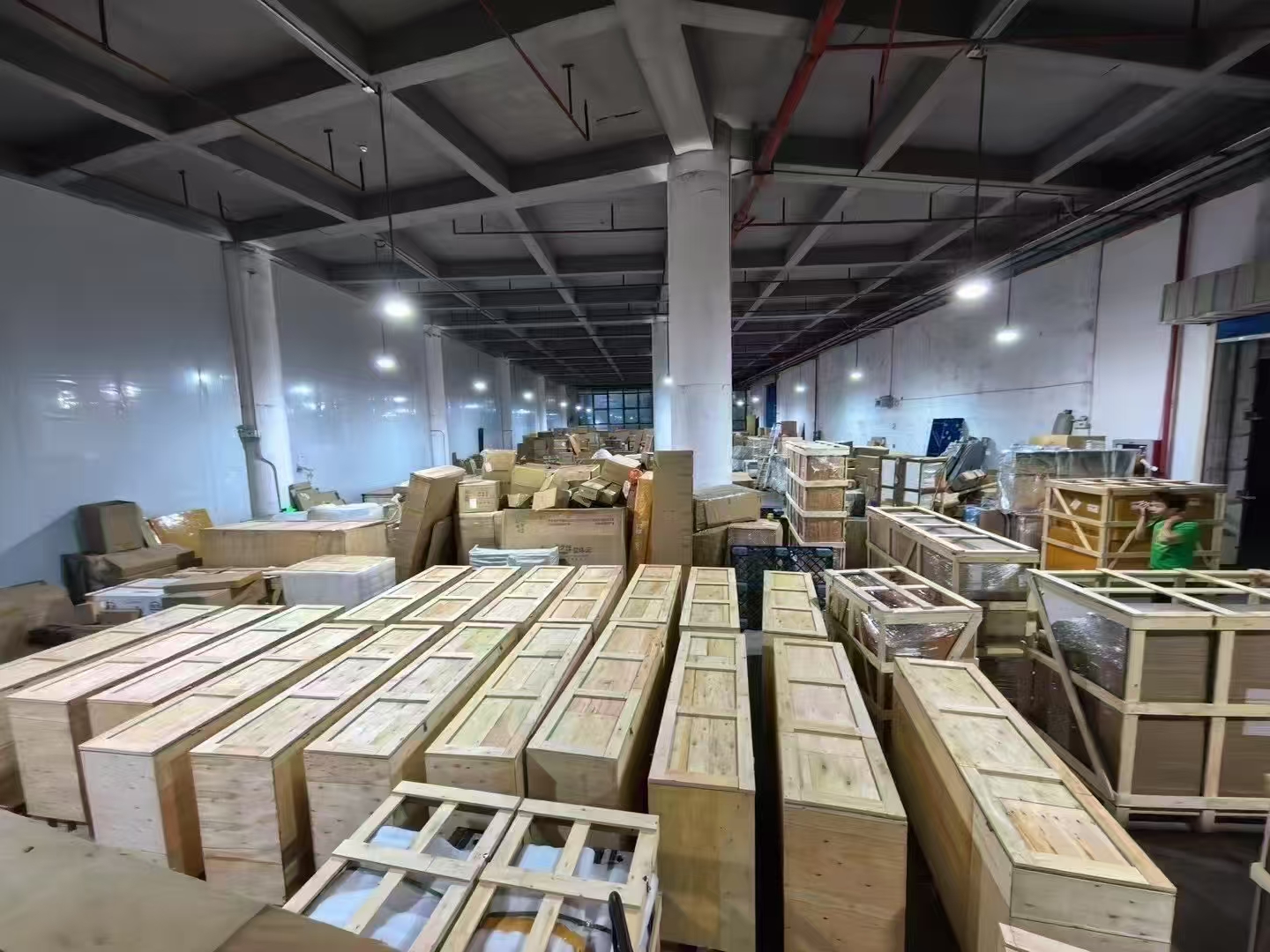
Warehousing and Storage If you're using a third - party warehouse during the transshipment process, choose a reliable one. Check its security measures, inventory management system, and location. A good warehouse can help you manage your goods more efficiently and reduce the risk of damage or loss.Communication with Partners Maintain clear and regular communication with all your partners in the supply chain, including suppliers in China, carriers, customs brokers, and warehouses in Australia. This can help you stay informed about the progress of your shipment and address any issues promptly.
V. FAQ
How can I find a reliable customs broker? You can start by asking for recommendations from other business owners in your industry. Check online directories and look for brokers with a good reputation and positive reviews. Also, make sure the broker is licensed by the relevant Australian authorities. For example, at [公司名]深圳奥飞货运代理有限公司, we have a team of experienced customs brokers who can handle all your customs - related needs.What should I do if my shipment is delayed at customs? First, don't panic. Contact your customs broker or the shipping carrier to understand the reason for the delay. If it's due to documentation issues, work quickly to provide the correct information. If it's a biosecurity issue, cooperate fully with the DAFF's requirements. At [公司简称]奥飞国际物流, we have a dedicated team to handle such situations and will keep you informed throughout the process.
How much does cargo insurance typically cost? The cost of cargo insurance varies depending on the value of the goods, the type of goods, the shipping route, and the level of coverage. On average, it can range from 0.1% to 1% of the value of the goods. You can get quotes from different insurance providers to find the best deal.
Can I ship sensitive goods through indirect transshipment? Yes, you can, but it's more complicated. Sensitive goods such as cosmetics, liquids, and powders need to comply with strict regulations. For example, at [公司简称]奥飞国际物流, we can assist you in shipping these sensitive goods by providing guidance on compliance and proper documentation. Our sensitive - goods handling process ensures a high - clearance rate.
What if my goods are damaged during transit? If you have purchased cargo insurance, you should file a claim with the insurance company as soon as possible. Provide all the necessary documentation, such as photos of the damaged goods, the bill of lading, and the commercial invoice. At [公司简称]奥飞国际物流, we have a comprehensive after - sales service. In case of damage, we will help you with the claim process to ensure a smooth and efficient resolution.
In the complex world of indirect transshipment freight from China to Australia in 2026, being well - informed and taking proactive steps can save you a lot of trouble. By following these tips, you can navigate the process more smoothly and focus on growing your business.