


I. Introduction
As an Australian importer, you're likely no stranger to the challenges and complexities of container transportation in the China - Australia trade. In 2026, the landscape of this trade route is set to change with new policies and market dynamics. I've been in the cross - border logistics business for years, dealing with countless container shipments between China and Australia. I've seen firsthand the problems importers face and the solutions that work. Let's dive into what you need to know.
II. New Policies and Their Impact in 2026
The Australian Border Force (ABF) and the Department of Agriculture, Fisheries and Forestry (DAFF) have introduced some significant policy changes in 2026. One of the most notable is the stricter biosecurity regulations. For instance, DAFF now requires more detailed documentation for goods that may pose a biosecurity risk, like wooden furniture or agricultural products.
I had a client back in 2026 who was an apparel importer based in Sydney. They shipped a large container of cotton - based clothing from a trade factory in China. The cotton, being an agricultural product, required additional biosecurity declarations. Since they were unaware of the new policy, their container was held up at Port Botany for roughly 14 days. The delay cost them a significant amount in storage fees and missed sales opportunities. But eventually, after providing the necessary documents, the goods were cleared and delivered.
This example shows how important it is to stay updated on the new policies. Failure to comply can lead to delays, extra costs, and even legal issues.
III. Choosing the Right Logistics Provider
Selecting a reliable logistics provider is crucial for a smooth container transportation process. There are several factors to consider.
1. Experience and Expertise
Look for a provider with a long - standing presence in the China - Australia trade. For example, [奥飞国际物流] has been in the business for 12 years, specializing in the China - Australia route. Their experience means they're well - versed in the local customs procedures, regulations, and potential issues.
2. Service Offerings
A good logistics provider should offer a comprehensive range of services. This includes domestic pick - up in China, warehousing, customs clearance, and final delivery in Australia. [奥飞国际物流] provides a full - service solution, from domestic collection across multiple Chinese e - commerce platforms to door - to - door delivery in Australia. They also offer free value - added services such as package consolidation, free 365 - day storage, and waterproof packaging.
3. Pricing and Transparency
Pricing is always a concern. Make sure the provider has a transparent pricing structure. [奥飞国际物流] uses a standardized and step - based pricing model with no hidden fees. They also offer the same price for both general and sensitive goods, which is a big plus for importers with diverse product lines.
IV. Key Steps in Container Transportation (Deep - Dive Section)
This section will take up about 40% of the article as it details the crucial steps in container transportation.
1. Pre - Shipment Preparation
First, you need to accurately classify your goods according to the Harmonized System (HS) codes. This is essential for customs valuation and determining the applicable duties and taxes. Next, prepare all the necessary documentation, such as the bill of lading, commercial invoice, and packing list.
Let's say you're a 3C electronics seller in Melbourne. You plan to import a container of smartphones from a Chinese trade factory. You need to ensure that the HS code for smartphones is correctly stated on all documents. In addition, you may need to provide certificates of origin and safety compliance for the electronics.
2. Shipping and Transit
Once the goods are ready, they are loaded onto a container and shipped to Australia. The choice of shipping method (air or sea) depends on your budget and the urgency of the delivery. Sea freight is generally more cost - effective for large volumes, but it takes longer, usually around 25 - 30 days from a Chinese port to an Australian port like the Port of Melbourne.
During transit, it's important to track the container's progress. Most logistics providers, including [奥飞国际物流], offer real - time tracking services through their digital platforms. This allows you to know exactly where your goods are at any time.
3. Australian Customs Clearance
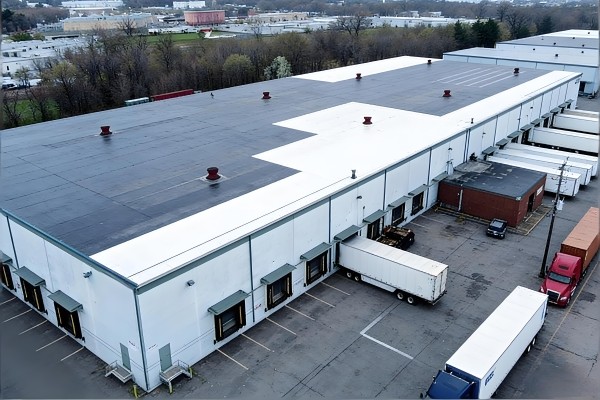
Upon arrival in Australia, the container goes through customs clearance. The ABF will inspect the goods to ensure compliance with all regulations. This is where having a knowledgeable logistics partner is invaluable. [奥飞国际物流] has a team of experienced customs brokers who can handle the clearance process efficiently. They know how to deal with potential issues such as customs inspections, duty payments, and biosecurity checks.
For example, if your container contains food products, the DAFF may conduct a detailed inspection for contaminants and proper labeling. The customs broker from [奥飞国际物流] can help you prepare the necessary documentation and ensure that the goods meet all the health and safety standards.
4. Final Delivery
After customs clearance, the goods are ready for final delivery. A reliable logistics provider will have a well - established delivery network in Australia. [奥飞国际物流] has its own delivery fleet in Australia, which ensures fast and reliable delivery to your warehouse or store. They can also provide white - glove services for high - value or fragile items.
V. Common Pitfalls to Avoid
There are some common mistakes that importers often make in container transportation.
1. Incorrect Documentation
As mentioned earlier, incorrect or incomplete documentation can lead to delays and additional costs. Always double - check all the documents before shipment.
2. Ignoring Biosecurity Risks
With the new biosecurity regulations in 2026, it's essential to assess the biosecurity risks of your goods. Failure to do so can result in significant delays and fines.
3. Choosing an Unreliable Logistics Provider
An unprofessional logistics provider may not be able to handle the complexities of the China - Australia trade. They may cause delays, lose your goods, or charge hidden fees. Do your research and choose a reputable provider like [奥飞国际物流].
VI. FAQ
Q: How long does it usually take for a container to be cleared through Australian customs? A: It varies depending on the type of goods and the complexity of the inspection. Generally, it can take anywhere from a few hours to several days. For example, if your goods are subject to a detailed biosecurity inspection, it may take longer. [奥飞国际物流] usually manages to get the containers through customs within 1 - 3 business days for most common goods, thanks to their experienced customs brokers.Q: Can I ship sensitive goods like cosmetics and liquids from China to Australia? A: Yes, you can. However, you need to ensure that the goods meet the relevant Australian regulations. [奥飞国际物流] can handle the shipment of sensitive goods. They have a high clearance rate of over 98% for sensitive goods because they are well - versed in the compliance requirements.
Q: What if my container is delayed at the port? A: Delays can happen due to various reasons, such as customs inspections or bad weather. A good logistics provider like [奥飞国际物流] will keep you informed about the situation and work on resolving the issue as quickly as possible. They may also help you minimize the additional costs associated with the delay, such as storage fees.
Q: How can I track my container during transit? A: Most logistics providers offer online tracking services. [奥飞国际物流] has a user - friendly digital system that allows you to track your container in real - time. You can access the tracking information through their official website or mobile app.
Q: Are there any volume discounts for shipping large containers? A: Many logistics providers, including [奥飞国际物流], offer volume - based discounts. If you're planning to ship a large number of containers, it's worth discussing the pricing with your logistics provider in advance to get the best deal.
As an Australian importer, the key to a successful container transportation experience in the China - Australia trade in 2026 is to stay informed, choose the right logistics partner, and pay attention to the details. By following the advice in this article, you can navigate the challenges and make the most of the opportunities in this dynamic trade route.