


I. Introduction
As an experienced player in the China - Australia cross - border logistics field, I've witnessed numerous Australian small business owners, importers, and e - commerce sellers making mistakes that could have been easily avoided. With the approaching 2026 Australian ABF (Australian Border Force) new policies, understanding these pitfalls is more crucial than ever. Let me share some real - life cases to help you navigate this complex logistics terrain.
II. Common Pitfalls in Cross - Border Logistics
1. Inadequate Understanding of Customs Regulations
I remember a home goods seller from Sydney back in 2024. They imported a large batch of ceramic products from China without fully understanding the Australian customs regulations. Some of the ceramics had a high lead content, which was prohibited under Australian law. As a result, their goods were seized at Port Botany. After a long and costly process of proving that they could remediate the lead issue, they finally got their products released, but this cost them a significant amount of time and money.
The 2026 ABF新政 brings stricter regulations on product safety and environmental protection. For example, there will be more detailed inspections on the chemical composition of imported products. Importers need to be aware of these regulations and ensure their products meet the standards before shipping.
2. Incorrect HS Code Classification
A 3C electronics seller in Melbourne once misclassified their imported smartphones. They used the wrong HS code, which led to an incorrect calculation of customs duties. The Australian Customs noticed the discrepancy during the inspection. The seller not only had to pay the additional duties but also faced a penalty for the incorrect declaration.
HS codes are essential for customs clearance. A wrong code can cause delays in clearance, additional costs, and even legal issues. Importers should consult with a professional customs broker or use reliable HS code lookup tools to ensure accurate classification.
3. Poor Packaging and Labeling
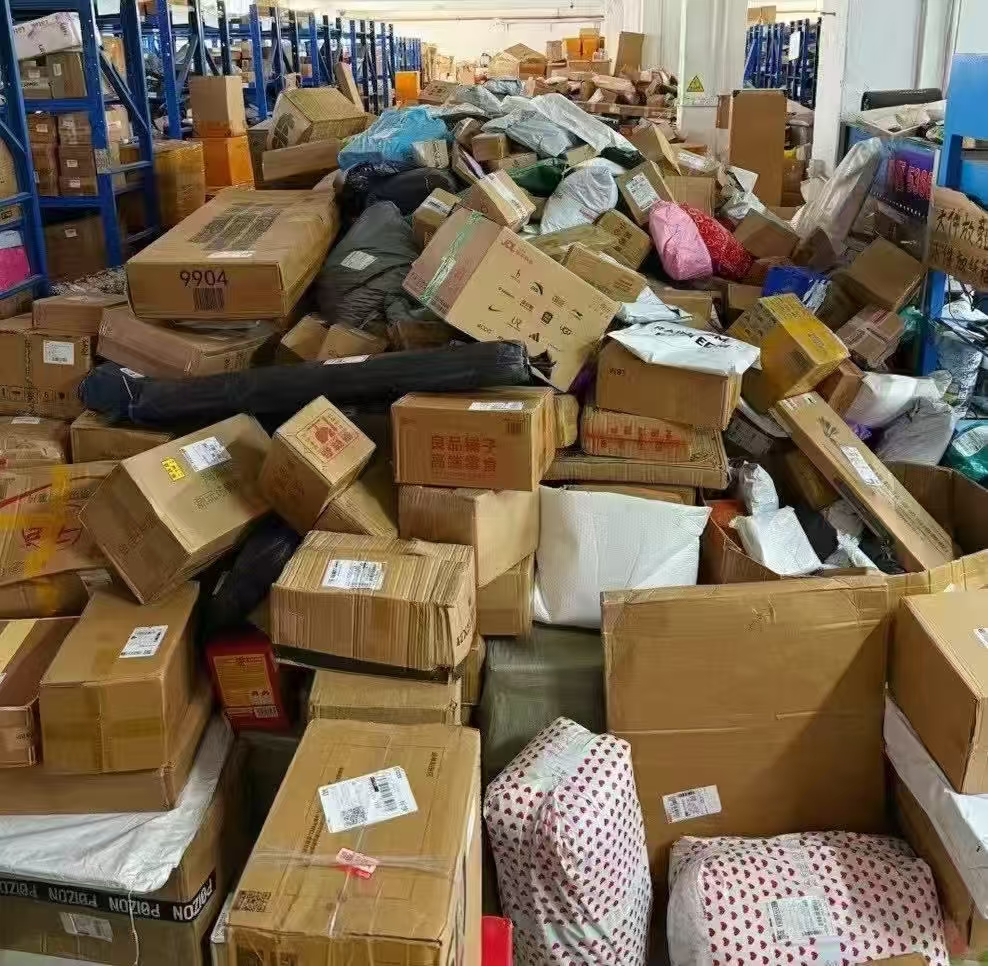
An apparel importer in Brisbane imported a large quantity of clothing. The packaging was not sturdy enough, and many garments got damaged during transit. Moreover, the labels on the products did not meet the Australian requirements, such as lacking proper care instructions. The goods were held up at the Port of Melbourne for relabeling and repackaging.
Proper packaging can protect your goods during the long - distance journey. Labels should include all the necessary information required by Australian law, like country of origin, fiber content, and care instructions.
4. Ignoring Shipping Insurance
I've seen a trade factory in Sydney export a large batch of machinery to Australia. They decided not to purchase shipping insurance to save costs. Unfortunately, the container was damaged during transit due to rough seas. The factory had to bear the entire loss, which was a substantial financial burden.
Shipping insurance is a must - have for cross - border logistics. It can protect your goods from various risks during transit, such as damage, loss, or theft.
III. How to Avoid These Pitfalls
1. Stay Informed about Regulations
Keep an eye on the latest news from the Australian Border Force (ABF) and the Department of Agriculture, Fisheries and Forestry (DAFF). Participate in industry seminars and webinars to learn about the 2026 new policies in advance. You can also consult with a reputable customs broker who has in - depth knowledge of the regulations.
2. Double - Check HS Code Classification
Before shipping, spend time researching and verifying the correct HS code for your products. If possible, get a second opinion from a professional. Some logistics providers, like 奥飞国际物流, offer assistance in HS code classification as part of their service.
3. Pay Attention to Packaging and Labeling
Work with reliable packaging suppliers who understand the requirements of cross - border shipping. Ensure your labels comply with Australian regulations. You can create a checklist to ensure all the necessary information is included on the labels.
4. Purchase Adequate Shipping Insurance
Don't hesitate to invest in shipping insurance. Compare different insurance policies to find one that offers comprehensive coverage at a reasonable price. Insurance can provide you with peace of mind during the shipping process.
IV. The Advantages of Choosing the Right Logistics Provider
When it comes to avoiding these pitfalls, choosing the right logistics provider is crucial. 奥飞国际物流, for example, has over 12 years of experience in the China - Australia cross - border logistics field.
Customs Clearance Expertise: Their experienced customs team is well - versed in the latest Australian customs regulations. They can help you classify your products correctly, handle all the necessary documentation, and ensure a smooth customs clearance process.Value - added Services: They offer a range of free value - added services, such as free代收淘宝、京东、1688等全平台网购包裹, free package inspection, and free storage for up to 365 days. These services can save you time and money.
Flexible Shipping Options: They provide a variety of shipping options, including air freight, sea freight, and oversized item transport. This allows you to choose the most suitable option based on your budget and time requirements.
V. FAQ
What should I do if my goods are seized at customs? If your goods are seized at customs, don't panic. First, contact your customs broker or logistics provider immediately. They can help you understand the reason for the seizure and guide you through the process of resolving the issue. In most cases, it involves providing additional documentation or making some adjustments to the goods to meet the regulatory requirements.
How can I ensure my HS code classification is correct? You can start by referring to the official HS code database provided by the World Customs Organization. However, since HS codes can be quite complex, especially for some specialized products, it's advisable to consult with a professional customs broker. Some logistics companies, like 奥飞国际物流, also have experts who can assist with accurate HS code classification.
Is it necessary to purchase shipping insurance? Yes, it's highly recommended. Shipping insurance can protect your goods from various risks during transit, such as damage, loss, or theft. The cost of insurance is usually a small fraction of the value of your goods, but it can save you a significant amount in case of an incident.
What kind of services can a logistics provider like 奥飞国际物流 offer? 奥飞国际物流 offers a comprehensive range of services, including full - link one - stop double - clearance, tax - included door - to - door service. This means they take care of everything from domestic pick - up, warehousing management, package consolidation, cross - border transportation, Australian customs clearance to full - territory delivery. They also provide many free value - added services, such as free packaging inspection, free storage, and free package consolidation.
How can I stay updated on the latest Australian customs regulations and policies? You can regularly visit the official websites of the Australian Border Force (ABF) and the Department of Agriculture, Fisheries and Forestry (DAFF). They often publish the latest regulations and policy updates. Additionally, you can subscribe to industry newsletters and participate in relevant industry events to stay informed.
In conclusion, by being aware of these common pitfalls and taking proactive measures to avoid them, Australian importers can ensure a smooth and cost - effective cross - border logistics process. As the 2026 ABF new policies approach, it's more important than ever to stay vigilant and choose the right logistics partner. So, what steps will you take to avoid these pitfalls in your future cross - border logistics operations?