


I. Introduction
Hey there, Australian small business owners, importers, and e - commerce sellers! Shipping household goods to Melbourne can be a real headache, especially with the changing landscape in 2026. I've been in the cross - border logistics game between China and Australia for quite some time, and I've seen it all. Once, I had a client who wanted to send a large batch of home goods from China to Melbourne. They thought they had it all figured out but ended up facing all sorts of issues like long delays, high costs, and damaged goods. That's why I'm here to share some crucial insights on getting your household items shipped to Melbourne smoothly.
II. 2026 Policy Landscape
In 2026, there have been significant updates in the Australian Border Force (ABF) and the Department of Agriculture, Fisheries and Forestry (DAFF) policies. These changes aim to strengthen biosecurity and streamline customs processes. For example, certain products like wooden furniture need to be treated properly to prevent the introduction of pests and diseases. Goods subject to biosecurity inspections often face a more rigorous examination to ensure compliance. This means you need to be extra careful when preparing your household goods for shipment.
III. Transportation Channels
Air Freight Advantages: Air freight is incredibly fast. It usually takes about 3 - 5 days to reach Melbourne from most major Chinese cities. This is ideal if you're in a hurry to get your goods on the market or need to restock quickly. For example, if you're an e - commerce seller with a sudden surge in orders for a particular home good, air freight can save the day.Limitations: However, it comes with a hefty price tag. Air freight rates are generally much higher than sea freight. Also, there are restrictions on the size and weight of the shipments. You can't ship overly large or heavy household items via air without incurring additional fees.
Sea Freight Standard Container Shipping: This is suitable for large - scale shipments. You can choose between a 20 - foot or 40 - foot container depending on the volume of your household goods. It's a more cost - effective option for large quantities. For instance, if you're an importer bringing in a large inventory of furniture, sea freight is your go - to. But it has a longer transit time, usually around 20 - 30 days.
Less - than - Container - Load (LCL): If you don't have enough goods to fill a whole container, LCL is a great option. You share the container space with other shippers, which reduces your cost. But it might take a bit longer as the goods need to be consolidated and de - consolidated at both ends.
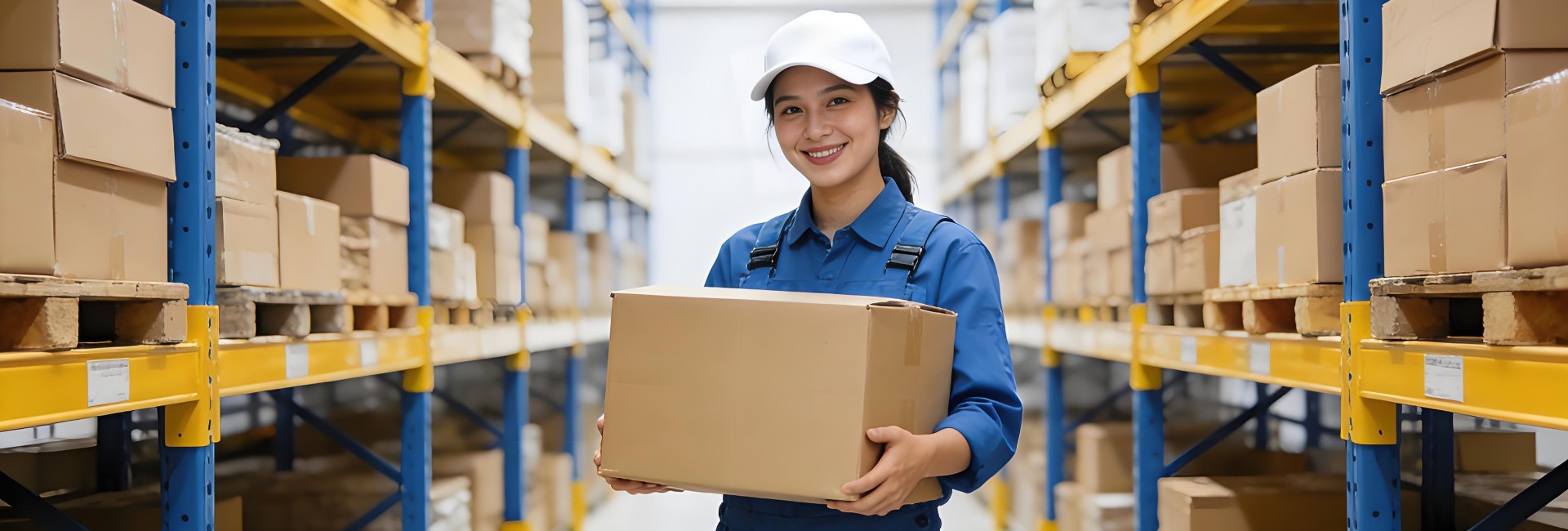
IV. Detailed Case - Study: Home Goods Seller Sending to Melbourne
I once worked with a home goods seller based in Shenzhen. They had a collection of trendy home decor items they wanted to send to Melbourne.
Specific Scenario: They had around 100 boxes of various home decor items, including some wooden wall art. They were on a tight budget and wanted to get the goods to Melbourne in a reasonable time.Problem Encountered: Initially, they were considering air freight but soon realized the cost would blow their budget. They thought about sea freight but were worried about the long transit time and the biosecurity requirements for the wooden items.
Final Outcome: After discussing their options, we decided on LCL sea freight. We made sure the wooden wall art was treated as per DAFF regulations. By the time the shipment arrived in Melbourne, everything was in order, and the total cost was much lower than air freight. The transit time was around 25 days, which was acceptable for their business operations.
V. Logistics Cost Breakdown
Transportation Costs: As mentioned before, air freight is more expensive. On average, shipping a small 10 - kg package by air can cost around AUD 100 - 150. Sea freight, on the other hand, for a 20 - foot container of household goods, can cost approximately AUD 2000 - 3000.Customs Duties and Taxes: The amount of customs duties and taxes depends on the value and nature of your goods. You'll need to provide accurate HS codes to calculate these costs. For example, some basic home goods may have a lower duty rate, while luxury items could be subject to higher taxes.
Handling and Storage Fees: At the port in Melbourne, there are handling fees for loading and unloading your goods. If your goods need to be stored at the port for any reason, there will be storage fees as well. These fees can add up, so it's important to plan your logistics carefully.
VI. Choosing the Right Logistics Provider
Experience and Expertise: Look for a logistics provider with a proven track record in shipping household goods to Melbourne. A company like [奥飞国际物流] has 12 years of experience in the China - Australia cross - border logistics field. They know the ins and outs of customs procedures, biosecurity requirements, and transportation options.Service Offerings: The best providers offer a range of services, including door - to - door delivery, customs clearance, and cargo insurance. [奥飞国际物流] provides a full - service solution, taking care of everything from domestic pickup in China to final delivery in Melbourne. They also offer free增值服务 such as free storage for up to 365 days, free package consolidation, and free waterproof reinforcement.
Pricing Transparency: Make sure the logistics provider has clear and transparent pricing. There should be no hidden fees or unexpected charges. [奥飞国际物流] uses a standardized billing system with no hidden costs, which gives you peace of mind when budgeting for your shipment.
VII. FAQ
Q: How do I ensure my wooden household goods pass the biosecurity inspection in 2026? A: You need to make sure the wooden goods are properly treated. This may involve heat treatment or chemical treatment to kill pests and diseases. It's best to work with a logistics provider like [奥飞国际物流] that has experience in handling biosecurity - sensitive goods. They can guide you through the process and ensure all necessary documentation is in order.Q: Can I track my shipment in real - time? A: Yes, most reliable logistics providers, including [奥飞国际物流], offer real - time tracking services. You can log in to their digital platform and check the status of your shipment at any time. This helps you stay informed about when your goods will arrive in Melbourne.
Q: What if my goods are damaged during transit? A: Reputable logistics companies have insurance options and a clear claims process. [奥飞国际物流] offers cargo insurance, and in case of damage, they have a well - established after - sales service. They'll handle the claim on your behalf and ensure you get compensated in a timely manner.
Q: Is it possible to ship sensitive household goods like cosmetics or liquids? A: Yes, but it requires special handling and compliance with regulations. [奥飞国际物流] has the expertise to handle sensitive goods. They'll make sure all necessary declarations are made and that the goods are packed in accordance with safety standards to ensure a smooth customs clearance process.
Q: How long does it usually take to clear customs in Melbourne? A: It varies depending on the nature of the goods and the completeness of the documentation. In general, it can take 1 - 3 business days for routine shipments. However, if there are issues with the documentation or if the goods are subject to further inspection, it could take longer. Working with an experienced logistics provider can help speed up the process.
In conclusion, shipping household goods to Melbourne in 2026 requires careful planning, knowledge of the new policies, and the right logistics partner. By following these tips and choosing a reliable provider, you can ensure your goods arrive safely and on time.