


I. Introduction
Hey there, Australian small business owners, importers, and e - commerce sellers! Door - to - door sea freight from China to Australia can be a game - changer for your business. But it's not without its hurdles. I've seen many folks fall into common traps over my years in the cross - border logistics biz. In 2026, with new policies and trends in play, it's crucial to steer clear of these pitfalls.
A few years back, I had a client, a home goods seller in Sydney, who was really excited about expanding his product range from China. He didn't pay much attention to the details of his sea freight deal and ended up facing a mountain of problems. From unexpected fees to long delays, it was a nightmare. But don't worry, I'm here to share my knowledge so you can avoid similar situations.
II. New Policies and Regulations in 2026
In 2026, the Australian Border Force (ABF) and the Department of Agriculture, Fisheries and Forestry (DAFF) have rolled out some new rules. One big change is the stricter bio - security regulations. They've enhanced inspections to prevent the entry of invasive pests and diseases. So, if you're importing products like wooden furniture or items with natural fibres, you need to make sure they meet the new standards.
Another aspect is the updated customs valuation rules. The ABF is cracking down on under - valuation to ensure fair taxation. You must provide accurate details about the value of your goods, including the cost, freight, and insurance (CIF). Trying to under - value your shipment can lead to hefty fines and long - term trouble with customs.
III. In - Depth: Common Pitfalls and How to Avoid Them
1. Incorrect Documentation
Problem Encountered: This is a huge pain point. I remember a 3C electronics seller in Melbourne who rushed through the documentation process. They didn't provide the correct HS codes for their products, and the certificate of origin was also inaccurate. As a result, their shipment got held up at Port of Melbourne for weeks.Solution: Take your time to understand what documents are required. For each product, find the correct HS code. It's like a barcode for international trade. You can use online databases or consult with a customs broker. Also, always double - check the certificate of origin and make sure it's issued by the right authority.
2. Hidden Fees
Problem Encountered: A lot of shippers don't read the fine print. I had a client who was quoted a really low price for sea freight. But when the shipment arrived, they were hit with a long list of hidden fees, such as terminal handling charges, fuel surcharges, and demurrage fees.Solution: Before you sign any contract, ask for a detailed breakdown of all possible fees. Make sure the quote is inclusive of all costs or at least clearly outline what's not covered. If you're working with a freight forwarder, ask them to explain each fee in plain English.
3. Inadequate Packaging
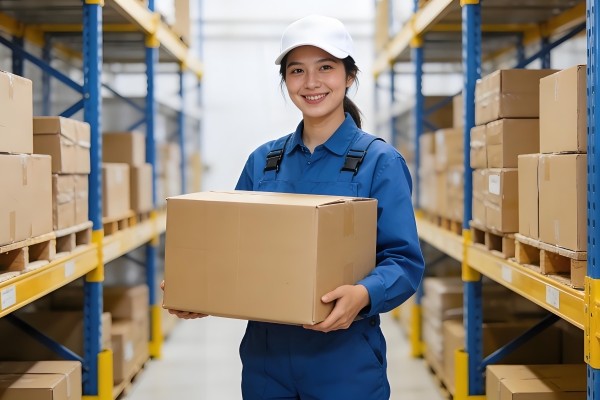
Problem Encountered: I once handled a shipment of apparel for an importer in Brisbane. The packaging was so poor that many of the clothes got damaged during the long sea journey. The buyer had to refuse a large part of the shipment, leading to a significant loss for the importer.Solution: Invest in good - quality packaging. For fragile items, use extra padding and shock - absorbing materials. If you're shipping in bulk, consider using pallets or containers to protect your goods. Also, label your packages clearly with handling instructions.
4. Lack of Insurance
Problem Encountered: A trade factory in Sydney shipped a large consignment of goods without insurance. During the journey, the ship encountered a storm, and a significant portion of the goods was lost. The factory had to bear the entire loss, which almost put them out of business.Solution: Get insurance for your shipments. It gives you peace of mind. Although it adds a little bit to the cost, it can save you from huge financial losses in case of an accident, theft, or damage.
IV. Choosing the Right Freight Forwarder
Selecting a reliable freight forwarder is like finding a good business partner. Look for ones with experience in the China - Australia route. Check their track record, customer reviews, and ask for references.
Companies like [奥飞国际物流] have been in the business for over 12 years, focusing specifically on the China - Australia cross - border logistics. They offer full - service door - to - door solutions, including domestic pick - up in China, warehousing, consolidation, ocean shipping, Australian customs clearance, and final delivery. They also provide various free value - added services, such as free inspection of packages, up to 365 days of free storage, and free repackaging.
In contrast, some general freight forwarders may not have the same level of expertise in this specific route, and they might not offer as many value - added services.
V. Cost Breakdown
Here's a rough estimate of the costs involved in door - to - door sea freight from China to Australia:
| Cost Item | Description | Estimate |
|---|---|---|
| Freight Charge | Cost of shipping the goods from China to the Australian port | Varies based on volume and weight |
| Customs Duties and Taxes | Imposed by the Australian government | Depends on the value and type of goods |
| Terminal Handling Charges | Fees for handling the cargo at the port | Around $200 - $500 per container |
| Delivery Charge | Cost of transporting the goods from the port to your door | Varies based on distance |
VI. FAQ
What are the typical transit times for sea freight from China to Australia? Well, it usually takes around 18 - 25 days, but this can vary. It depends on factors like the departure port in China, the destination port in Australia, and any potential delays due to bad weather or port congestion.
Can I ship sensitive goods like cosmetics and liquids? Yes, you can. But you need to work with a freight forwarder who knows how to handle these items properly. For example, [奥飞国际物流] has experience in shipping sensitive goods. They'll ensure that all the necessary regulations and packing requirements are met to ensure a smooth customs clearance.
What if my shipment is delayed? How can I deal with it? It's always good to have a contingency plan. If there's a delay, the first thing to do is to communicate with your freight forwarder. They should be able to give you an update on the situation. If it's a significant delay and it affects your business operations, you may need to re - arrange your inventory or communicate with your customers.
Do I need to be present during the customs clearance process? No, you don't have to be physically present. That's where a good freight forwarder comes in handy. They can handle all the customs paperwork and procedures on your behalf. Just make sure you provide them with all the accurate information they need.
How can I track my shipment? Most freight forwarders, including [奥飞国际物流], use digital systems. You'll usually get a tracking number, and you can check the status of your shipment on their website. This gives you real - time information about the location and estimated arrival time of your goods.