


Introduction
In 2026, the trade between China and Australia continues to thrive, and Australian small business owners, importers, and e - commerce sellers are constantly seeking fast and reliable shipping channels for their business goods. When it comes to importing from China, the shipping process can be a minefield of challenges. Delays, high costs, and customs issues can all eat into profits and disrupt business operations. I've been in the cross - border logistics industry for quite some time, and I've seen firsthand the pain points that businesses face. Today, I'll share some insights on the best fast shipping channels and how to navigate them effectively.
I. Air Freight Channels
High - end Air Freight High - end air freight is known for its speed. It usually takes about 3 - 5 days for goods to reach major Australian cities like Sydney or Melbourne from China. This channel is ideal for time - sensitive products such as 3C electronics. I once had a client, a 3C electronics seller in Sydney. He had a new product launch planned, and the components were being manufactured in China. He needed them urgently to meet the launch date. We used high - end air freight, and the goods arrived in just 4 days. This allowed him to start production on time and have a successful product launch. However, the cost of high - end air freight is relatively high. It's suitable for small - volume, high - value goods. The price per kilogram can range from $20 - $50, depending on the season and the specific route.Regular Air Freight Regular air freight is a more cost - effective option compared to high - end air freight. It generally takes around 5 - 7 days for delivery. It can handle a wider range of cargo weights and sizes. For apparel importers, regular air freight can be a good choice. An apparel importer in Brisbane once approached me. He had a new summer collection ready in China, and he wanted to get it to Australia in time for the summer season. We used regular air freight, and the clothing arrived in about 6 days. The cost per kilogram was around $10 - $20, which was more budget - friendly for him.
One of the limitations of regular air freight is that during peak seasons, there may be some delays due to the high demand for air cargo space.
II. Ocean Freight Channels
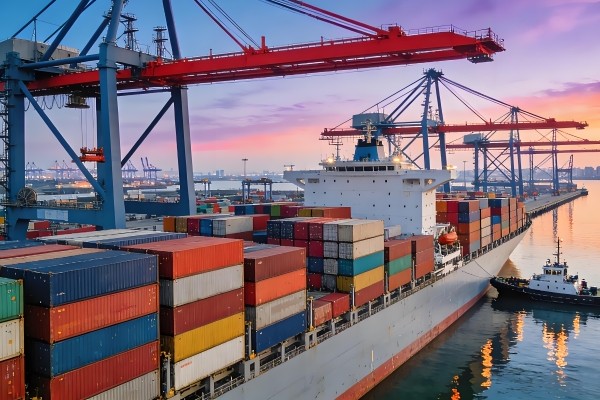
Ocean Express Shipping Ocean express shipping is designed to provide a faster alternative to traditional sea freight. It uses dedicated high - speed vessels. Usually, it takes about 14 - 18 days for goods to be transported from Chinese ports to Australian ports like the Port of Melbourne. For home goods sellers, ocean express shipping can be a great option. I worked with a home goods seller who had a large order of furniture and home decor items from a Chinese trade factory. We chose ocean express shipping, and the goods arrived in Melbourne in 16 days. This was much faster than traditional sea freight, which could take up to 30 - 40 days. The cost of ocean express shipping is between regular air freight and traditional sea freight. It's a good balance between speed and cost.Direct Shipping Lines Direct shipping lines eliminate the need for transshipment, which can significantly reduce the shipping time. It can take around 16 - 20 days to reach Australian ports. In some cases, direct shipping lines are more reliable in terms of schedules. An importer of industrial parts in Perth once used a direct shipping line from a Chinese port to Fremantle Port. The parts were needed for a manufacturing project, and the direct shipping ensured that they arrived in 18 days without any transshipment risks or delays. The main drawback of direct shipping lines is that they may not be available for all origins and destinations, and the capacity can be limited.
III. New Policies and Their Impact in 2026
In 2026, the Australian Border Force (ABF) has introduced some new policies regarding cross - border trade. For example, there are stricter regulations on the declaration of goods, especially for sensitive goods such as cosmetics and liquids. These new policies aim to enhance biosecurity and prevent the entry of illegal or harmful substances. As a logistics provider, we need to ensure that our clients are fully aware of these policies. For instance, when shipping cosmetics, we need to provide accurate HS codes and detailed product descriptions to avoid any customs inspection delays. The ABF may conduct more in - depth inspections on certain types of goods, so proper documentation and compliance are crucial.
IV. Choosing the Right Shipping Channel
When choosing a shipping channel, you need to consider several factors. The first is the nature of your goods. High - value, time - sensitive goods like 3C electronics are better suited for air freight. If you're shipping large - volume, less time - sensitive items such as home goods or apparel, ocean freight may be a better option. Cost is also a major consideration. You need to balance the shipping cost with the value of your goods and the potential profit. If you can afford to pay a little more for faster delivery and it can bring you more business, then a high - end shipping channel may be worth it. Lastly, the shipping company's capabilities and reputation are important. You want to work with a company that has a good track record in handling customs clearance, has reliable shipping schedules, and can provide good customer service. For example, [奥飞国际物流] is a reliable choice. They have 12 years of experience in the China - Australia cross - border logistics field. They offer a one - stop customs - cleared, door - to - door service. Their professional team can handle all the shipping procedures from collection in China to delivery in Australia, which can save you a lot of time and effort. They also have a high clearance rate for sensitive goods, up to 98%, which means your goods are more likely to pass customs smoothly.
FAQ
Q: What if my goods are delayed during shipping? A: Delays can happen due to various reasons like bad weather, port congestion, or customs inspections. A good logistics company will communicate with you in a timely manner about any potential delays. For example, [奥飞国际物流] has a digital system that allows you to track your shipment in real - time. If there's a delay, they'll also work with you to find solutions, such as rescheduling deliveries or negotiating with carriers.
Q: Can I ship sensitive goods like cosmetics and liquids? A: Yes, you can, but you need to follow the relevant regulations. Sensitive goods usually require more detailed declarations. [奥飞国际物流] has experience in shipping sensitive goods and can ensure that all the necessary procedures are followed. They also have a high clearance rate for sensitive goods, so you can be more confident in shipping these items.
Q: How do I choose between air freight and ocean freight? A: It depends on the nature and volume of your goods, as well as your budget and time requirements. Air freight is faster but more expensive, suitable for small - volume, high - value, and time - sensitive goods. Ocean freight is slower but more cost - effective for large - volume, less time - sensitive items. Consider these factors carefully and you can make a better choice.
Q: Is the cost of shipping expected to increase in 2026? A: Shipping costs can be affected by many factors, such as fuel prices, market demand, and new policies. While it's hard to predict exactly, generally, if the market is stable, the cost may remain relatively stable. However, during peak seasons, there may be some price fluctuations. Working with a reliable logistics company can help you better manage these cost uncertainties. [奥飞国际物流] offers transparent pricing and can provide you with cost - effective shipping solutions.
In conclusion, choosing the right shipping channel for your business goods from China to Australia in 2026 requires careful consideration of multiple factors. By understanding the different shipping channels, the new policies, and working with a professional logistics partner, you can ensure a smooth and efficient shipping process.