


I. Introduction
Shipping fragile furniture to Australia in 2026 can seem like a daunting task. I've seen many Australian small business owners, importers, and e - commerce sellers run into issues during this process. In this article, I'll draw on my hands - on experience in the cross - border logistics industry to share some common pitfalls and how to avoid them.
II. Packaging Pitfalls and Solutions
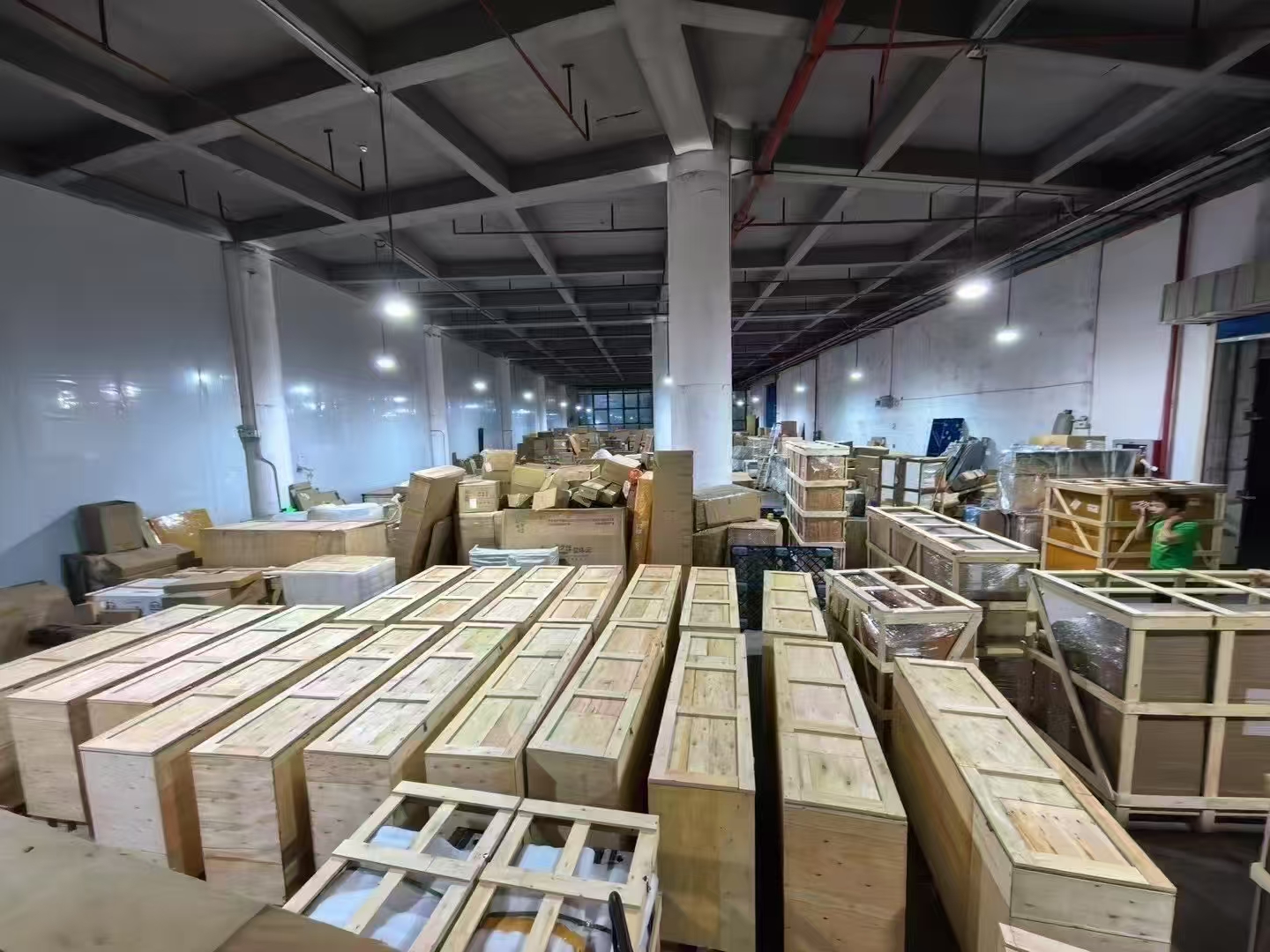
Inadequate Packaging Materials Problem: Using sub - standard packaging materials is a major mistake. For example, I had a client back in 2024 who shipped a set of delicate glass - topped tables from China to Sydney. They used only thin cardboard boxes and a small amount of bubble wrap. During transit, the glass tops shattered due to insufficient protection.Solution: Use high - quality packaging materials like thick corrugated cardboard boxes, plenty of bubble wrap, and foam inserts. For furniture with sharp edges or corners, use edge protectors to prevent damage.
Improper Packing Techniques Problem: Incorrect packing can lead to furniture shifting inside the box. A home goods seller once shipped a set of antique chairs to Melbourne. The chairs were not properly secured in the box, and they banged against each other during the journey, causing scratches and loose joints.
Solution: Disassemble the furniture if possible and pack each part separately. Use straps, ropes, or packing peanuts to fill the empty spaces in the box and keep the furniture in place.
III. Customs and Regulatory Pitfalls
Lack of Knowledge about 2026 Australian Regulations Problem: The Australian Border Force (ABF) and the Department of Agriculture, Fisheries and Forestry (DAFF) have updated their regulations in 2026. Some importers are not aware of these changes, especially regarding wood furniture. For example, untreated wood may be subject to strict quarantine requirements. A trade factory shipped a large quantity of wooden cabinets to Brisbane without proper treatment, and the shipment was held at the Port of Brisbane for weeks, incurring significant storage fees.Solution: Stay informed about the latest regulations. You can visit the official websites of ABF and DAFF. Also, consider working with a logistics provider like Aofei International Logistics, which has a team of experts who are well - versed in the new regulations.
Incorrect Documentation Problem: Filling out customs documentation incorrectly can cause major delays. An apparel importer once mis - declared the value of a shipment of wooden display racks in their customs forms. This led to an investigation by the customs authorities, and the shipment was held up for over a month.
Solution: Ensure that all documentation is accurate. This includes the commercial invoice, packing list, and certificate of origin. Double - check the Harmonized System (HS) codes and the declared value of the goods.
IV. Shipping Method Pitfalls
Choosing the Wrong Shipping Method Problem: Selecting an inappropriate shipping method can be costly and risky. For instance, a 3C electronics seller needed to ship a batch of high - end, fragile audio equipment to Sydney. They chose the cheapest shipping option, which was a slow - moving sea freight service without proper temperature and humidity control. By the time the shipment arrived, some of the audio equipment was damaged due to the long - term exposure to unfavorable conditions.Solution: Consider the nature of the fragile furniture, the delivery time requirements, and your budget. For high - value and time - sensitive fragile furniture, air freight might be a better option, while for larger and less time - critical shipments, sea freight can be used with proper precautions. Aofei International Logistics offers a range of shipping options, including high - end air and sea freight services, to suit different needs.
Ignoring Insurance Options Problem: Many shippers don't purchase insurance for their fragile furniture shipments. An e - commerce seller shipped a collection of delicate porcelain vases to Melbourne but didn't get insurance. Unfortunately, a major storm damaged the container during transit, and the vases were broken. The seller had to bear the full cost of the loss.
Solution: Always consider purchasing shipping insurance. It provides financial protection in case of damage, loss, or theft during transit. Make sure to understand the terms and conditions of the insurance policy.
V. Carrier and Logistics Partner Pitfalls
Selecting an Unreliable Carrier Problem: Using a carrier with a poor track record can lead to numerous problems. I've seen a home goods importer work with a small, unknown carrier to ship a large order of fine china to Port Botany. The carrier had a history of late deliveries and damaged goods, and this shipment was no exception. The fine china arrived weeks late and with significant damage.Solution: Research carriers before choosing one. Look at their reviews, delivery times, and claims history. Working with a well - established and reliable logistics partner like Aofei International Logistics can minimize these risks. Aofei has been in the cross - border logistics business for 12 years and has a proven track record of handling fragile furniture shipments.
Not Communicating Clearly with the Logistics Partner Problem: Lack of clear communication can cause misunderstandings. An importer shipped a set of custom - made, fragile wall art to Sydney. They didn't clearly communicate the special handling requirements to the logistics partner. As a result, the wall art was handled roughly during transit, and some of the art pieces were damaged.
Solution: Provide detailed information about your fragile furniture, including its dimensions, weight, special handling requirements, and delivery address to your logistics partner. Stay in touch with them throughout the shipping process.
VI. FAQ
Is it really necessary to disassemble the fragile furniture before shipping? Yes, if possible, disassembling the furniture is highly recommended. It reduces the risk of damage during transit. Fragile parts can be better protected individually, and the overall size of the shipment may be reduced, which can also save on shipping costs. For example, a dining table with removable legs is much easier to pack and transport safely.How can I find out the exact shipping costs for my fragile furniture? Shipping costs depend on several factors, such as the weight, dimensions, shipping method, and destination of the furniture. You can get a quote from a logistics provider like Aofei International Logistics. They offer standardized pricing and will provide you with a detailed breakdown of the costs.
What should I do if my fragile furniture is damaged during transit? If your furniture is damaged, first notify your logistics provider immediately. If you have insurance, file a claim as soon as possible. Provide all necessary documentation, such as photos of the damaged goods and the original packing list. Aofei International Logistics has a well - established售后理赔机制 to handle such cases efficiently.
Can I ship fragile furniture with sensitive items together? It's not advisable. Sensitive items, such as liquid or powder - based products, may have different handling and customs requirements. Mixing them with fragile furniture can increase the risk of damage to the furniture and also cause complications during customs clearance. It's best to ship them separately.
How long does it usually take to ship fragile furniture to Australia? The shipping time varies depending on the shipping method. Air freight usually takes around 3 - 7 days, while sea freight can take roughly 14 - 30 days, depending on the origin and the shipping route. However, these are just estimates and can be affected by factors such as customs clearance and weather conditions.