


I. Introduction
If you're an Australian e - commerce seller, 2026 is shaping up to be a pivotal year for China - Australia shipping. With new policies and market dynamics, multimodal transportation has become a hot topic. But what exactly should you know? I've been in the cross - border logistics frontline for years, and I've seen firsthand the challenges and opportunities that come with this. Let me share some insights.
II. New Policies and Regulations in 2026
1. Customs and Biosecurity Updates
The Australian Border Force (ABF) and the Department of Agriculture, Fisheries and Forestry (DAFF) have introduced stricter biosecurity checks in 2026. For instance, there are new requirements for the declaration of wood - based products to prevent the entry of pests. I remember a client last year who failed to declare some wooden furniture correctly. The shipment was held at Port Botany for over 14 days, incurring additional storage fees and causing a massive delay in the delivery to Sydney customers.
2. Tax and Duties
In 2026, there have been some adjustments to the valuation methods for customs duties. Sellers need to ensure their invoices are accurate, or they might face under - or over - paying of duties. I've encountered cases where incorrect invoicing led to customs audits, which could take up to 3 months to resolve.
III. In - depth Analysis of Multimodal Transportation
1. Multimodal Options
Multimodal transportation in China - Australia shipping typically combines sea, air, and land transport. For high - value, low - volume goods like 3C electronics, air - sea combination can be a great option. For example, an Australian e - commerce seller of 3C electronics based in Melbourne might choose to fly the goods from a Chinese factory to a major Chinese port, then ship them across the ocean. This can save time compared to pure sea freight but is also more cost - effective than pure air freight.
2. Costs and Time - Efficiency
Let's break down the costs. Sea freight is generally the cheapest option, with an average cost of around $1500 - $2500 per 20 - foot container from China to Australia. However, it takes roughly 25 - 35 days. Air freight is much faster, usually taking 3 - 7 days, but it can cost 3 - 5 times more per kilogram. Combining these methods allows sellers to balance cost and time.
To illustrate, I had a client, a 3C electronics seller in Brisbane. They needed to restock a popular smartphone model quickly. By using air - sea multimodal transportation, they managed to get the products to their warehouse in Brisbane in about 12 days. This was a week faster than pure sea freight, and the overall cost was only 20% higher than sea freight, which was worth it considering the sales they could make.
IV. Challenges and Solutions
1. Delays at Ports
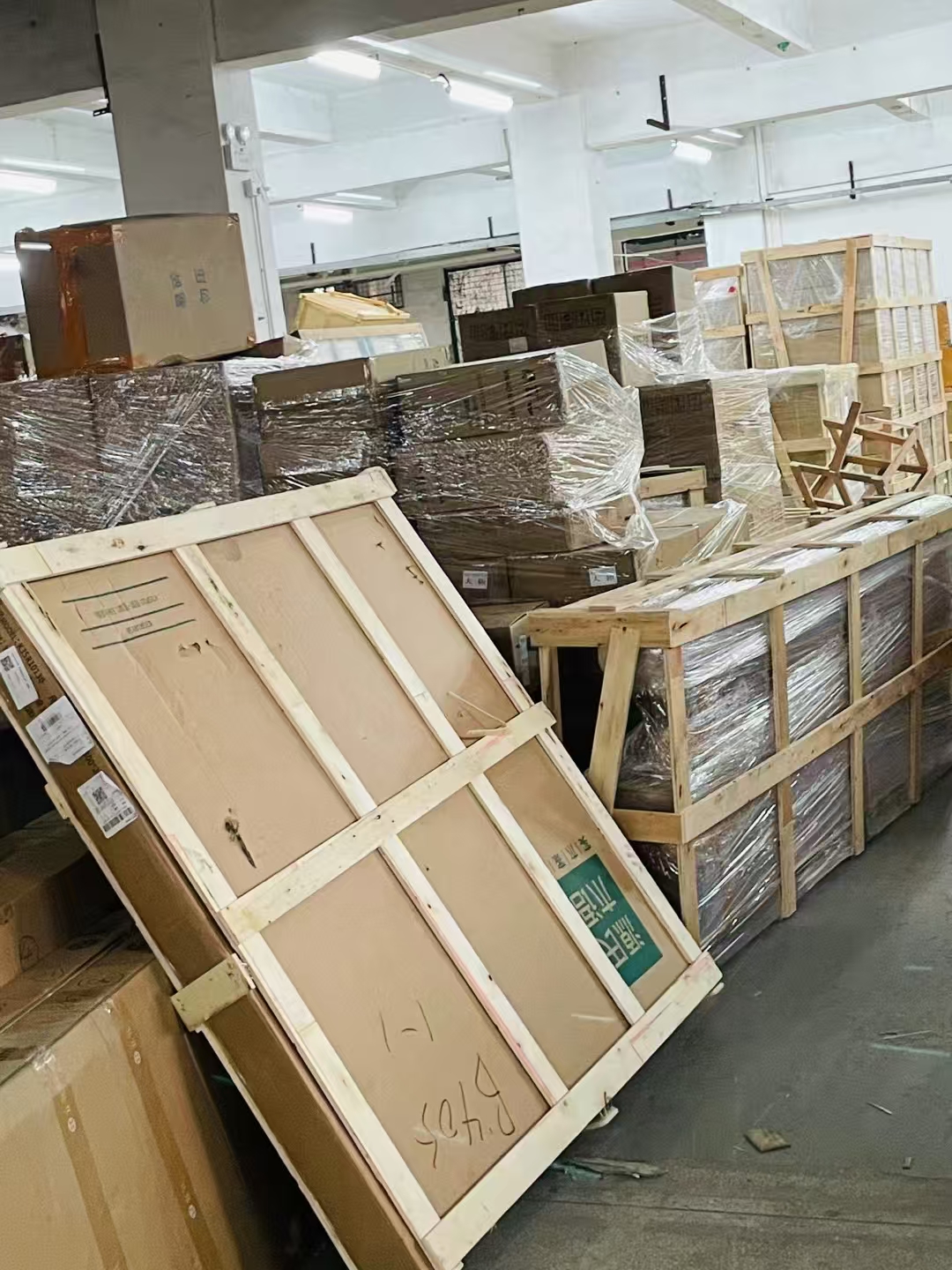
Ports like Port Botany and Port of Melbourne can experience congestion, especially during peak seasons. This can lead to delays in loading and unloading. Once, a shipment of home goods sellers' products was stuck at Port Botany for almost a week due to a labor strike. To tackle this, sellers can work with experienced logistics providers like Ao Fei International Logistics. They have established relationships with ports and can often get priority handling of shipments.
2. Documentation Errors
Incorrect or incomplete documentation is a common problem. Sellers must ensure they have accurate HS codes, invoices, and packing lists. For example, if the HS code is wrong, the goods might be mis - classified, leading to issues with customs clearance. Logistics companies can help by providing professional guidance on documentation preparation.
V. FAQ
Q: How can I choose the most suitable multimodal transportation option for my business? A: Consider factors like the type of goods (e.g., 3C electronics are high - value and time - sensitive, while home goods are usually bulkier and less time - critical), your budget, and your delivery timeline. You can also consult with a logistics expert. I often recommend businesses like Ao Fei International Logistics, which can analyze your specific needs and suggest the best option.Q: What if my goods are held up at customs due to biosecurity issues? A: If this happens, try to cooperate fully with the Australian Border Force and the Department of Agriculture, Fisheries and Forestry. Provide all the necessary documentation and information. A good logistics partner can be a great help here. Ao Fei International Logistics has a team of experts who understand the biosecurity regulations and can assist in resolving these issues quickly.
Q: Are there any hidden costs in multimodal transportation? A: There can be additional costs, such as storage fees at ports if there are delays, or fees for special handling of certain types of goods. However, with a reliable logistics provider, these costs should be clearly communicated upfront. Ao Fei International Logistics uses standardized计费 and has a transparent pricing system, so you won't be surprised by hidden fees.
Q: How can I track my shipment during multimodal transportation? A: Many logistics companies, like Ao Fei International Logistics, provide digital tracking systems. You can access real - time information about the location of your goods, whether they are on a plane, ship, or truck. This helps you stay informed and manage your inventory better.
Q: Can I use multimodal transportation for all types of goods? A: In general, most types of goods can be transported using multimodal methods. However, there are some restrictions for extremely hazardous or illegal goods. For common goods like 3C electronics, apparel, and home goods, multimodal transportation is a viable option. Just make sure to follow all the relevant regulations regarding the transportation of different types of goods.