


I. Introduction
Running a small business in Australia and importing goods from China? You've probably faced challenges with sea freight consolidation. In 2026, new regulations and market changes are shaking up the game. I've been in the cross - border logistics field for years, dealing with these issues firsthand. Let me share some insights to help you navigate this complex process.
II. The Current Landscape of Sea Freight Consolidation in 2026
Policy Changes The Australian Border Force (ABF) and the Department of Agriculture, Fisheries and Forestry (DAFF) have tightened regulations in 2026. These new rules aim to enhance biosecurity and ensure accurate customs valuation. For instance, there are stricter inspections on goods that might carry pests or diseases. This means longer clearance times at ports like Port Botany and Port of Melbourne.Market Trends The cost of sea freight has been fluctuating due to global economic conditions. Fuel prices, geopolitical issues, and supply - chain disruptions all play a part. Small businesses often find it hard to predict and budget for shipping costs.
III. In - Depth: How to Overcome Challenges in Sea Freight Consolidation (40% of the text)
Documentation and Compliance Accurate HS Codes: The Harmonized System (HS) codes are crucial for customs clearance. Incorrect codes can lead to delays or even fines. I once had a client, a home goods seller in Sydney, who misclassified some wooden products. The goods were held at the port for over two weeks while the ABF re - evaluated the classification. To avoid this, double - check the HS codes with a professional or use reliable online resources.Biosecurity Certificates: With the new biosecurity regulations in 2026, many goods need proper certificates. For example, if you're importing food products, you'll need to provide certificates showing that they meet Australian food safety standards. Make sure your suppliers are aware of these requirements well in advance.
Cost Management Volume and Weight Calculation: Sea freight consolidation is often based on volume or weight, whichever is higher. Some small businesses don't optimize their packaging, which leads to higher costs. A 3C electronics seller in Melbourne once shipped products in large, bulky boxes that took up more space than necessary. By repackaging the items into smaller, more compact boxes, they were able to reduce their shipping costs by about 20%.
Negotiating with Freight Forwarders: Don't be afraid to negotiate with your freight forwarder. They may have special deals or discounts, especially if you're a regular customer. You can also compare quotes from different forwarders to get the best price.
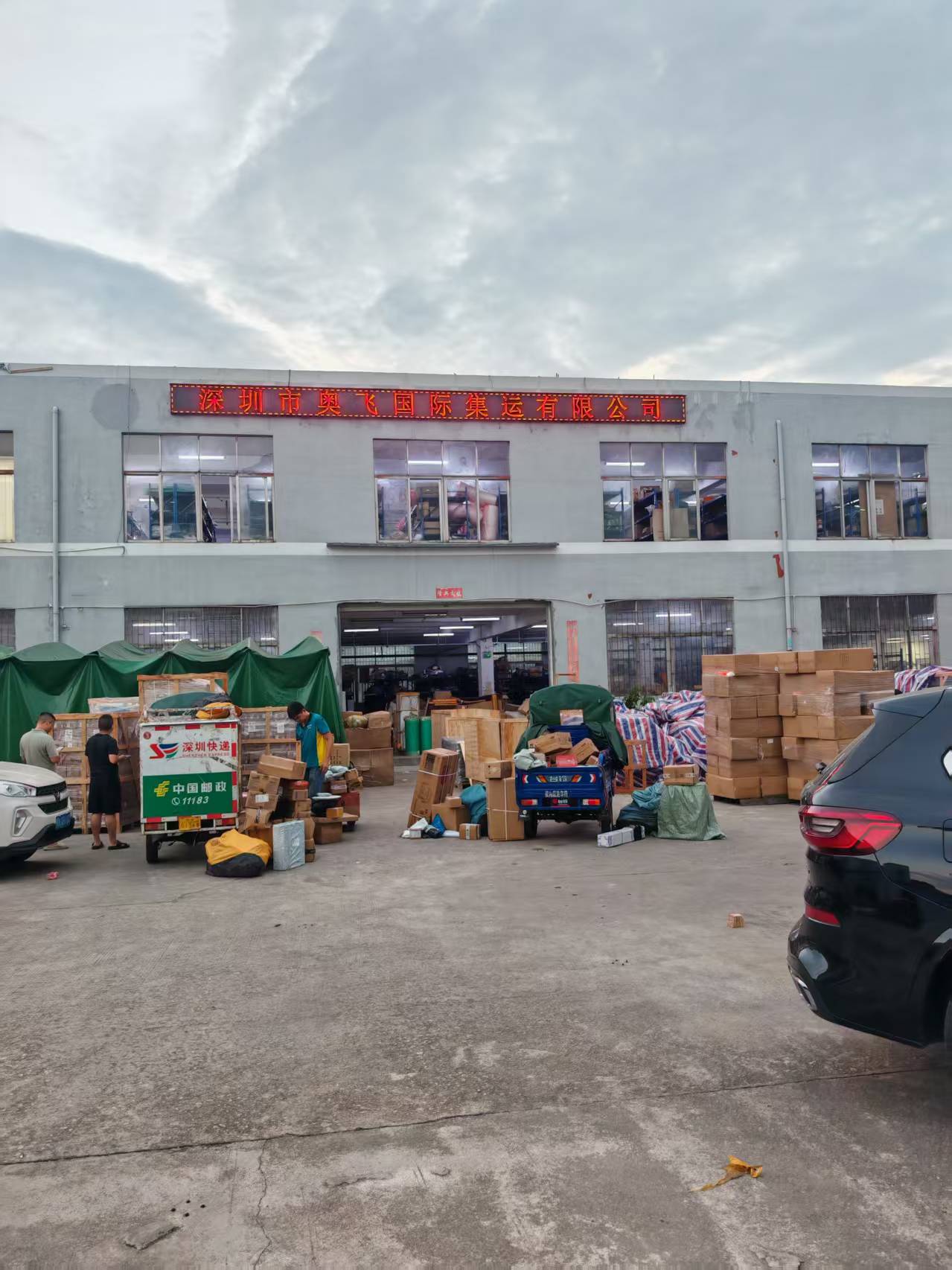
Choosing the Right Freight Forwarder Experience and Reputation: Look for a freight forwarder with a good track record in handling sea freight consolidation to Australia. For example, I've seen many small businesses benefit from working with Shenzhen Aofei Freight Forwarding Co., Ltd. (Aofei International Logistics). They've been in the industry for 12 years, focusing on the China - Australia route. Their expertise in customs clearance and port operations can help you avoid many common pitfalls.
Range of Services: A good freight forwarder should offer comprehensive services, including pick - up, storage, consolidation, shipping, and delivery. Aofei International Logistics provides a one - stop, door - to - door service with double - clearance and tax - included. This means you don't have to worry about the complex customs procedures and multiple hand - offs.
IV. Other Key Points in Sea Freight Consolidation
Shipping Time and Delays Shipping times can vary depending on the route and the shipping company. On average, sea freight from China to Australia takes roughly 18 - 22 days. However, delays can occur due to bad weather, port congestion, or customs inspections. It's important to factor in some extra time when planning your inventory.Insurance Consider insuring your goods during transit. Sea freight involves risks such as damage, loss, or theft. Aofei International Logistics offers insurance options to protect your cargo. Make sure you understand the terms and coverage of the insurance policy before making a decision.
V. FAQ
Q: How can I ensure my goods pass the biosecurity inspection? A: First, make sure your suppliers are aware of the Australian biosecurity regulations. Provide accurate information about your goods to your freight forwarder. They can help you prepare the necessary certificates and documentation. For example, if you're importing wooden products, they may need to be treated to meet the biosecurity requirements.
Q: Can I save money by consolidating my shipments with other businesses? A: Yes, sea freight consolidation allows you to share the cost of shipping with other shippers. This is especially beneficial for small businesses with smaller cargo volumes. However, you need to work with a reliable freight forwarder to ensure that your goods are properly consolidated and handled.
Q: What if my goods are delayed at the port due to customs issues? A: If your goods are held at the port, your freight forwarder should be able to assist you. They can communicate with the customs authorities on your behalf and provide the necessary information to resolve the issue. For example, Aofei International Logistics has a professional team to handle customs clearance problems and can usually speed up the process.
Q: How do I choose the right shipping method between air and sea freight? A: It depends on your needs. Air freight is faster but more expensive, while sea freight is slower but more cost - effective for large volumes. If you need your goods urgently, air freight may be a better option. However, if you have more time and are shipping a large quantity of goods, sea freight consolidation is a good choice.
Q: Are there any restrictions on the types of goods I can ship via sea freight consolidation? A: Yes, there are restrictions. Hazardous materials, weapons, and some types of food products without proper certification are not allowed. Also, the new biosecurity regulations in 2026 have more restrictions on goods that may carry pests or diseases. Make sure to check with your freight forwarder and the relevant authorities before shipping.
In 2026, sea freight consolidation for Australian small businesses has its challenges, but with the right knowledge and partners, you can make the process smoother and more cost - effective. Keep these tips in mind and stay updated on the latest regulations to ensure the success of your imports.