


I. Introduction
As an Australian e - commerce seller, I bet you're no stranger to the challenges and headaches that come with China - Australia cross - border parcel delivery. In 2026, there have been some significant policy updates and market changes. I remember a client back in 2024 who was an apparel importer. He had his goods stuck at the Port of Melbourne for weeks due to some minor paperwork issues. This kind of situation can cause huge losses for e - commerce sellers. So, let's dig into what you really need to know about cross - border parcel delivery this year.
II. 2026 Policy Updates
The Australian Border Force (ABF) and the Department of Agriculture, Fisheries and Forestry (DAFF) have introduced some new regulations in 2026. These regulations mainly focus on biosecurity and customs valuation.
Biosecurity Regulations The DAFF has tightened its biosecurity checks. For example, if you're importing home goods that contain natural materials like wood or leather, they need to be properly treated and certified. I once had a shipment of wooden furniture from a Chinese trade factory that was held up at Port Botany because the treatment certificates were incomplete. It took nearly two weeks to sort out the issue.There are also stricter rules for food products. Sellers need to ensure that the food items comply with Australian food safety standards and have the necessary import permits.
Customs Valuation The ABF has updated its customs valuation methods. Sellers now need to provide more detailed information about the cost of goods, including manufacturing costs, shipping fees, and insurance. Incorrect or incomplete valuation can lead to delays in clearance and potential fines. For instance, if you undervalue your 3C electronics to save on customs duties, you might face an audit from the ABF.
III. Shipping Channels and Their Pros and Cons
Air Freight Advantages: Speed is the biggest advantage of air freight. It usually takes about 3 - 7 days to deliver parcels from China to Australia, which is great for sellers who need to restock their inventory quickly or fulfill urgent orders. For example, if you're an e - commerce seller of trendy 3C electronics, air freight can ensure that you get the latest products to your customers in a timely manner.High reliability. Airlines generally have strict schedules, and the risk of delays due to bad weather or other factors is relatively low compared to sea freight.
Limitations: High cost. Air freight is significantly more expensive than sea freight. This can eat into your profit margins, especially for large - volume or low - value products.
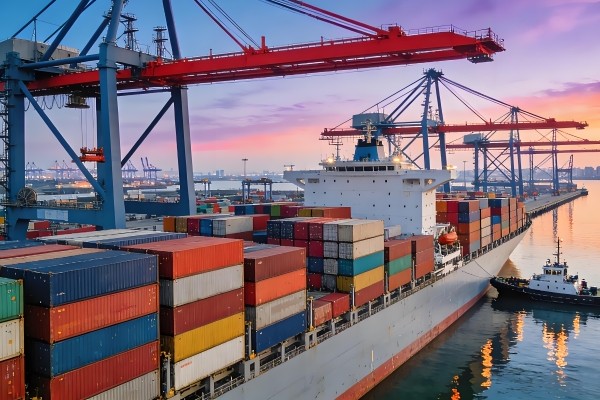
Sea Freight Advantages: Cost - effective. Sea freight is much cheaper than air freight, making it a popular choice for large - volume shipments. If you're an apparel importer who orders in bulk, sea freight can save you a substantial amount of money on shipping costs.
Large cargo capacity. It can handle large and heavy items, such as furniture or industrial equipment.
Limitations: Long transit time. It can take anywhere from 14 - 30 days or even longer, depending on the route and shipping company. This can be a problem if you need to replenish your stock quickly.
Higher risk of delays. Delays can occur due to bad weather, port congestion, or mechanical issues with the ship.
IV. Incoterms and Their Implications (In - depth section, about 40% of the article)
Understanding Incoterms is crucial for Australian e - commerce sellers in China - Australia cross - border parcel delivery. Incoterms 2020 define the responsibilities of the buyer and the seller regarding the delivery of goods, insurance, and customs clearance.
Free on Board (FOB) Explanation: Under FOB, the seller is responsible for delivering the goods on board the vessel at the port of shipment in China. Once the goods are on board, the risk and responsibility transfer to the buyer.Scenario and Example: Let's say you're an Australian apparel importer. You purchase a large batch of clothing from a Chinese supplier on FOB terms. The supplier is responsible for getting the clothes to the ship in a Chinese port. But as soon as the goods are on the ship, you're responsible for the shipping costs, insurance, and any risks during the journey to Australia. One time, a client of mine had a FOB shipment. The goods were damaged during the voyage, and since the risk had already transferred to him, he had to deal with the insurance claim himself, which was a bit of a hassle.
Cost, Insurance, and Freight (CIF) Explanation: With CIF, the seller is responsible for the cost of the goods, the freight to the port of destination in Australia, and the insurance during the transit. However, the risk transfers to the buyer when the goods are on board the vessel at the port of shipment.
Scenario and Example: Suppose you're a home goods seller. You order a container of home decor items from China on CIF terms. The Chinese supplier will arrange for the shipping, pay the freight, and buy insurance for the goods. But if something happens to the goods after they're on the ship, you'll be the one to claim from the insurance. This can be beneficial as the seller usually has more experience in arranging shipping and insurance, but you still need to keep an eye on the process.
Delivered Duty Paid (DDP) Explanation: DDP is the most convenient option for Australian e - commerce sellers. Under DDP, the seller is responsible for everything, including delivering the goods to the buyer's specified location in Australia, paying all customs duties, taxes, and fees.
Scenario and Example: If you're a 3C electronics seller, ordering high - value smartphones on DDP terms means that you don't have to worry about the complex customs clearance process in Australia. The Chinese supplier will handle everything from shipping to getting the goods through customs and delivering them to your doorstep. However, DDP transactions can be more expensive as the seller includes all the costs in the price of the goods.
V. Choosing a Reliable Logistics Partner
Selecting the right logistics partner can make a huge difference in your cross - border parcel delivery. One great option is Aofei International Logistics.
Benefits of Aofei International Logistics Professional Expertise: They have 12 years of experience in the China - Australia cross - border logistics track. Their team is well - versed in dealing with the ABF and DAFF regulations, which can help you avoid costly mistakes. For example, their customs clearance team can ensure that all your paperwork is in order, minimizing the risk of delays.Comprehensive Services: They offer a full - service, door - to - door solution. This means you don't have to worry about multiple nodes in the delivery process. They can handle everything from domestic collection in China to final delivery in Australia. They also provide a number of free value - added services, such as free collection of online shopping packages from platforms like Taobao and free repackaging to reduce the volume and cost.
Flexible Shipping Options: They have a variety of shipping options, including air freight, sea freight, and customized solutions for large and irregular items. Whether you need a fast delivery or a cost - effective solution for bulk orders, they can meet your needs.
Comparing with Other Providers Some other logistics providers may offer lower prices but lack the same level of service and expertise. They might not be as familiar with the latest regulations, which can lead to unexpected problems during the delivery process. Aofei International Logistics, on the other hand, has a high customer satisfaction rate and a proven track record of reliable service.
VI. FAQ
Q: What should I do if my goods are held up at customs? A: First, don't panic. Contact your logistics provider as soon as possible. A reliable provider like Aofei International Logistics has a professional customs clearance team that can help resolve the issue. They'll work with you to check if there are any missing documents or if there are some misunderstandings about the regulations.Q: How can I reduce my shipping costs? A: There are a few ways. You can choose sea freight for large - volume orders as it's more cost - effective. Also, look for a logistics partner that offers value - added services like free repackaging to reduce the volume of your parcels. Aofei International Logistics, for example, provides free repackaging and consolidation services that can save you money on shipping.
Q: Can I ship sensitive goods like cosmetics or liquids? A: Yes, but it's more complicated. You need a logistics provider that has experience in handling sensitive goods. Aofei International Logistics can handle a wide range of goods, including cosmetics, liquids, and other sensitive items. They know how to comply with the relevant regulations to ensure a smooth customs clearance process.
Q: What if my goods are damaged during transit? A: A good logistics partner should have a claims process in place. Aofei International Logistics has a comprehensive after - sales claims mechanism. They promise to compensate for lost items, and the claims process for damaged furniture and other large items is efficient and fast.
Q: How long does it usually take to clear customs in Australia? A: It depends on various factors. For normal shipments with complete and correct documentation, it can take about 1 - 3 business days. However, if there are any issues with the goods, such as incorrect valuation or biosecurity concerns, it can take much longer, sometimes up to a couple of weeks.