


I. Introduction
Hey there, Australian small business owners, importers, and e-commerce sellers! I've been in the cross - border logistics game between China and Australia for quite a while. In 2026, there are some significant policy changes and operational quirks in China - Australia door - to - port freight. I once had a home goods seller client who nearly lost a big shipment due to a simple oversight. So, let's dive into this guide to help you avoid common pitfalls.
II. Pre - Shipment Pitfalls and How to Sidestep Them
1. Incorrect Goods Classification
One of the most frequent mistakes I've seen in my years of operation is incorrect goods classification. The Harmonized System (HS) codes are crucial for customs clearance. In 2026, there have been some minor updates to the HS codes for certain products, especially in the electronics and textile sectors. For example, a 3C electronics seller in Sydney ordered a large batch of smartwatches from a trade factory in China. They used the old HS code, which led to customs delays at Port Botany. The cargo was held for almost two weeks while the correct classification was sorted out. To avoid this, always double - check the HS codes on the official Australian Border Force (ABF) website or consult with a professional customs broker.
2. Incomplete Documentation
Documentation is the backbone of cross - border logistics. In 2026, the Australian Department of Agriculture, Fisheries and Forestry (DAFF) has tightened the requirements for phytosanitary certificates and other import documents. A few months ago, an apparel importer in Melbourne didn't attach the proper phytosanitary certificate for a shipment of cotton - based clothing. The shipment was stuck in quarantine, and the importer had to pay extra fees to get it sorted. Make sure you have all the necessary documents, such as commercial invoices, packing lists, bills of lading, and any special certificates related to the goods.
III. Shipping Process Challenges: A Deep - Dive (40% of the Content)
1. Carrier Selection
Choosing the right carrier is crucial. In 2026, with the increasing demand for China - Australia freight, some carriers may over - commit and under - deliver. I know of a home goods seller in Brisbane who chose a relatively unknown carrier to save costs. The carrier had a lot of operational issues, and the shipment was delayed by over 20 days. When selecting a carrier, look at their track record, transit times, and customer reviews. Established carriers like Maersk and CMA CGM generally have more reliable services, but they may also be more expensive.
2. Freight Rates Fluctuations
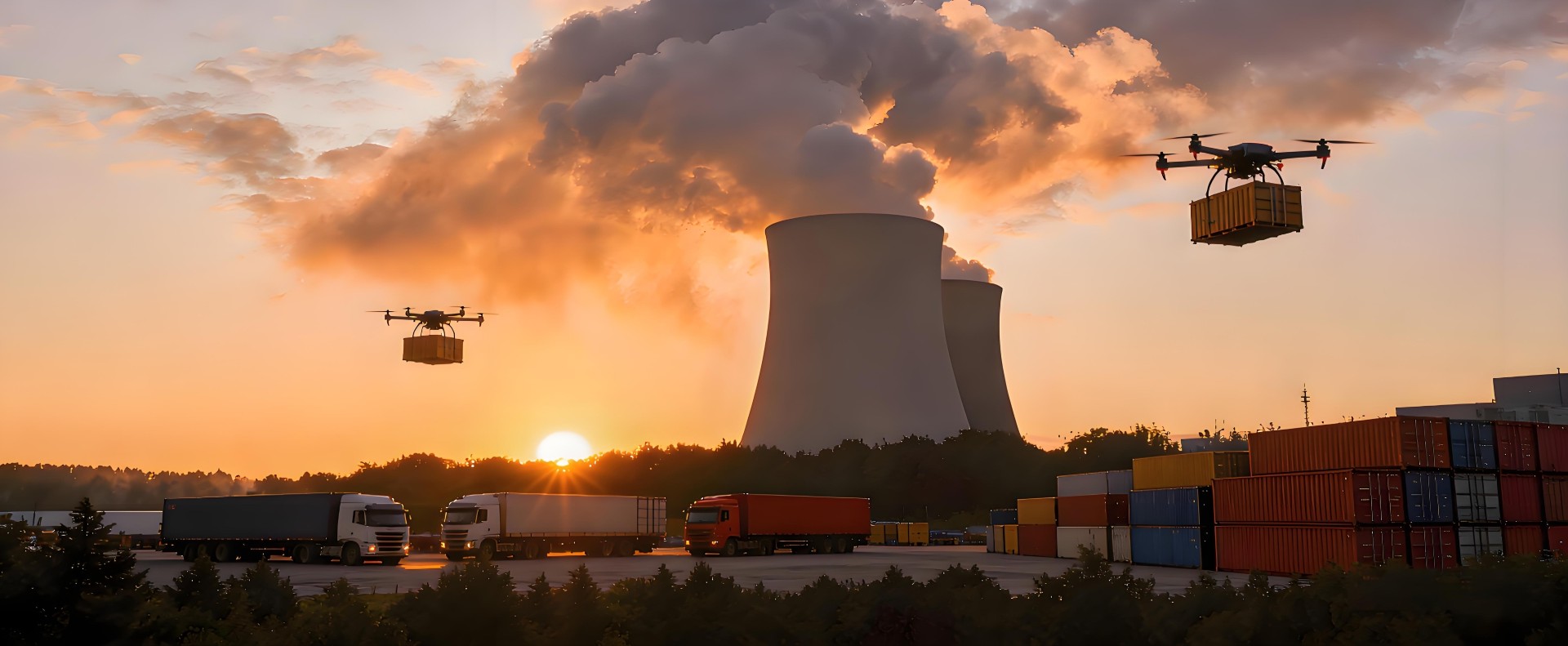
Freight rates are constantly changing. In 2026, factors like fuel prices, geopolitical tensions, and shipping capacity shortages can cause significant fluctuations. For example, during the peak shipping season, rates can spike by up to 30%. A 3C electronics seller in Sydney once booked a shipment at a certain rate but didn't lock it in. By the time the shipment was ready to go, the rates had increased substantially, eating into their profit margins. To manage this, try to lock in rates in advance or use rate hedging strategies.
3. Container Availability
Container availability has been a persistent issue in the cross - border logistics industry. In 2026, it's still a challenge, especially during peak seasons. An apparel importer in Melbourne faced a situation where they had to wait for almost two weeks to get a container for their shipment. To avoid this, book your containers well in advance, at least 3 - 4 weeks before your intended shipping date. You can also work with a logistics provider that has a good relationship with container suppliers.
4. Delays at Chinese Ports
Chinese ports are some of the busiest in the world. In 2026, congestion at ports like Shanghai and Shenzhen can cause significant delays. A home goods seller's shipment was stuck at the port for over a week due to a backlog of containers. To mitigate this risk, choose a logistics provider that has experience in handling shipments at these ports and can expedite the process.
IV. Customs Clearance Hurdles and Solutions
1. New Biosecurity Regulations
In 2026, Australia has introduced new biosecurity regulations to protect its unique ecosystem. Goods such as wooden products, food items, and some textiles need to meet strict biosecurity standards. A trade factory in China shipped a batch of wooden furniture to Melbourne without proper treatment and documentation. The shipment was seized, and the factory had to pay hefty fines and re - export the goods. Before shipping any goods that may be subject to biosecurity regulations, consult with DAFF and ensure that your goods are compliant.
2. Customs Valuation Issues
Customs valuation is another area where importers often face problems. The ABF uses specific methods to determine the value of imported goods for duty calculation. An e - commerce seller in Sydney undervalued their goods on the commercial invoice to save on duties. However, the ABF conducted an audit and discovered the discrepancy. The seller had to pay the additional duties, along with penalties. Always ensure that your commercial invoices reflect the accurate value of the goods.
V. FAQ Section
Q: I'm a small e - commerce seller. Can I handle the cross - border logistics myself without a logistics provider? A: You can, but it's not recommended. Dealing with customs regulations, documentation, and carrier selection can be very complex, especially in 2026 with the new policies. I once had a client who tried to do it themselves and ended up with a lot of delays and extra costs. A professional logistics provider like [奥飞国际物流] can handle all these aspects for you, saving you time and money.
Q: How can I ensure that my goods will pass the biosecurity inspection in Australia? A: First, you need to understand the biosecurity requirements for your specific goods. Check the DAFF website or consult with your logistics provider. For example, if you're shipping wooden products, they may need to be heat - treated and have a phytosanitary certificate. Working with a logistics provider like [奥飞国际物流] that has experience in handling biosecure goods can also increase your chances of passing the inspection.
Q: What should I do if my shipment is delayed? A: If your shipment is delayed, first contact your carrier for an update. They can usually provide you with information on the cause of the delay. If it's due to customs issues, work with your customs broker or logistics provider to resolve the problem. For example, if the delay is because of incorrect documentation, you may need to provide the correct documents as soon as possible.
Q: Are there any particular considerations for shipping sensitive goods like electronics? A: Yes, electronics are considered sensitive goods. They may be subject to specific regulations related to safety and emissions. In 2026, there have been some updates to these regulations. Make sure your goods comply with Australian standards and that you have the necessary certificates. Additionally, proper packaging is crucial to prevent damage during transit. You can consult with a logistics provider like [奥飞国际物流] to ensure that your electronics are shipped safely and comply with all regulations.
Q: How can I get better freight rates? A: You can try to negotiate rates with carriers, especially if you have a large - volume shipment. Booking in advance can also sometimes get you better rates. Another option is to work with a logistics provider like [奥飞国际物流] that has established relationships with carriers and can often get more competitive rates for you.
In conclusion, by being aware of these potential pitfalls and following the solutions provided, you can make your China - Australia door - to - port freight experience in 2026 much smoother. Keep an eye on the latest policies and make sure you're well - prepared before shipping.