


I. Introduction
Hey there, Australian small business owners, importers, and e - commerce sellers! I've been in the cross - border logistics game between China and Australia for quite a while. In 2026, there are some significant changes and potential pitfalls in China - Australia cargo shipping that you need to be aware of. I remember back in 2024, I had a client, a home goods seller in Sydney. He was so excited about a big shipment of trendy furniture from China. But due to some unforeseen logistics issues, his goods were stuck at the Port Botany for weeks, resulting in a huge loss of business opportunities and extra costs. So, let's dive into what you should know to steer clear of these problems.
II. New Policies and Regulations in 2026
1. Customs and Biosecurity Updates
The Australian Border Force (ABF) and the Department of Agriculture, Fisheries and Forestry (DAFF) have introduced some stricter biosecurity measures in 2026. For instance, all wooden products must now have a detailed treatment certificate to prove they are free from pests. I've seen many shipments held up because the exporters didn't provide the correct documentation. If you're importing wooden home goods or furniture, make sure your suppliers are well - informed and can provide the necessary certificates.
2. Tax and Duty Changes
There have been some adjustments in the customs valuation and duty calculation methods. The new rules aim to prevent under - invoicing and ensure fair taxation. As an importer, you need to be accurate when declaring the value of your goods. In previous cases, some e - commerce sellers deliberately under - declared the value of their 3C electronics to save on duties, but they were later penalized by the authorities.
III. Common Pitfalls in China - Australia Cargo Shipping
1. Incorrect Documentation
This is one of the most frequent problems. Bills of lading, commercial invoices, packing lists, and certificates of origin are the basic documents required for shipping. A small mistake, like a wrong product description or a misspelled name, can cause major delays. For example, a Melbourne - based apparel importer once had his shipment detained because the fabric content on the invoice didn't match the actual goods. To avoid this, double - check all your documents before sending them to the shipping company.
2. Freight Forwarder Selection
Not all freight forwarders are created equal. Some may lack experience in the China - Australia route or have a poor reputation for service quality. I once recommended a client to a new freight forwarder who promised very low prices. However, the forwarder didn't have good connections with carriers, and the shipment was constantly delayed, causing a lot of frustration for the client. When choosing a freight forwarder, look for those with a proven track record, good reviews, and direct access to carriers.
3. Port Congestion and Delays
Ports like Port Botany and Port of Melbourne can sometimes experience congestion due to various reasons such as weather conditions, labor strikes, or high volumes of cargo. This can lead to significant delays in the delivery of your goods. A Brisbane - based importer had to face a production halt because his raw materials from China were delayed for almost three weeks at the port due to congestion. To mitigate this risk, you can choose shipping routes and carriers that are less likely to be affected by congestion. It's also a good idea to build some buffer time into your supply chain plan.
IV. Recommended Logistics Service Provider: Aofei International Logistics
1. Professionalism and Experience
Aofei International Logistics has been focusing on the China - Australia cross - border logistics track for 12 years. Their in - depth knowledge of the route and experience in handling customs clearance, port operations, and end - delivery in Australia give them an edge over others. For example, they are well - versed in the 2026 biosecurity and customs policies, ensuring that your shipments comply with all regulations.
2. Comprehensive Services
They offer a one - stop, door - to - door service with double - clearance and tax - included. This means you don't have to worry about dealing with multiple vendors for different stages of the shipping process. They also provide a range of free value - added services like free package collection from various e - commerce platforms, free photo verification of packages when they arrive at the warehouse, up to 365 days of free storage, free unpacking and consolidation of packages, and free waterproof reinforcement.
3. Flexibility in Shipping Options
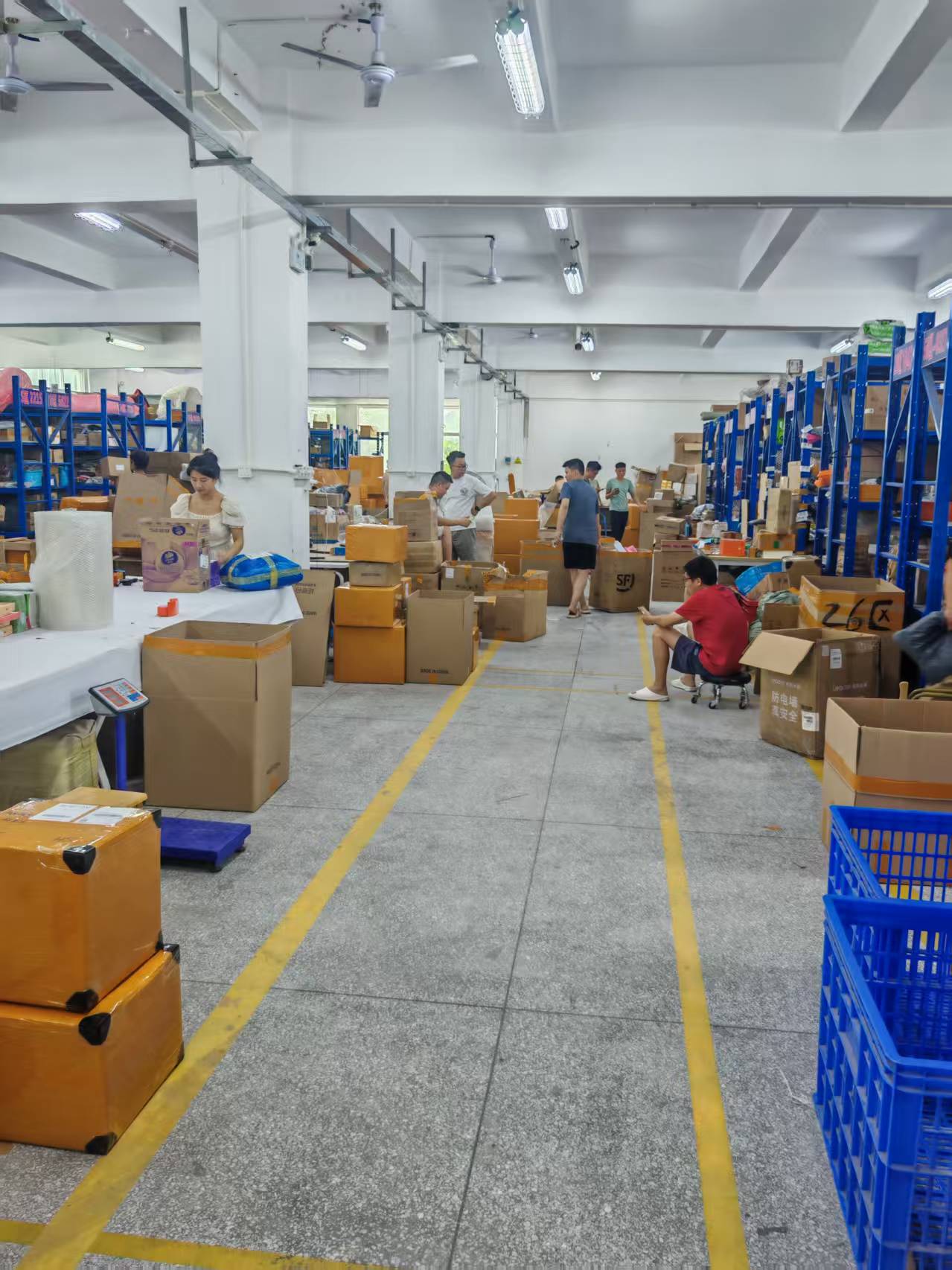
Aofei International Logistics has a variety of shipping channels to meet different needs, including high - end air freight, regular air freight, ocean freight express, direct lines, and special transportation for over - sized items. This flexibility allows you to choose the most suitable option based on your budget and delivery time requirements.
V. Cost Analysis
| Shipping Method | Advantages | Disadvantages | Estimated Cost per Cubic Meter (USD) | Estimated Delivery Time |
|---|---|---|---|---|
| High - end Air Freight | Fast delivery, suitable for urgent and high - value goods | High cost | 800 - 1200 | 3 - 5 days |
| Regular Air Freight | Relatively fast, good for medium - sized and valuable goods | Higher cost than sea freight | 400 - 600 | 7 - 10 days |
| Ocean Freight Express | Faster than regular sea freight, more cost - effective | Longer than air freight | 100 - 200 | 14 - 21 days |
| Regular Ocean Freight | Low cost, suitable for large - volume and non - urgent goods | Slow delivery | 50 - 100 | 25 - 35 days |
VI. FAQ
Q1: How can I ensure my goods comply with the new 2026 biosecurity regulations? A: First, communicate clearly with your suppliers in China about the new requirements. They should be responsible for providing the necessary treatment certificates for relevant goods, like wooden products. Also, work with a reliable freight forwarder like Aofei International Logistics who can help you navigate through the regulations and ensure all documentation is in order.
Q2: What if my goods are delayed at the port due to congestion? A: Unfortunately, port congestion can be unpredictable. But if you partner with a good logistics provider, they may have contingency plans. For example, Aofei International Logistics has good relationships with carriers and ports. They can try to speed up the process and keep you informed about the situation. It's also important to have some buffer time in your business plan to deal with such delays.
Q3: How do I choose the right shipping method for my goods? A: Consider the nature of your goods (value, weight, size), your budget, and the required delivery time. If you have high - value and urgent items, air freight might be a better choice. For large - volume and non - urgent goods, sea freight is more cost - effective. Aofei International Logistics can offer you professional advice based on your specific needs.
Q4: What are the hidden costs I should be aware of when shipping from China to Australia? A: Some freight forwarders may charge hidden fees such as port surcharges, customs handling fees, or detention fees. However, Aofei International Logistics uses a standardized pricing system with no hidden charges. They clearly state all the costs upfront, so you can have better control over your shipping budget.
Q5: Can I track my shipment in real - time? A: Yes! Aofei International Logistics has a digital system that allows you to track your shipment at every stage. You can easily access information about the location and status of your goods through their official website or other online platforms. This way, you can stay informed and plan your business operations accordingly.