


I. Introduction
In 2026, the cross - border shipping industry between China and Australia continues to evolve, with new policies and market conditions. As an Australian small business owner, importer, or e - commerce seller, you might be facing various challenges in cargo stowage. I've witnessed many cases where improper stowage led to significant losses. Once, a 3C electronics seller in Sydney imported a large batch of smartphones. Due to incorrect stowage, some devices were damaged during transit, resulting in a loss of about AUD 30,000. So, let's explore how to avoid these pitfalls.
II. Understanding 2026 Australia's New Policies Related to Cargo Stowage
The Australian Border Force (ABF) and the Department of Agriculture, Fisheries and Forestry (DAFF) have introduced some new regulations in 2026. For example, there are stricter requirements for the stowage of goods that may carry pests or diseases. Any wooden packing materials must be properly treated and marked, or they will be subject to quarantine inspection and possible re - export or destruction.
Another important update is the customs valuation for stowage - related costs. If you're using the DDP (Delivered Duty Paid) term under INCOTERMS 2020, the stowage costs need to be accurately declared as part of the goods' value. Failure to do so can lead to fines and delays. For instance, a home goods seller in Melbourne who didn't include stowage costs in the declared value faced a customs fine of around AUD 5,000 and a two - week delay in getting their goods released.
III. Common Pitfalls in Cargo Stowage and Their Solutions
1. Incorrect Weight and Balance Distribution
Problem: One of the most common issues is improper weight and balance. If heavy goods are concentrated on one side of the container, it can cause instability during transit. For example, an apparel importer in Brisbane once loaded all their heavy winter coats on one end of the container. During a rough sea voyage, the container shifted, and some goods were damaged. Solution: Before loading, calculate the weight of each item and plan the stowage carefully. Use dunnage and bracing to secure the goods and ensure an even distribution of weight. You can also consult with your freight forwarder, like [奥飞国际物流], which has 12 years of experience in the China - Australia cross - border logistics field. They can provide professional advice on weight and balance distribution based on the type of goods.2. Lack of Adequate Packaging
Problem: Inadequate packaging can lead to damage during transit. For 3C electronics, a minor impact can cause internal components to malfunction. A trade factory in Sydney once shipped a batch of laptops without proper shock - absorbing materials. Many laptops arrived with cracked screens and damaged hard drives. Solution: Choose appropriate packaging materials according to the nature of the goods. For fragile items, use bubble wrap, foam, or air pillows. For heavy or large items, consider using wooden crates or pallets. [奥飞国际物流] offers free packaging services, including waterproof and shock - proof treatments, to ensure your goods are well - protected during transit.3. Ignoring Compatibility of Goods
Problem: Some goods are not compatible with each other. For example, chemicals and food products should not be stowed together as there is a risk of contamination. A home goods seller in Sydney made a mistake by loading cleaning chemicals and kitchen utensils in the same container. When the chemicals leaked, the kitchen utensils were contaminated and unusable. Solution: Familiarize yourself with the compatibility rules of different goods. If you're unsure, consult your freight forwarder. They can help you separate incompatible goods and ensure proper stowage.4. Non - Compliance with Stowage Regulations
Problem: As mentioned earlier, new regulations in 2026 have made it crucial to comply with stowage requirements. For example, goods with certain labels or markings need to be stowed in specific ways. If you don't follow these rules, your goods may be detained at customs. Solution: Stay updated on the latest regulations. You can subscribe to official announcements from the ABF and DAFF. Freight forwarders like [奥飞国际物流] also keep a close eye on policy changes and can help you ensure compliance.IV. Effective Stowage Strategies
1. Utilize Loading Plans
Create a detailed loading plan before the actual stowage. This plan should include the position of each item in the container, taking into account weight distribution, compatibility, and accessibility for unloading. [奥飞国际物流] can assist you in creating such a plan based on their experience and knowledge of the shipping process.
2. Use Technology
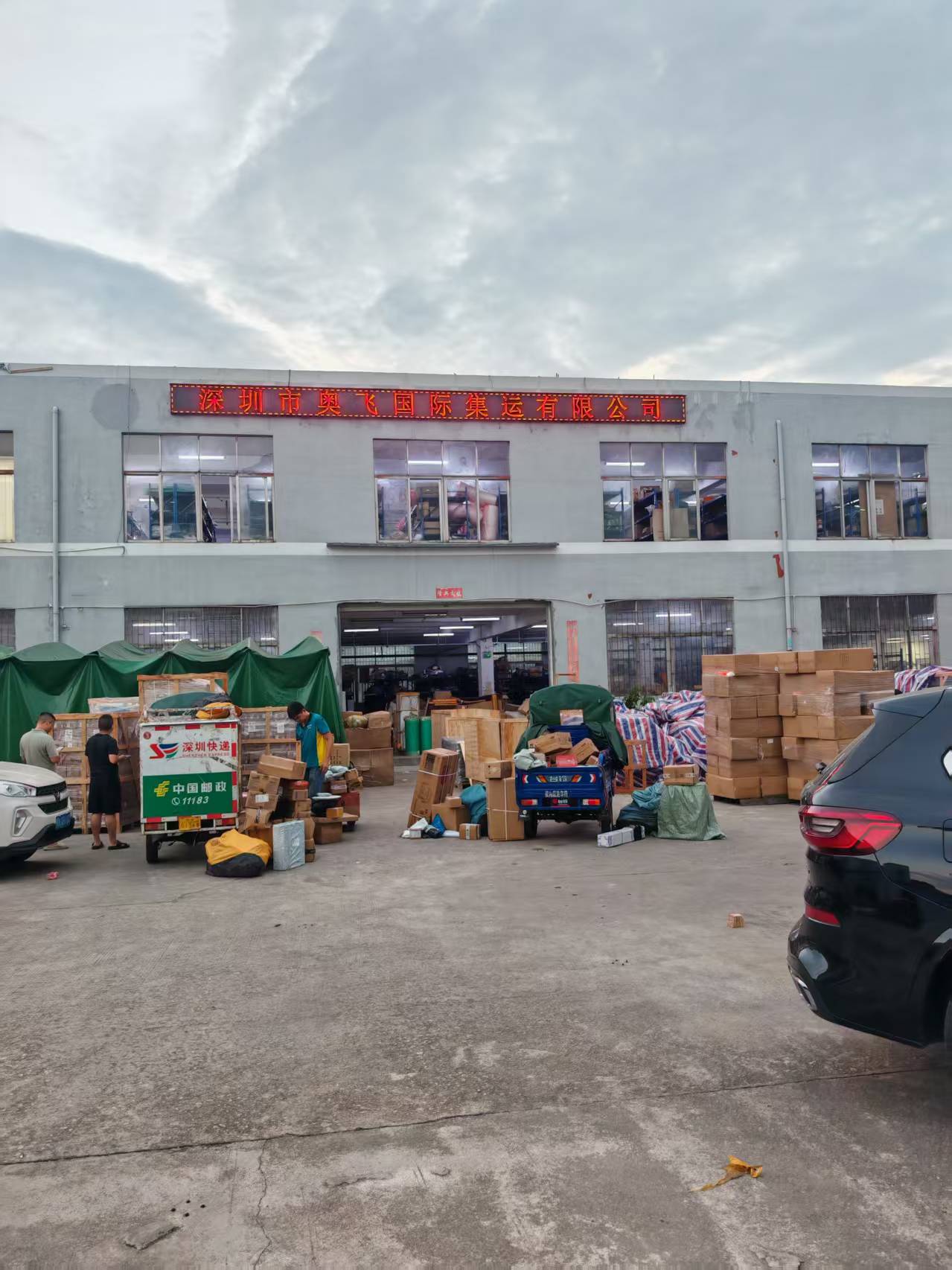
Some modern technologies, such as container tracking systems and inventory management software, can help you keep track of your goods during stowage and transit. These tools can provide real - time information about the location and condition of your cargo, allowing you to take timely actions if any issues arise.
3. Regular Inspections
Conduct regular inspections during the stowage process to ensure that everything is being loaded correctly. Check for proper packaging, weight distribution, and compliance with regulations. This can help you identify and correct any potential problems before the container is sealed and shipped.
V. Frequently Asked Questions
Q1: How can I ensure that my goods comply with the new stowage regulations in 2026? A: You should regularly check the official announcements from the Australian Border Force (ABF) and the Department of Agriculture, Fisheries and Forestry (DAFF). Working with an experienced freight forwarder like [奥飞国际物流] can also make it easier. They have a team of experts who are familiar with the latest policies and can guide you through the stowage process to ensure compliance.
Q2: What if my goods are damaged during stowage or transit? A: If you work with a reliable freight forwarder like [奥飞国际物流], they have a完善的售后理赔机制. They promise to pay for lost items and handle furniture and other large - item shipping damage claims efficiently and quickly. However, it's also important to have proper insurance for your goods to add an extra layer of protection.
Q3: Can [奥飞国际物流] help with the stowage of large or irregularly - shaped goods? A: Absolutely. [奥飞国际物流] has strong capabilities in handling large and irregularly - shaped goods. They offer customized packaging and reinforcement solutions, such as wooden pallets and shock - proof and moisture - proof treatments, to ensure the safe transportation of these goods.
Q4: How much does stowage usually cost? A: The cost of stowage can vary depending on many factors, such as the type of goods, the size of the container, and the shipping route. [奥飞国际物流] uses a standardized pricing and tiered pricing system. Their charges are transparent, with no hidden fees or port surcharges. You can get a more accurate quote by contacting them directly with your specific requirements.
Q5: Is it necessary to create a detailed loading plan? A: Yes, it's highly recommended. A detailed loading plan helps ensure proper weight and balance distribution, compatibility of goods, and easy unloading. It can also prevent many potential problems during transit. [奥飞国际物流] can help you create a professional loading plan based on your goods and shipping needs.