


I. Introduction
In 2026, the landscape of China - Australia import and export logistics is witnessing significant changes. As an Australian small business owner, importer, or e - commerce seller, you're likely to face a series of challenges and opportunities in this process. I've been involved in cross - border logistics operations between China and Australia for many years, and I still remember a client back in 2024. He was an apparel importer based in Melbourne. He underestimated the complexity of new customs regulations and ended up with his goods being held at Port Melbourne for almost two weeks. This not only delayed his sales but also incurred additional storage fees. So, let's dive into what you really need to know about this critical area.
II. New Policies and Regulations in 2026
1. Customs and Biosecurity Updates
The Australian Border Force (ABF) and the Department of Agriculture, Fisheries and Forestry (DAFF) have introduced a set of stricter rules regarding biosecurity and customs valuation. For instance, there are enhanced checks on food products, wood items, and textiles to prevent the entry of pests and diseases. DAFF has updated their list of prohibited and restricted items, and it's crucial to check this list before shipping. Otherwise, your goods might be confiscated or returned at your expense. In terms of customs valuation, there are more accurate guidelines to ensure proper tax collection. According to a recent ABF report, they've increased inspections by around 15% for accuracy in declared values.
2. Changes in INCOTERMS 2020 Application
In 2026, the application of INCOTERMS 2020 has become more important than ever. For example, if you're an importer, choosing the right trade term like DDP (Delivered Duty Paid) can save you from the hassle of customs clearance and duty payment in Australia. However, you need to be clear about the responsibilities of each party under different trade terms to avoid disputes. A home goods seller in Sydney once chose FOB (Free on Board) without fully understanding its implications. When the goods were damaged during transit from the Chinese port, there was a long - standing argument between the seller and the buyer about who should bear the cost.
III. Choose the Right Logistics Service Provider (In - depth Core Section)
1. Importance of Specialized Providers
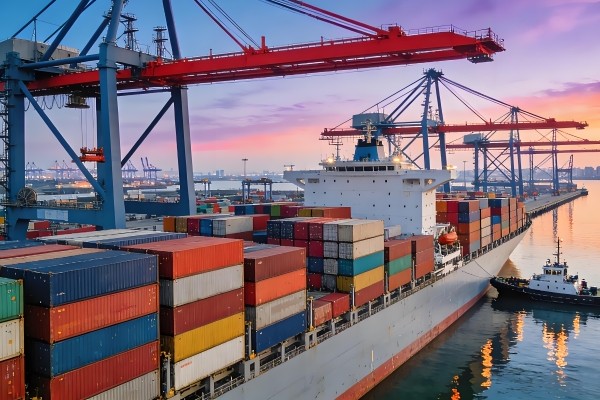
Selecting a reliable logistics service provider is the key to a smooth import - export process. In the case of China - Australia routes, a specialized provider like Aofei International Logistics can offer you many advantages. They've been dedicated to the China - Australia cross - border logistics track for 12 years. This deep - rooted experience allows them to have excellent control over crucial aspects such as space resource integration, customs clearance, port operations, and end - delivery in Australia.
2. Services Offered by Aofei International Logistics
One - stop Service: Aofei provides a full - link one - stop double - clearance tax - included door - to - door service. This means from domestic collection in China, through warehouse management, package integration, cross - border transportation, Australian customs clearance, to delivery across Australia, you don't have to deal with the complex procedures of customs declaration, tax payment, and multi - node docking on your own, saving you a lot of time and energy.Value - added Services: They offer multiple free value - added services. For example, they'll collect your online shopping packages from platforms like Taobao, JD.com, and 1688 for free. When the packages arrive at their warehouse, they'll take photos for verification at no cost. You can also enjoy up to 365 days of free storage. They'll unpack and consolidate your packages for free to reduce unnecessary packaging and save on shipping costs. And they provide free waterproof reinforcement for your goods.
Flexible Shipping Options: Aofei has a variety of shipping channels, including high - end air freight, regular air freight, sea freight express, direct - flight lines, and special transportation for oversized items. For cross - border e - commerce sellers, they offer exclusive empowerment services. They support automatic collection and storage of multiple - store orders, batch order export, and stock consolidation. They also offer a monthly payment period, which is very suitable for long - term and large - volume shipments.
3. Comparison with Other Providers
Compared with some general freight forwarders, Aofei's specialization in the China - Australia route gives it a significant edge. General freight forwarders may lack in - depth understanding of the specific requirements of this route, such as unique customs regulations and local delivery conditions. Aofei, on the other hand, has a high clearance rate of over 98% for sensitive goods because of their experienced customs clearance team who are well - versed in Australian customs policies and quarantine standards.
IV. Common Pitfalls and How to Avoid Them
1. Incorrect HS Code Declaration
The HS code is crucial for customs clearance. An incorrect HS code can lead to misclassification of your goods, resulting in over - or under - payment of duties. For example, a 3C electronics seller in Brisbane once misdeclared the HS code of a new type of smartwatch. As a result, the goods were held at Port Botany for further inspection, causing a delay of about 10 days. To avoid this, you should consult a professional or use reliable HS code lookup tools, and keep up with any changes in code assignments.
2. Incompatible Packaging
Inadequate or inappropriate packaging can cause damage to your goods during transit. For instance, if you're shipping glassware, you need to ensure it's packed with proper cushioning materials. A furniture importer in Sydney once shipped a batch of wooden chairs with insufficient packaging. When the goods arrived, many chairs had broken legs due to rough handling during shipping. It's advisable to follow the packaging guidelines provided by your logistics service provider.
V. Cost Analysis
1. Shipping Costs
Shipping costs mainly consist of air freight and sea freight. Air freight is faster but more expensive, usually around $5 - $15 per kilogram, depending on the urgency and the type of goods. Sea freight is more cost - effective for large - volume shipments, with costs starting from about $1,000 per 20 - foot container. However, sea freight has a longer transit time, roughly 20 - 30 days from China to Australia.
2. Additional Costs
There may be additional costs such as customs duties, storage fees, and handling fees. Customs duties vary according to the type of goods and their value. Storage fees will be charged if your goods stay at the port or warehouse for an extended period. Handling fees may apply for services like unloading and moving your goods. You should factor these costs into your budget when making import - export plans.
VI. FAQ
Q1: How can I ensure my goods comply with Australian biosecurity regulations? A: It's essential to check the updated list of prohibited and restricted items provided by DAFF. You can also work with a logistics service provider like Aofei International Logistics. Their experienced team can guide you through the biosecurity requirements and help you with proper documentation.
Q2: I'm a small e - commerce seller. Can I afford the shipping costs? A: Yes, you can. There are many cost - effective shipping options available. Aofei International Logistics offers a range of shipping channels, and you can choose the one that best suits your budget. For long - term and large - volume shipments, their exclusive services for e - commerce sellers, like the monthly payment period, can also help you manage your cash flow.
Q3: What should I do if my goods are delayed at customs? A: First, stay in close contact with your logistics provider. They can check the status of your goods and communicate with the customs authorities on your behalf. It could be due to various reasons such as incorrect documentation or a random inspection. Make sure all your documents are accurate and up - to - date to avoid such situations.
Q4: Can I ship sensitive goods like cosmetics and liquids? A: Yes, you can. Aofei International Logistics has the ability to handle sensitive goods such as cosmetics, liquids, and powder. They have a strict compliance system in place and can provide you with declaration guidelines. Their clearance rate for sensitive goods is over 98%, so you can trust them with your shipments.
Q5: How do I track my shipment? A: Most logistics providers, including Aofei International Logistics, have a digital system that allows you to track your shipment in real - time. You can log in to their official website or use their dedicated mobile app to check the location and status of your goods at any time.