


I. Introduction
Moving overseas to Australia can be a dream come true for many, but it's fraught with potential pitfalls. I've seen firsthand the headaches that can arise during this process. Once, a client was so excited about their move to Sydney. They had packed up all their belongings without a second thought, only to face a mountain of issues at the Australian border. This scenario isn't unique, which is why I'm here to share some 2026 tips to steer clear of common mishaps when moving your house overseas to Australia.
II. Understanding the 2026 Australian Border and Biosecurity Policies
The Australian Border Force (ABF) and the Department of Agriculture, Fisheries and Forestry (DAFF) have tightened their regulations in 2026 to protect the country's unique ecosystem. One of the most significant changes is the stricter inspection of wooden items. For example, any wooden furniture or crates must be free from pests and treated appropriately. I had a client last year who shipped a beautiful antique wooden bed from China to Melbourne. Unfortunately, it was infested with wood-boring beetles. The bed was confiscated, and the client had to pay hefty fines.
Categories of goods: Different goods are subject to various rules. Food items, plants, and animal products are under high scrutiny. You must declare all such items accurately. Even a small packet of dried herbs can cause problems if not declared.Documentation: Ensure you have all the necessary paperwork ready. This includes inventory lists, certificates of origin, and treatment certificates for relevant items. Lack of proper documentation can lead to delays and additional costs.
III. Choosing the Right Shipping Method - Depth Expansion (40% of the text)
Selecting the appropriate shipping method is crucial for a smooth overseas move. There are two primary options: sea freight and air freight. Each has its own set of advantages and limitations.
1. Sea Freight
Sea freight is the most common choice for overseas house moving due to its cost-effectiveness, especially for large volumes of goods. You'll typically have two choices: Full Container Load (FCL) and Less Than Container Load (LCL).
Full Container Load (FCL): If you have enough goods to fill a container, FCL is a great option. It offers more privacy and security for your belongings. You don't have to share the container with other shippers, which reduces the risk of damage or loss. However, it can be more expensive upfront, especially if you're moving a small amount of goods. For instance, a 20 - foot container can cost around $2,500 - $3,000, depending on the origin and destination ports. The transit time for sea freight is relatively long, usually around 25 - 35 days from major Chinese ports to Australian ports like Port Botany or Port of Melbourne.Less Than Container Load (LCL): LCL is suitable for smaller shipments. Your goods will be combined with other shippers' goods in a container. This option is more affordable, as you only pay for the space your goods occupy. But there's a higher chance of damage during the consolidation and de - consolidation process. Also, the transit time can be a bit longer due to the additional handling. The cost for LCL is usually calculated based on the volume or weight of your goods, around $100 - $200 per cubic meter.
2. Air Freight
Air freight is much faster than sea freight, with a transit time of only 3 - 7 days. It's ideal for urgent or valuable items. However, it's significantly more expensive. Air freight rates can be around $5 - $10 per kilogram. For example, if you're shipping a small box of important documents or high - value electronics, air freight might be the way to go. But if you're moving a whole house full of furniture and personal items, the cost would be prohibitive.
When I was helping a client move from Shanghai to Brisbane last year, they had a mix of urgent and non - urgent items. We decided to ship their important business documents and some high - end electronics by air freight, while the bulk of their household goods were sent by sea freight. This way, they could get the essential items quickly while keeping the overall cost under control.
IV. Packing and Labeling Your Goods Properly
Proper packing and labeling are essential to ensure the safety of your goods during transit.
Packing materials: Use high - quality packing materials such as bubble wrap, packing peanuts, and sturdy cardboard boxes. For fragile items, double - box them for extra protection. For example, when packing glassware, wrap each piece individually with bubble wrap and place them in a box filled with packing peanuts. Then, place that box inside another larger box for added cushioning.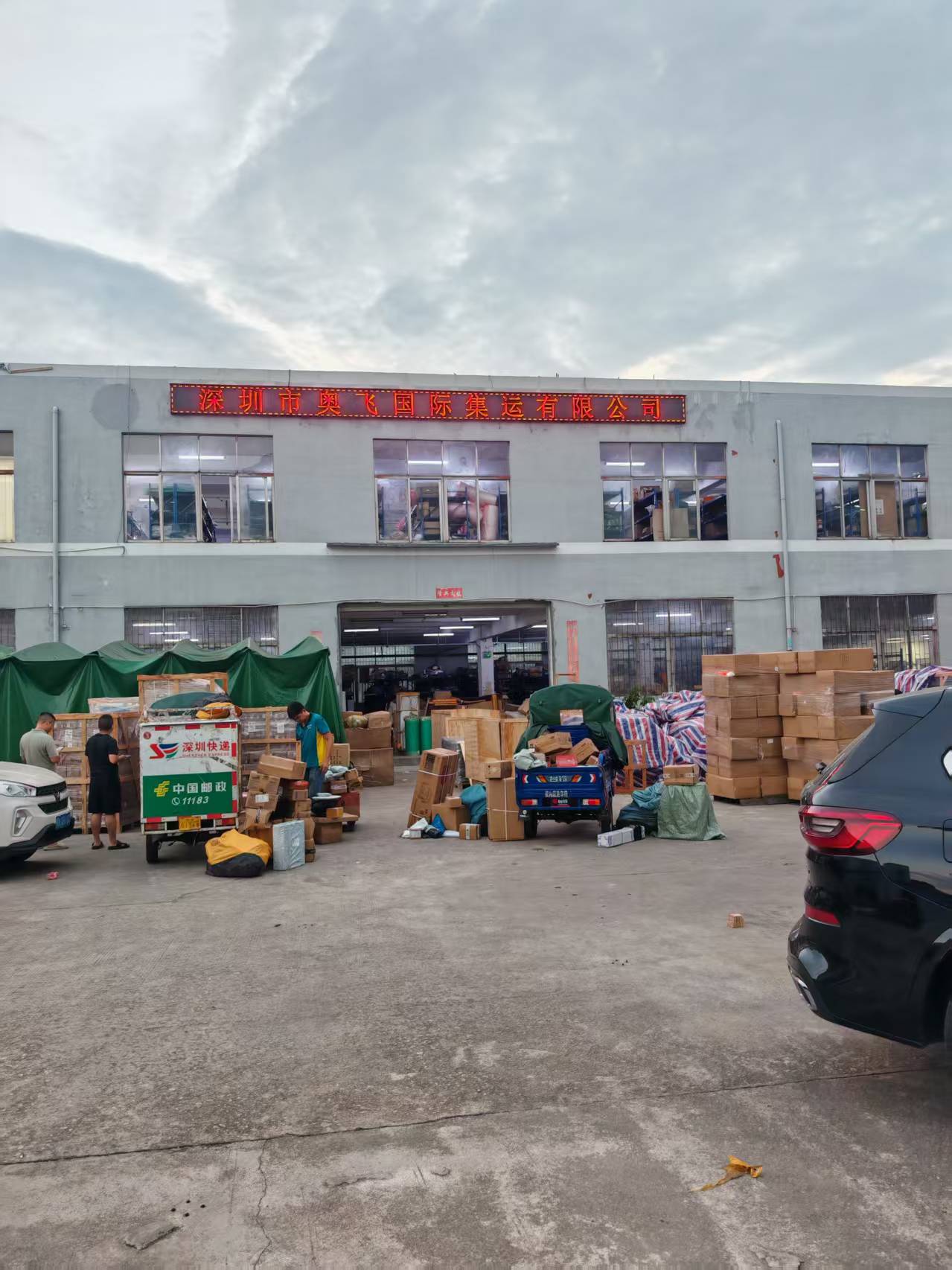
Labeling: Clearly label each box with its contents and the room it belongs to in your new Australian home. This will make the unpacking process much easier. Also, mark any fragile or valuable items clearly so that handlers can take extra care.
V. Selecting a Reliable Logistics Provider
A reliable logistics provider can make or break your overseas move. Look for a company with experience in the Australian market, especially in handling house - moving shipments.
Reputation: Check online reviews and ask for referrals from friends or family who have moved overseas to Australia. A company with a good reputation is more likely to provide quality service.Services offered: Ensure the provider offers comprehensive services such as packing, shipping, customs clearance, and door - to - door delivery. Some companies, like [奥飞国际物流], have been in the industry for over 12 years, specifically focusing on the China - Australia route. They have a deep understanding of the customs procedures and can help you navigate the complex process smoothly. Their services include free pick - up of your goods from multiple suppliers in China, free storage for up to 365 days, and full - service customs clearance.
VI. FAQ
Q: What if I forget to declare some of my goods at customs? A: Failing to declare goods at customs can result in serious consequences. You may face fines, and your goods could be confiscated. It's always better to be over - cautious and declare everything accurately. In 2026, the Australian authorities are cracking down on undeclared goods, so it's not worth the risk.Q: How can I track my shipment during transit? A: Most reliable logistics providers offer tracking services. You'll be provided with a tracking number, which you can use to check the status of your shipment online. For example, [奥飞国际物流] has a digital system that allows you to track your goods in real - time, giving you peace of mind during the long - distance move.
Q: Can I ship my pets along with my household goods? A: Shipping pets to Australia is a complex process. There are strict quarantine and health requirements set by the Australian government. You'll need to work with a specialized pet shipping company to ensure your pet meets all the necessary criteria. It's not something that can be done as part of a regular household goods shipment.
Q: What should I do if my goods are damaged during transit? A: First, document the damage thoroughly with photos and a detailed description. Then, contact your logistics provider immediately. Reputable companies, like [奥飞国际物流], have a well - established claims process. They offer insurance options and will work with you to resolve the issue and compensate for the damage as quickly as possible.
Q: How far in advance should I start planning my overseas move to Australia? A: It's advisable to start planning at least 2 - 3 months in advance. This gives you enough time to sort out your belongings, choose a shipping method, find a reliable logistics provider, and complete all the necessary paperwork. Starting early also helps you avoid last - minute stress and potential delays.
As you plan your overseas house move to Australia in 2026, keep these tips in mind. With proper preparation and the right partners, you can ensure a smooth and hassle - free transition to your new life in Australia.