


I. Introduction
Hey there, Australian small business owners, importers, and e - commerce sellers! As a seasoned player in the China - Australia cross - border logistics arena, I've witnessed firsthand the ups and downs of unaccompanied baggage services. With the 2026 Australia Border Force (ABF) new policies and some industry changes, it's more crucial than ever to steer clear of common pitfalls. In this article, I'll share some insights based on real - world experiences.
II. Understanding the 2026 Policies
The first time I ran into the 2026 policies, it was like deciphering a complex code. The Australian Border Force (ABF) has updated several regulations related to unaccompanied baggage. For instance, there are stricter rules regarding biosecurity. Under the new policies, any food, plant, or animal products must be declared precisely. Failing to do so can result in hefty fines and even the seizure of your goods.
Another important aspect is the valuation of goods. The customs valuation rules have been refined. You need to provide accurate invoices and descriptions of your items to avoid over - or under - valuation, which could lead to additional customs duties or delays.
III. Common Pitfalls and How to Avoid Them
1. Inaccurate Documentation
I had a client back in 2024 who was an apparel importer in Sydney. They were shipping a large batch of clothing as unaccompanied baggage. However, they filled out the documentation carelessly. The description of the clothing was too vague, and the quantity and value were misstated. As a result, the shipment was held up at Port Botany for over two weeks. The client had to pay extra storage fees and faced a lot of inconvenience.
To avoid this, make sure you double - check all your documents. Provide detailed descriptions of your goods, including the material, color, and style. Use the correct HS codes for each item. And always ensure that the quantity and value match the actual shipment.
2. Biosecurity Mishaps
A home goods seller in Melbourne once shipped some bamboo - made handicrafts. They didn't realize that bamboo is a plant product and didn't declare it properly. When the shipment arrived at the Port of Melbourne, the ABF officers found the bamboo items during a routine inspection. The entire shipment was quarantined, and the goods had to undergo additional treatment, which cost the seller a significant amount of money and time.
To prevent biosecurity issues, before shipping, research which items fall under the biosecurity category. Declare all relevant items truthfully and provide any required certificates. If you're unsure, consult with a professional logistics provider.
3. Incorrect Shipping Method Selection
Some importers choose the wrong shipping method due to a lack of understanding. For example, a 3C electronics seller in Brisbane needed to ship a batch of urgently needed mobile phone parts. Instead of choosing air freight, they opted for sea freight to save costs. As a result, the parts arrived much later than expected, causing production delays and lost business opportunities.
When selecting a shipping method, consider the nature of your goods, the urgency of delivery, and your budget. If your goods are high - value, perishable, or time - sensitive, air freight might be a better choice. For larger, non - urgent shipments, sea freight could be more cost - effective.
IV. The Benefits of Choosing a Professional Logistics Provider
I've seen firsthand how a good logistics provider can make a world of difference. Take [奥飞国际物流] for example. They've been in the China - Australia cross - border logistics business for 12 years. They have a deep understanding of the 2026 policies and can handle all the documentation and customs clearance processes smoothly.
One of their significant advantages is their expertise in biosecurity declarations. Their team knows exactly what needs to be declared and how to do it correctly, which helps avoid potential biosecurity issues. They also offer a wide range of shipping methods, from high - end air freight to cost - effective sea freight, allowing you to choose the most suitable option for your business.
Moreover, [奥飞国际物流] provides many free value - added services. They'll代收 your packages from various Chinese e - commerce platforms, take photos of the goods upon arrival at their warehouse, and store them for up to 365 days for free. They also offer free packaging optimization to reduce shipping costs.
V. FAQs
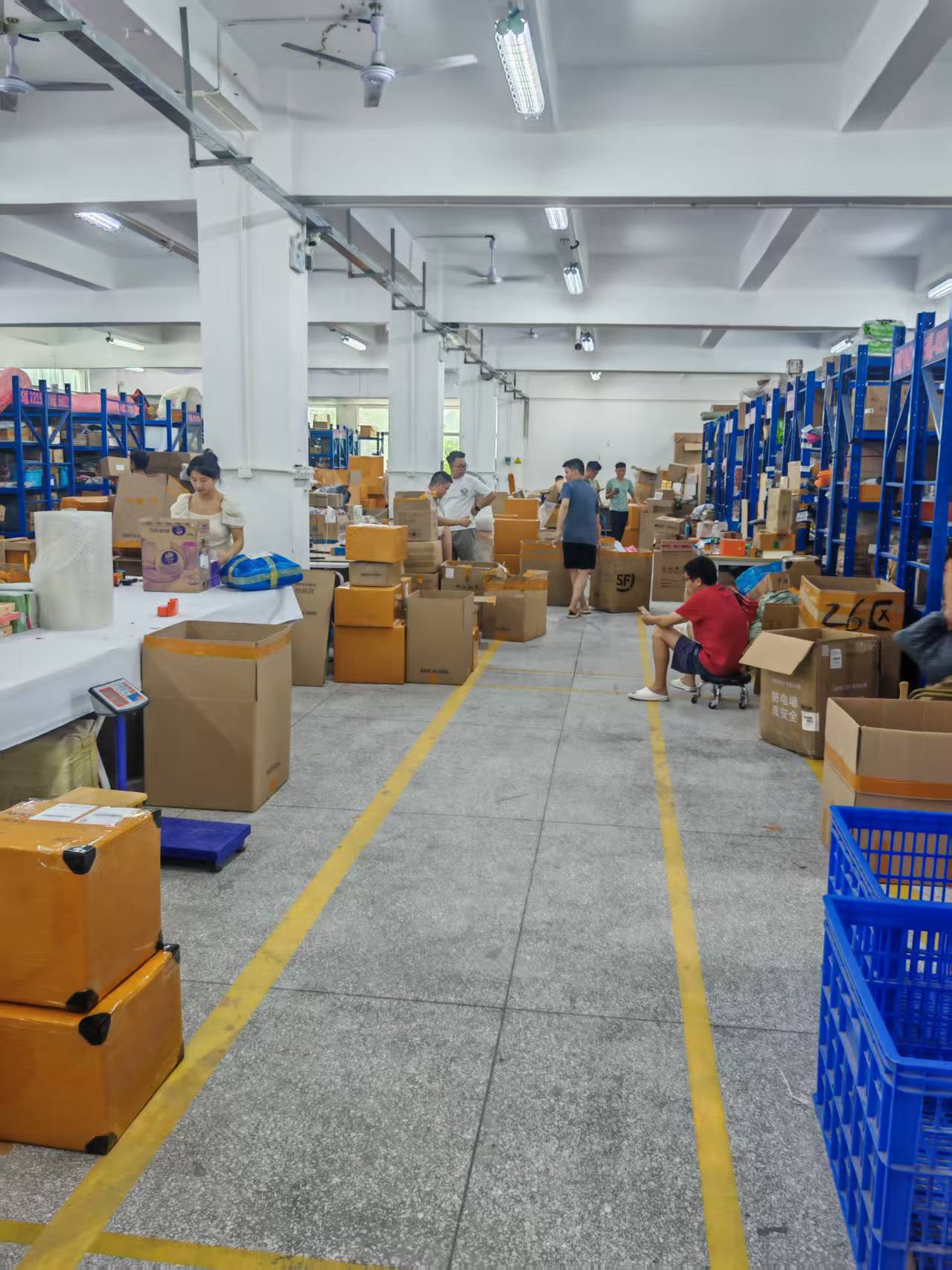
Q1: What if I've already made a mistake in my documentation? A: If you've made a mistake in your documentation, contact the Australian Border Force as soon as possible. Explain the situation honestly and provide the correct information. In some cases, you might be able to rectify the issue without severe consequences. However, if the mistake is intentional or significant, you could face penalties. A professional logistics provider like [奥飞国际物流] can also assist you in dealing with such situations.
Q2: How can I ensure my goods pass the biosecurity inspection? A: First, research the biosecurity regulations thoroughly. Declare all relevant items accurately. If your goods are subject to biosecurity requirements, make sure they meet the necessary standards. You can also work with a logistics provider with experience in biosecurity compliance. [奥飞国际物流] has a team of experts who can guide you through the process and ensure your goods are properly prepared for inspection.
Q3: Is it expensive to use a professional logistics provider? A: While using a professional logistics provider may seem like an additional cost, it can actually save you money in the long run. They can help you avoid costly mistakes such as customs delays, fines, and incorrect shipping method selection. [奥飞国际物流] offers transparent pricing with no hidden fees. They also have a standardized billing system and offer discounts for large - volume shipments.
Q4: Can I track my unaccompanied baggage during transit? A: Most professional logistics providers, including [奥飞国际物流], offer a digital tracking system. You can monitor the status of your shipment in real - time, from the moment it leaves China to its arrival in Australia. This allows you to stay informed and plan accordingly.
Q5: What should I do if my goods are seized at customs? A: If your goods are seized at customs, don't panic. Contact the Australian Border Force to find out the reason for the seizure. If it's due to a misunderstanding or a minor issue, you may be able to resolve it by providing the necessary documentation or making corrections. A logistics provider can also help you communicate with the customs authorities and represent your interests. [奥飞国际物流] has a dedicated customer service team that can assist you in such situations.
In the ever - changing landscape of China - Australia unaccompanied baggage services, staying informed and making smart choices are key to avoiding pitfalls and ensuring the smooth flow of your goods. By following the tips in this article and considering a professional logistics partner, you'll be well - on your way to successful cross - border shipping.