


Introduction
Shipping home contents to Australia can seem like a daunting task, especially with the constantly evolving regulations and potential risks. In 2026, there are several changes in policies and common pitfalls that Australian small business owners, importers, and e - commerce sellers, particularly those dealing with home goods, need to be aware of. As someone with years of experience in the cross - border logistics field between China and Australia, I've seen countless cases where shipments faced delays, damages, or even were seized due to preventable mistakes.
I. Common Mistakes in Documentation
Incorrect HS Codes: HS codes are crucial for customs clearance as they determine the duties and taxes applicable to your goods. In 2026, the Australian Border Force (ABF) has updated some of the HS code regulations. For example, I had a client back in 2023 who was shipping bamboo furniture. They misclassified it using an incorrect HS code. As a result, their shipment was held at Port Botany for over 10 days while the customs officers verified the correct classification. The client then had to pay additional storage fees and faced a delay in getting the goods to their Melbourne store. To avoid this, take the time to accurately research and classify your goods according to the new 2026 HS code guidelines.Missing or Incomplete Documentation: This is a frequent issue. All shipments to Australia require a commercial invoice, packing list, and a certificate of origin in most cases. One time, an apparel importer from Sydney sent a shipment without a proper certificate of origin. The goods were stuck at the Brisbane port until they could provide the missing document. It cost the importer unnecessary time and money. Make sure to double - check all the required documents before sending your shipment.
II. Non - compliance with Biosecurity Regulations
Failure to Declare Restricted Items: Australia has strict biosecurity regulations to protect its unique ecosystem. Items such as wooden products, food items, and plants need to be declared properly. I once assisted a home goods seller shipping from China to Sydney. They had some wooden figurines in their shipment but didn't declare them correctly. The Australian Department of Agriculture, Fisheries and Forestry (DAFF) found them during inspection and imposed a fine. The shipment was also subjected to additional treatment, which delayed its delivery. Always be honest and accurate when declaring restricted items.Lack of Proper Quarantine Treatments: For certain goods, like wooden furniture, it may need to undergo heat treatment or fumigation. If these treatments are not carried out correctly or not documented properly, the goods will not pass the biosecurity check. In 2026, DAFF has tightened the requirements for these treatments. For instance, a trade factory in China shipping a large batch of wooden cabinets to Melbourne didn't follow the updated fumigation process. The entire shipment was rejected at the port, and the factory had to arrange for re - treatment at their own expense.
III. Incorrect Packaging and Labeling
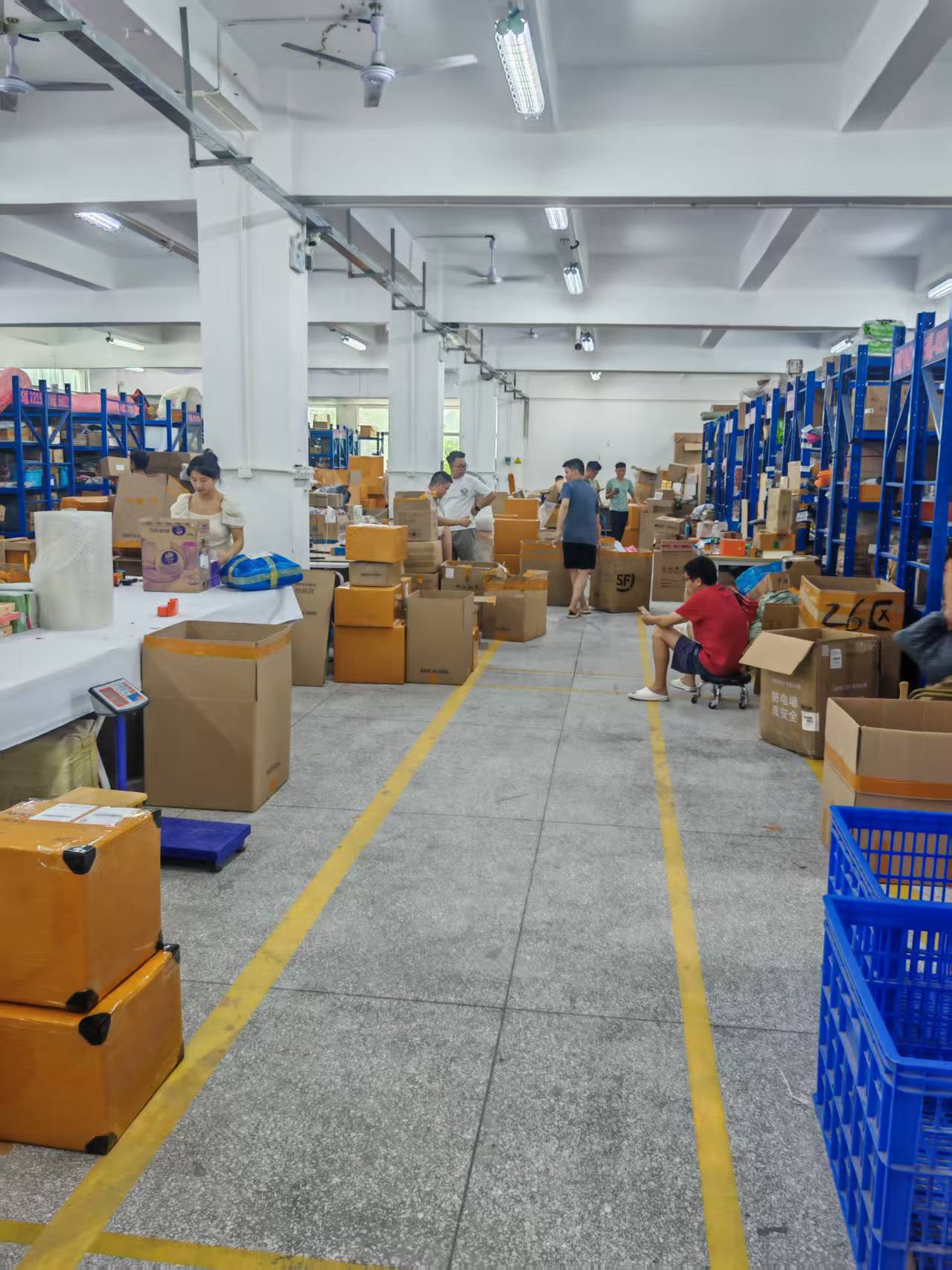
Missing or Incorrect Labeling: Clear and correct labeling is essential. Labels should include details such as the destination address, handling instructions, and contents of the package. An e - commerce seller once sent a shipment to Sydney with incorrect labeling. The carrier misrouted the package, and it took an extra 14 days to reach the destination. Ensure that all labels are legible and accurate.
IV. Not Choosing the Right Logistics Provider
Lack of Experience in the Australia Route: Many logistics providers claim to offer international shipping services, but not all have in - depth knowledge of the Australia - specific regulations and procedures. In 2026, with the new policies in place, it's even more crucial to choose a provider with experience in the Australia route. I worked with an importer who selected a general logistics company without much Australia - specific experience. The shipment faced multiple issues, including long customs clearance times and incorrect documentation handling. As a result, the importer's inventory was delayed, and they lost potential sales.Poor Customer Service and Tracking: A reliable logistics provider should offer good customer service and real - time tracking. If you can't easily reach your provider when you have an issue, or if you can't track your shipment accurately, it can create a lot of stress. I've seen cases where e - commerce sellers were left in the dark about the status of their shipments for days because their logistics provider had a poor tracking system. This can lead to dissatisfied customers and lost business opportunities.
V. Cost - related Pitfalls
Underestimating Additional Costs: When shipping home contents to Australia, there are often additional costs such as customs duties, taxes, and storage fees. In 2026, the Australian government has adjusted some of the duty rates. Some small business owners and importers only consider the basic shipping cost and are caught off - guard by these additional expenses. For example, a home goods seller shipping a large consignment to Melbourne underestimated the customs duties. They didn't have enough funds to pay the duties at the port, and the goods were held until they could arrange the payment. This led to significant delays.Not Comparing Shipping Quotes: Many shippers make the mistake of choosing the first logistics provider they come across without comparing quotes. Different providers may offer different rates and services. By not shopping around, you may end up paying more than necessary. I once had a client who could have saved over 20% on their shipping cost if they had compared quotes from multiple providers.
FAQ
What are the most important documents I need for shipping home contents to Australia? You'll need a commercial invoice, packing list, and a certificate of origin. These documents are crucial for customs clearance. Make sure all the information on them is accurate and up - to - date.How can I ensure my goods pass the biosecurity check in Australia? First, accurately declare all restricted items. Second, follow the proper quarantine treatments if required. For example, if you're shipping wooden products, make sure they've been heat - treated or fumigated according to DAFF standards and have the relevant documentation to prove it.
What should I do if I've chosen a bad logistics provider? If you find that your current logistics provider is causing problems, like long delays or poor customer service, you should start looking for a new one. Check their experience in the Australia route, customer reviews, and the services they offer.
How can I estimate the additional costs like customs duties and taxes? You can use online calculators provided by the Australian Border Force or consult a professional customs broker. They can help you estimate these costs based on the value and type of your goods.
Can I ship sensitive items like cosmetics and liquids to Australia? Yes, you can, but you need to ensure that they comply with Australian regulations. A reliable logistics provider like Aofei International Logistics can offer guidance on shipping sensitive items, as they have experience dealing with the compliance requirements and can help you with proper documentation.
When shipping home contents to Australia in 2026, being aware of these potential pitfalls and taking proactive steps to avoid them can save you time, money, and a lot of headaches. Always do your research, choose the right partners, and follow the regulations carefully.