


I. Introduction
Hey there, Aussie small business owners, importers, and e - commerce sellers! In 2026, low - cost consolidation shipping to Australia seems like an attractive option, right? But it's not all smooth sailing. I've been in the cross - border logistics game for a while, and I've seen many fall into the traps of this seemingly cost - effective shipping method. Let me share some insights to help you avoid those pitfalls.
II. Common Pitfalls in Low - cost Consolidation Shipping
Hidden Costs In my experience, one of the biggest headaches is hidden costs. Many low - cost consolidation services advertise a very cheap base rate, but then you get hit with fees for things like storage, handling, or customs clearance that weren't clearly stated upfront. For example, I had a client back in 2024 who was importing home goods from China to Sydney. The shipping quote seemed great, but when the goods arrived at Port Botany, there were unexpected storage fees because the consolidation service had a long backlog of handling the cargo. The final cost ended up being much higher than the initial quote.Delays Another common issue is delays. Low - cost services often cut corners, which can lead to longer transit times. They might use slower shipping routes or not prioritize your cargo. A 3C electronics seller I worked with wanted to get their products to Melbourne quickly. They chose a low - cost consolidation service, thinking they could save some money. But the shipment got stuck in transit for roughly 14 days longer than expected. This delay meant they missed a big sales window, and they lost out on a lot of potential revenue.
Poor Customer Service When things go wrong, you need good customer service. Unfortunately, many low - cost consolidation providers don't offer great support. I've seen cases where clients had issues with damaged goods, but the service provider was unresponsive or difficult to reach. It can be a nightmare when you're trying to resolve a problem and the company just doesn't seem to care.
III. How to Avoid These Pitfalls (This section will be the in - depth part, taking up about 40% of the article)
Understand the Pricing Structure Before you sign up with a consolidation service, ask for a detailed breakdown of all the costs. This should include the shipping fee, handling charges, customs clearance fees, and any potential storage fees. Let's say you're an apparel importer. You plan to ship a batch of clothing from China to Brisbane. You get a quote from a low - cost service. But don't just take it at face value. Ask for a list of every single possible charge. Some services will charge extra for repackaging, especially if your goods are irregularly sized. By knowing all the costs upfront, you can avoid unpleasant surprises later.Also, be wary of prices that seem too good to be true. If a service is offering a rate that's significantly lower than others, there's probably a catch. They might be cutting corners in areas that will end up costing you more in the long run, like using a less reliable shipping line.
Research the Service Provider Look into the reputation of the consolidation service. Check online reviews from other customers. You can also ask for references and talk to other business owners who have used the service. For example, if you find a provider that offers low - cost shipping to Sydney, look up their reviews on business forums or social media groups. See what other importers have to say about their experiences. Were there any issues with delays, damage, or hidden fees? A provider with a lot of negative reviews is probably not worth your time.
It's also important to check if the service has the necessary licenses and certifications. In 2026, there are stricter regulations from the Australian Border Force (ABF) and the Department of Agriculture, Fisheries and Forestry (DAFF). A reliable provider should be able to comply with all these regulations. For instance, they need to handle quarantine requirements properly, especially if you're importing goods that are subject to biosecurity checks, like certain food items or wood products.
Check the Transit Time and Shipping Routes Make sure you understand the expected transit time. A good service will give you a realistic estimate, not just a best - case scenario. If you need your goods to arrive by a certain date, like for a big sale or a project deadline, ask if the service can guarantee the delivery time. If they can't, you might need to look for a more reliable option.
Also, inquire about the shipping routes. Some low - cost services might use longer or less direct routes to save money. This can increase the risk of delays and damage to your goods. For example, a shipping route that involves multiple trans - shipments might be more prone to issues like misplacement of cargo.
Get Clear on Customer Service Find out what kind of customer service the provider offers. Do they have a dedicated support team? What are their response times? You want to know that if something goes wrong, you can get in touch with someone quickly. For example, if your shipment is damaged during transit, you need to be able to report the issue and get a prompt response on how to resolve it. A service that offers 24/7 support is ideal, especially if you're dealing with international shipments and time zones can be a factor.
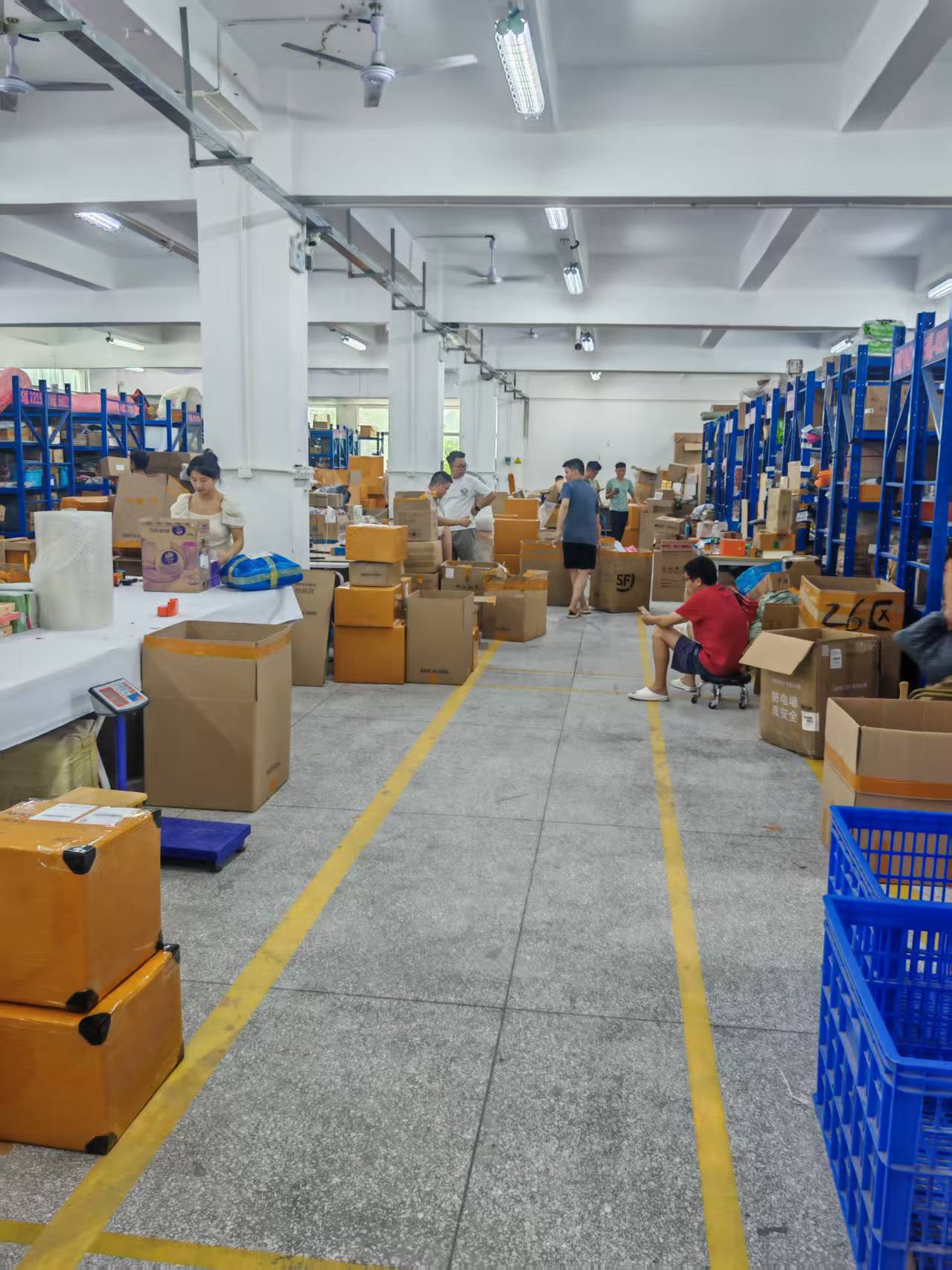
IV. The Role of New Policies in 2026
In 2026, there are some significant policy changes that can affect low - cost consolidation shipping. The Australian Border Force has tightened up its regulations regarding customs declarations and inspections. This means that your consolidation service needs to ensure accurate and detailed documentation. For example, incorrect HS codes can lead to delays at the border, as the ABF may need to conduct further inspections to determine the correct classification of your goods.
The DAFF has also updated its biosecurity rules. If you're importing goods that could pose a risk to Australia's environment or agriculture, like plant - based products or certain types of soil, the consolidation service needs to follow strict quarantine procedures. This includes proper cleaning and treatment of the goods to prevent the introduction of pests and diseases.V. Choosing a Reliable Consolidation Service: A Case in Point
Let's take the example of a trade factory in China that wants to ship its products to the Port of Melbourne. They initially considered a very low - cost consolidation service that promised quick delivery at a fraction of the price of other providers. But after doing their research, they found that the service had a lot of negative reviews regarding delays and hidden fees.
Instead, they chose [奥飞国际物流]. This company has been in the business for 12 years, specializing in the China - Australia route. They offered a transparent pricing structure, with no hidden fees. Their experienced team was well - versed in the 2026 customs and biosecurity regulations, ensuring a smooth clearance process. The transit time was also reliable, and they had a great customer service team that was always available to answer questions. As a result, the trade factory's products arrived on time, and they were able to avoid all the common pitfalls associated with low - cost consolidation shipping.VI. FAQ
Q: How can I tell if a low - cost consolidation service is hiding fees? A: Well, you've got to ask for a detailed breakdown. Don't be afraid to be specific. Ask about every single charge they can think of, including things like storage, handling, and customs clearance. If they're hesitant to provide a clear list, that's a red flag.Q: What if my goods are damaged during transit with a low - cost service? A: First, check their claims process. A good service will have a clear and straightforward way to file a claim. But be aware that some low - cost providers might try to avoid paying out. That's why it's important to choose a reliable service like [奥飞国际物流], which has a solid claims process and a reputation for taking care of its customers.
Q: Can I trust the transit time estimates given by low - cost consolidation services? A: It depends. Some might give you a realistic estimate, but others could be overly optimistic to get your business. Do your research and ask for references. If possible, look at their past performance. A service with a history of delays might not be reliable.
Q: How do the 2026 policies affect my low - cost consolidation shipping? A: The new policies from the ABF and DAFF are more strict. Your service provider needs to ensure proper documentation and compliance with biosecurity rules. If they don't, you could face delays, fines, or even have your goods seized at the border. So, choose a provider that is up - to - date with all the regulations.
Q: Is it worth paying a bit more for a more reliable consolidation service? A: Absolutely! In the long run, a reliable service can save you a lot of headaches. You won't have to deal with hidden costs, delays, or poor customer service. It's like an investment in the smooth operation of your business. So, if you want to avoid the common pitfalls of low - cost shipping, it might be worth paying a bit extra for quality.