


I. Introduction
Shipping household goods to Australia is a common need for many small business owners, importers, and e - commerce sellers. However, with the new regulations and potential risks in 2026, it's crucial to know what pitfalls to avoid, especially when it comes to insuring these shipments. I've seen firsthand how a single oversight can lead to significant losses and headaches for my clients.
II. Common Pitfalls in Insurance for Shipping Household Goods to Australia in 2026
1. Inadequate Coverage
Problem: Many shippers opt for the minimum insurance coverage to save costs. But in 2026, with stricter Australian Border Force (ABF) regulations and potential delays due to biosecurity checks, the risk of damage or loss has increased. For example, a home goods seller in Sydney, who was importing a large batch of furniture from China, only insured the goods for their basic purchase price. During transit, the ship encountered a severe storm, and some of the furniture was damaged. Since the insurance only covered the purchase price, it didn't account for the additional costs of shipping, customs duties, and potential loss of business due to the delay.Solution: Assess the full value of your shipment, including the cost of the goods, shipping fees, customs duties, and potential loss of business. Consider getting all - risk insurance, which provides comprehensive coverage against a wide range of perils, rather than just basic coverage.
2. Ignoring Policy Exclusions
Problem: Insurance policies often have exclusions, and shippers may not read these carefully. In 2026, new biosecurity - related exclusions have been added. For instance, if your shipment contains items that are not properly declared or do not meet the biosecurity standards of the Department of Agriculture, Fisheries and Forestry (DAFF), the insurance may not cover any losses related to the seizure or destruction of these items. I had a client back in 2026 who shipped a consignment of wooden handicrafts without proper treatment certificates. The DAFF seized the goods, and the insurance company refused to pay because it was an excluded event.Solution: Thoroughly read and understand the insurance policy, especially the exclusion clauses. Make sure your shipment complies with all relevant Australian regulations, including biosecurity and customs requirements.
3. Incorrect Valuation of Goods
Problem: Shippers may undervalue or overvalue their goods when insuring them. Undervaluing can lead to insufficient compensation in case of loss or damage. On the other hand, overvaluing may result in higher insurance premiums without any additional benefit. A 3C electronics seller in Melbourne once overvalued a shipment of smartphones to get a higher - end insurance policy. When a small portion of the phones was damaged during transit, the insurance adjuster found the overvaluation and adjusted the compensation accordingly, leaving the seller out - of - pocket for the excess premium paid.Solution: Conduct a proper valuation of your goods based on the current market price, taking into account any discounts, shipping costs, and taxes. Provide accurate documentation to support the valuation to the insurance company.
4. Not Updating Insurance for Policy Changes
Problem: Insurance policies can change from year to year, and in 2026, there have been several significant updates due to new Australian regulations. Shippers who continue to rely on old insurance policies may find themselves under - insured or facing unexpected exclusions. For example, some policies have changed their definitions of "loss" to include delays caused by new biosecurity inspections, which were not previously covered. A trade factory in Brisbane that had an old insurance policy was not aware of this change and suffered losses due to a long - term delay in customs clearance.Solution: Regularly review and update your insurance policies. Stay informed about any regulatory changes in Australia and how they may affect your shipping insurance.
III. The Role of a Reliable Logistics Partner in Insurance
1. Expert Advice
A reliable logistics partner, like Aofei International Logistics, can provide expert advice on insurance. They have in - depth knowledge of the Australian market and the latest regulations. For example, they can help you understand the different types of insurance available, such as FPA (Free from Particular Average), WPA (With Particular Average), and All Risks, and recommend the most suitable one for your shipment.
2. Assistance in Documentation
Logistics partners can assist you in preparing the necessary documentation for insurance claims. They know what information the insurance company requires and can ensure that all the details are accurate and complete. This can significantly speed up the claims process in case of loss or damage.
3. Risk Assessment
They can also conduct a risk assessment of your shipment. Based on the type of goods, the shipping route, and the current market conditions, they can identify potential risks and suggest appropriate risk - mitigation strategies, such as additional packaging or choosing a more reliable shipping carrier.
IV. Cost - Benefit Analysis of Insurance
1. Premium Costs
The cost of insurance premiums can vary depending on several factors, such as the value of the goods, the type of coverage, and the shipping route. Generally, all - risk insurance is more expensive than basic coverage, but it provides broader protection. Shippers need to balance the premium costs with the potential losses they may face.
2. Potential Losses
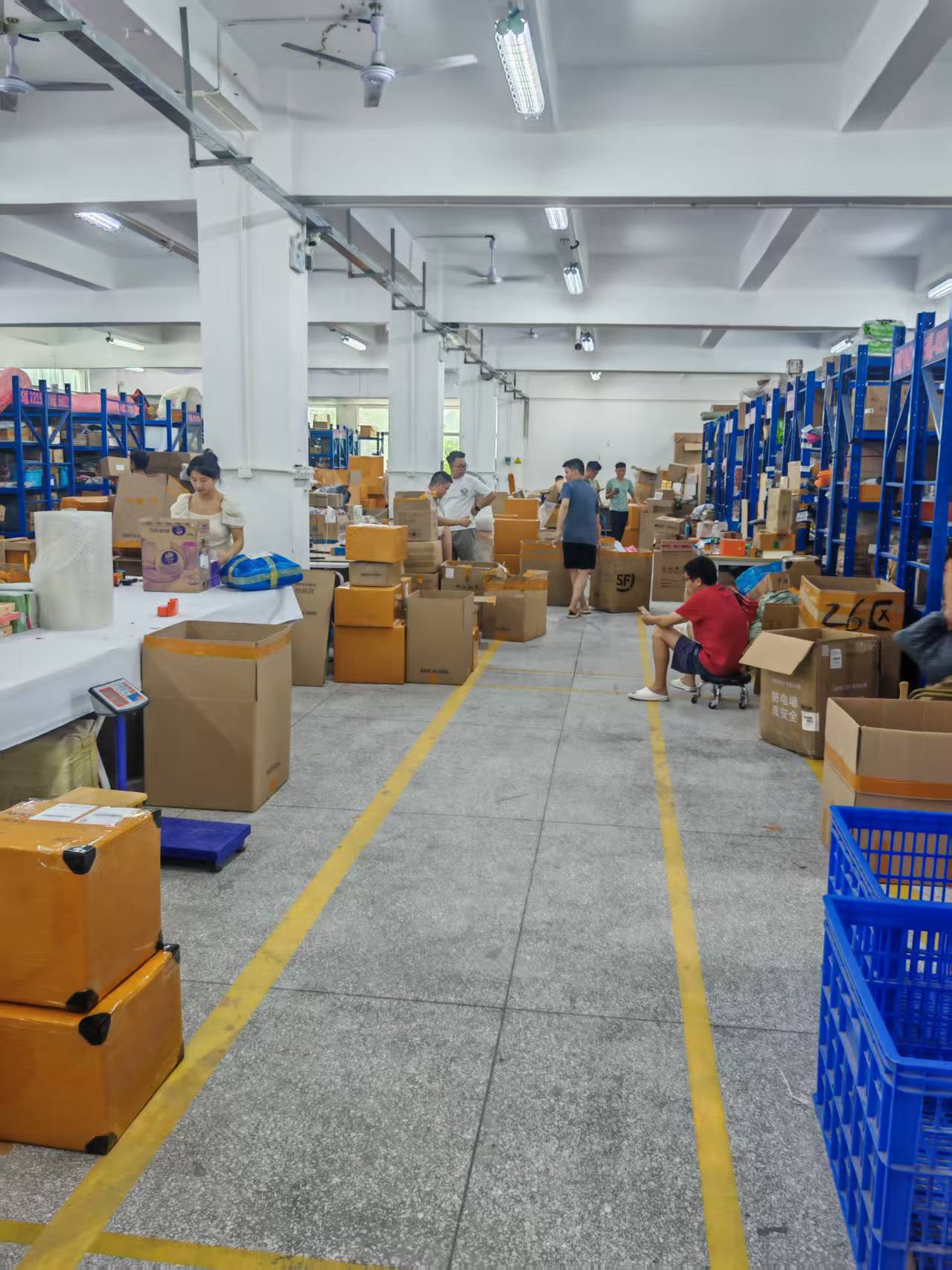
Without proper insurance, a single incident of loss or damage can result in significant financial losses. For example, if a shipment of high - value home appliances is lost at sea, the cost of replacing the goods, shipping them again, and any lost business opportunities can be substantial. Insurance can help mitigate these losses and provide financial security.
V. FAQ
Q1: How do I know if I need all - risk insurance for my household goods shipment to Australia? A: If your goods are of high value, fragile, or subject to a higher risk of damage during transit, all - risk insurance is a good option. Also, if you're not familiar with the potential perils in the shipping process, it provides comprehensive coverage. However, it's more expensive, so you need to weigh the cost against the potential risks.
Q2: What should I do if my shipment is damaged, and I want to make an insurance claim? A: First, contact your logistics partner immediately. They can guide you through the process. You'll need to provide documentation such as the bill of lading, packing list, and photos of the damaged goods. Make sure to follow the insurance company's claim procedures and deadlines.
Q3: Can I change my insurance policy during the shipping process? A: It depends on the insurance company's policies. In some cases, you may be able to make changes, but it's best to discuss this with your insurance provider and logistics partner before the shipment departs. Changing the policy during transit may incur additional fees or restrictions.
Q4: How can Aofei International Logistics help with my shipping insurance? A: Aofei International Logistics has 12 years of experience in the Sino - Australian cross - border logistics industry. They can offer expert advice on choosing the right insurance coverage, assist with documentation for claims, and conduct risk assessments. They also have a good understanding of the latest Australian regulations, which can be crucial in ensuring your insurance is valid.
Q5: Is it possible to get insurance for sensitive goods like cosmetics and liquids when shipping to Australia? A: Yes, it is possible. However, you need to choose an insurance policy that covers these types of goods. Sensitive goods may require additional declarations and compliance with specific regulations. Aofei International Logistics can help you navigate these requirements and find suitable insurance.
When shipping household goods to Australia in 2026, being aware of the potential insurance pitfalls and taking proactive measures can save you from significant losses. Remember to work with a reliable logistics partner and stay informed about the latest regulations to ensure a smooth and secure shipping process.