


I. Introduction
Hey there, Aussie small business owners, importers, and e - commerce sellers! I've been in the thick of the Sino - Australian cross - border logistics game for quite some time now. I've seen firsthand how the shipping landscape can change in a heartbeat. In 2026, there are new policies and trends emerging that are going to shake up the global shipping network. And let me tell you, it's crucial for you all to understand these changes to keep your businesses running smoothly.
I remember a client back in 2024, a home goods seller in Sydney. They were importing a large shipment from China, and due to a lack of knowledge about new customs regulations, their goods got held up at Port Botany for roughly 14 days. This delay not only cost them money but also damaged their reputation with customers. So, I'm here today to break down the shipping channels and help you navigate these potential hurdles.
II. 2026 Policy and Industry Updates
The Australian Border Force (ABF) and the Department of Agriculture, Fisheries and Forestry (DAFF) have introduced some new policies in 2026. These policies are mainly focused on biosecurity and customs valuation. For instance, there are stricter rules regarding the import of goods that may carry pests or diseases. This means that any goods coming from overseas, especially from regions with different biosecurity profiles like China, need to go through more rigorous inspections.
Customs valuation has also become more detailed. The ABF is now paying closer attention to the declared value of goods. Incorrect declarations can lead to hefty fines and delays. As an importer, you need to ensure that your invoices accurately reflect the value of the goods, including any additional costs like shipping and insurance.
III. In - depth Analysis of Shipping Channels (40% of the text)
1. Air Freight
Advantages: Speed is the biggest advantage of air freight. It can get your goods from China to major Australian cities like Sydney, Melbourne, or Brisbane in just 3 - 5 days. This is ideal for high - value, low - volume items such as 3C electronics. For example, an electronics seller in Melbourne once needed to restock a popular smartphone model quickly to meet the holiday season demand. By using air freight, they were able to get the phones in time and make a significant profit.Reliability is relatively high. Airlines usually have strict schedules, and there are fewer variables compared to sea freight, so the likelihood of delays is lower.
Limitations: Cost is the main drawback. Air freight is much more expensive than sea freight. On average, it can cost around 3 - 5 times more. This makes it less suitable for large - volume, low - value goods.
There are also weight and size restrictions. Airlines have specific limitations on the weight and dimensions of each shipment, which can be a problem if you're dealing with bulky items.
2. Sea Freight
Advantages: Cost - effectiveness is the key selling point. Sea freight is significantly cheaper than air freight, especially for large - volume shipments. For a home goods seller importing furniture from a Chinese trade factory, sea freight can cut the shipping cost by up to 70%.It can handle large and bulky items easily. There are no strict size and weight restrictions like in air freight. So, if you're importing big pieces of furniture or heavy machinery, sea freight is the way to go.
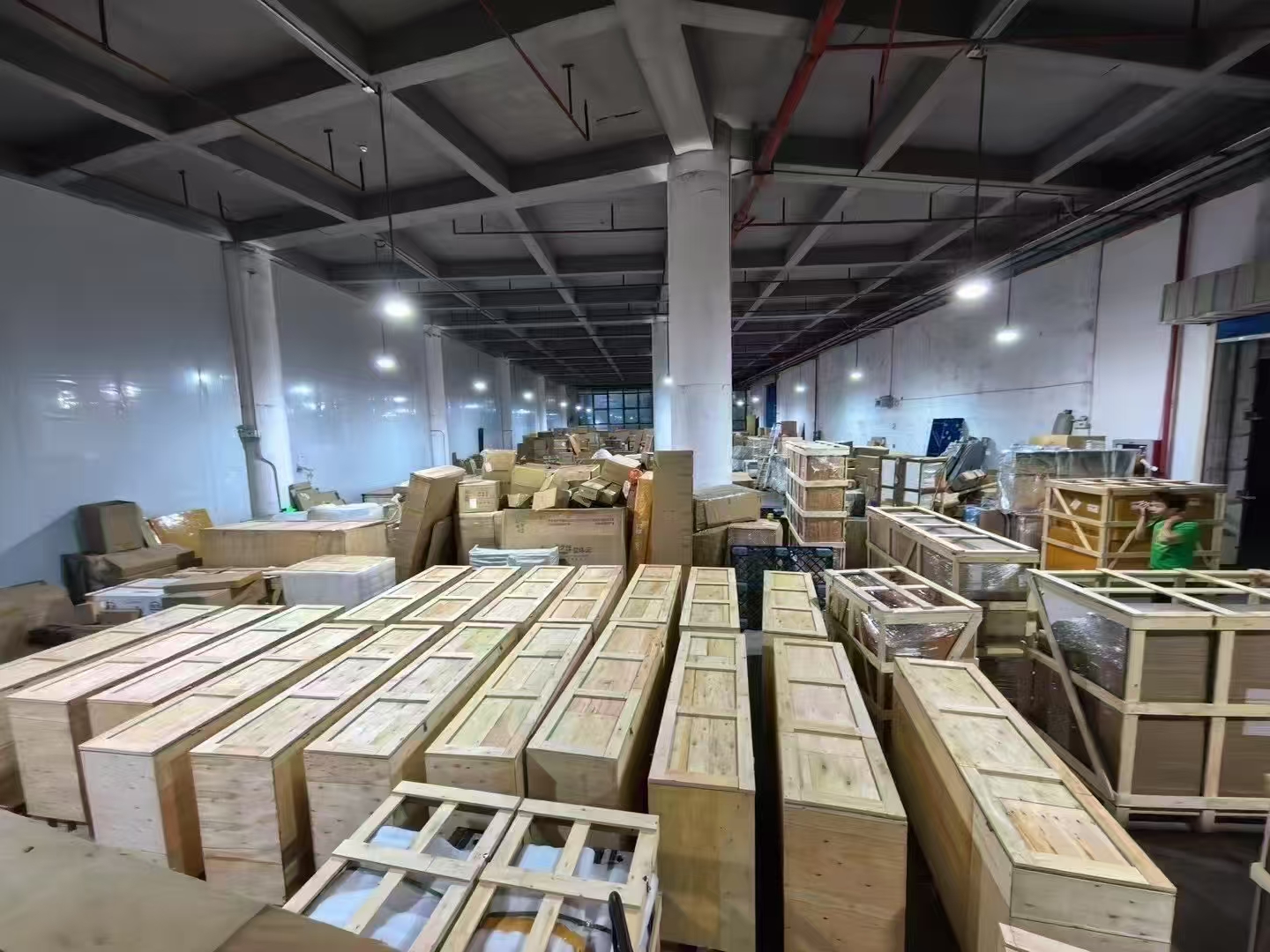
Limitations: Time is the biggest issue. It can take anywhere from 20 - 40 days for goods to reach Australia from China. This long lead time requires careful planning and inventory management.
Sea freight is also more vulnerable to external factors such as bad weather, port congestion, and strikes. These factors can cause significant delays and disrupt your business operations.
3. Courier Services
Advantages: Door - to - door service is very convenient. Courier companies like DHL or FedEx can pick up your goods from the supplier in China and deliver them directly to your doorstep in Australia. This saves you a lot of hassle in terms of handling multiple logistics providers.Tracking is usually more detailed. You can get real - time information about the location of your shipment, which gives you better control over your inventory.
Limitations: Cost is relatively high. Courier services are more expensive than sea freight and can also be pricier than some air freight options, especially for large shipments.
They may have restrictions on certain types of goods, such as hazardous materials or large - scale equipment.
IV. Other Shipping Channels and Their Considerations
1. Rail Freight (Inter - modal)
While not as common for Sino - Australian trade, rail freight combined with sea or air transport can be an option for some specific scenarios. For example, if your goods are sourced from inland China, rail can be used to transport them to a coastal port and then combined with sea freight for the long - haul journey to Australia. However, the connection between different modes of transport can be complex, and there may be issues with transfer and coordination.
2. Specialized Shipping for Oversized Goods
If you're dealing with oversized goods such as large industrial equipment or construction materials, there are specialized shipping services available. They can provide custom - made solutions like special packaging, heavy - lift vessels, or crane - assisted loading and unloading. But these services are also more expensive and require more advanced planning.
V. How to Choose the Right Shipping Channel
1. Consider the Nature of Your Goods
If you're an apparel importer, air freight may be a good option for new season collections that need to hit the market quickly. But for bulk purchases, sea freight could be more economical.For 3C electronics sellers, speed is often crucial, so air freight or courier services might be preferred, especially for high - end products.
2. Factor in Your Budget
If you're on a tight budget, sea freight is the obvious choice for large - volume shipments. However, if the cost of holding inventory due to long shipping times outweighs the savings, then you might need to consider more expensive but faster options.
3. Look at Your Delivery Time Requirements
If you have a specific sales window or a project deadline, you need to ensure that the shipping channel can meet your time needs. For example, if you're an e - commerce seller with a big promotion coming up, you want your stock to arrive in time.
VI. FAQ
What if my goods are held up at customs? Well, it can be a real headache. Usually, it's because of incorrect documentation or non - compliance with biosecurity rules. At [奥飞国际物流], we have a team of experts who can help you sort out the issue. They'll work with the customs authorities to get your goods released as quickly as possible. But it's always better to do your due diligence and ensure all your paperwork is in order from the start.Can I use a combination of shipping channels? Absolutely! In fact, it's a smart move in some cases. For example, you can use air freight for urgent, high - value items and sea freight for the bulk of your inventory. This way, you can balance cost and speed. Just make sure you coordinate the logistics well to avoid any delays in receiving all your goods.
How do I ensure my goods are properly insured? Most shipping companies offer insurance options. You should ask about the details of the insurance coverage, including what's included and what's excluded. It's also a good idea to get an independent insurance quote to compare. At [奥飞国际物流], we can assist you in understanding the insurance options and help you make an informed decision.
What are the potential additional costs I should be aware of? Apart from the basic shipping fees, there can be additional costs such as customs duties, taxes, storage fees at the port if there are delays, and handling fees. Make sure you understand all these potential costs upfront and factor them into your budget. Some shipping companies may also charge for special services like packaging or documentation handling.
As you look to navigate the global shipping network in 2026, keep these insights in mind. The key is to be well - informed, plan ahead, and choose the shipping channel that best suits your business needs. Good luck with your imports and e - commerce ventures!