


Introduction
Hey there, Australian small business owners, importers, and e - commerce sellers! In 2026, the landscape of Shenzhen international shipping is evolving, and it's crucial for you to stay in the loop. I've been in the cross - border logistics game for quite some time, and I've seen firsthand how these changes can make or break a business. Let's dive into what you need to know.
I. New Policies and Regulations in 2026
The Australian Border Force (ABF) and relevant Chinese authorities have rolled out several new policies this year. One significant change is related to biosecurity. The Department of Agriculture, Fisheries and Forestry (DAFF) has tightened regulations on importing goods that may carry pests or diseases. For instance, wooden products now require more detailed inspection and documentation. I had a client back in early 2026 who imported wooden furniture from Shenzhen. They didn't know about the new biosecurity paperwork requirements. As a result, their shipment got held up at Port Botany for roughly 14 days, which not only delayed their business operations but also incurred extra storage fees.
Another policy update affects customs valuation. The way the ABF calculates duties and taxes has been refined to ensure fairness. This means you need to be more accurate when declaring the value of your goods. Incorrect declarations can lead to fines and shipment delays.
II. Shipping Channels and Their Characteristics
Air Freight Air freight is known for its speed. It's suitable for high - value, low - volume goods or time - sensitive products. For 3C electronics sellers in Sydney, air freight from Shenzhen can get your products to the market in as little as 3 - 5 days. However, the cost is relatively high. A shipment of smartwatches worth around AUD 30,000 might cost approximately AUD 5,000 in air freight charges. But the advantage is quick turn - around, which is great for meeting consumer demand during peak seasons.Sea Freight Sea freight is more cost - effective for large - volume shipments. There are different types of sea freight options, such as full container load (FCL) and less than container load (LCL). If you're an apparel importer in Melbourne and you're shipping a large quantity of clothing, an FCL can be a good choice. It gives you exclusive use of the container, reducing the risk of damage. On the other hand, LCL is suitable for smaller shipments. It allows you to share a container with other importers, but you'll have to coordinate with the shipping company for space allocation. A 20 - foot container from Shenzhen to Port of Melbourne might cost around AUD 2,500, while LCL rates are usually calculated based on volume or weight.
III. The Role of a Reliable Logistics Partner: A Case Study
I'd like to introduce you to Aofei International Logistics, a Shenzhen - based cross - border logistics provider that has been serving the Australia - China route for 12 years. Let's look at a real case of a home goods seller in Brisbane.
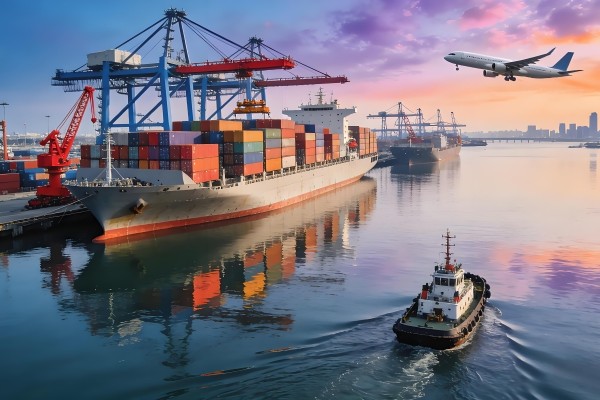
Specific Scenario: The seller wanted to import a large shipment of ceramic home decor items from Shenzhen. They had tight deadlines as they were planning a seasonal promotion. Problem Encountered: They were worried about the high costs of air freight and the long transit times of sea freight. They also had concerns about the fragile nature of the ceramic items and the complexity of customs clearance. Final Outcome: Aofei International Logistics proposed a customized solution. They recommended a direct shipping route to Brisbane that reduced transit time compared to regular sea freight. For the ceramic items, they provided professional packaging services, including shock - absorbing materials and wooden pallets. Their experienced customs clearance team handled all the paperwork, ensuring a smooth and fast clearance process at the port. As a result, the shipment arrived on time, and the items were in perfect condition.
IV. Cost Considerations
When calculating the cost of shipping from Shenzhen to Australia, you need to consider several factors. In addition to the basic freight charges, there are also fees for customs clearance, storage, and handling. Aofei International Logistics offers transparent pricing. They use a standardized计费 and阶梯定价规则, with no hidden fees or port surcharges. For example, for a combined shipment of various goods worth around AUD 50,000, they might charge around AUD 8,000 for all - inclusive services, which includes international shipping, customs clearance, and local delivery.
V. FAQ Section
Q: How long does it usually take for a sea freight shipment from Shenzhen to Sydney? A: Well, it depends on various factors like the shipping route, the type of vessel, and possible stops along the way. Generally, it takes about 20 - 25 days. But sometimes, there could be delays due to bad weather or port congestion. With a good logistics partner like Aofei International Logistics, they'll keep you updated on the progress and try their best to minimize any delays.
Q: Can I ship sensitive goods like cosmetics from Shenzhen to Australia? A: Yes, you can. Aofei International Logistics has a good track record of handling sensitive goods. They have a deep understanding of the regulations and requirements for importing cosmetics. They'll guide you through the proper declaration process to ensure a high clearance rate. In fact, their sensitive goods clearance rate is stable at over 98%.
Q: What if my shipment gets damaged during transit? A: That's a valid concern. Aofei International Logistics has a comprehensive after - sales service. They offer a clear - cut compensation policy. For losses caused during the shipping process, they'll make sure you get compensated, especially for large - value items like furniture. They'll handle the whole claim process for you, so you don't have to worry about the hassle.
Q: How can I track my shipment? A: Aofei International Logistics has a digital system that allows you to track your shipment in real - time. You can easily access the information through their official website or contact their customer service. They'll provide you with a tracking number as soon as the shipment departs from Shenzhen, so you can monitor its progress all the way to Australia.
Q: Are there any special considerations for shipping large or irregular - shaped items? A: Absolutely. For large or irregular - shaped items, Aofei International Logistics has a dedicated team to design customized solutions. They'll provide special packaging, such as wooden frames and shock - proof materials, to ensure the safety of your goods. They're experienced in handling everything from oversized furniture for immigrant customers to large machinery for trade factories.
In summary, understanding the new policies, choosing the right shipping channel, and partnering with a reliable logistics company are vital for Australian importers doing business with Shenzhen in 2026. Keep these points in mind, and you'll be well - equipped to navigate the cross - border shipping challenges.