


I. Introduction
Are you an Australian importer struggling with the complexities of Shenzhen warehousing and distribution in 2026? Well, you're not alone. I've been in the cross - border logistics business for years, and I've seen firsthand how these processes can either make or break an import business. In this article, I'll share some valuable insights to help you navigate this area with ease.
II. The Current Landscape of Shenzhen Warehousing and Distribution for Australian Importers
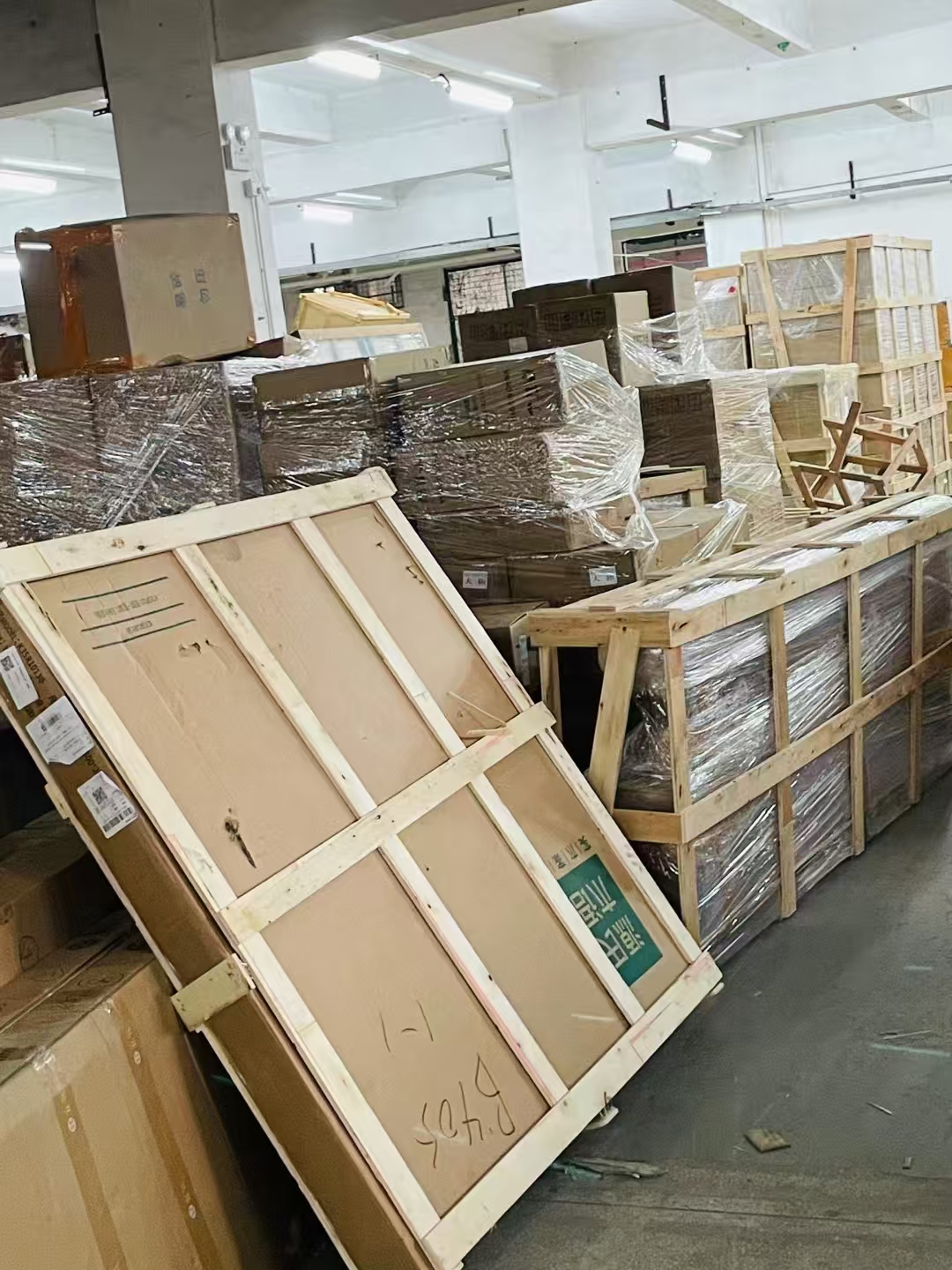
Increased Demand and Congestion Since the start of 2026, there's been a significant upswing in the demand for Shenzhen warehousing and distribution services. With the growth of e - commerce and the increasing number of Australian small businesses sourcing products from Shenzhen, the warehouses are busier than ever. For instance, the average utilization rate of Shenzhen warehouses has reached about 85%, up from 78% in 2025. This congestion can lead to longer storage times and potential delays in distribution.New Policies and Regulations The Australian Border Force (ABF) and Chinese customs have introduced some new policies this year. For example, there are stricter regulations on product safety and quality control. Importers need to ensure that their products meet both Australian and Chinese standards. This has added an extra layer of complexity to the warehousing and distribution process.
III. Key Considerations for Australian Importers (40% of the article)
Warehouse Selection Location: When choosing a warehouse in Shenzhen, location is crucial. A warehouse near major ports like Yantian or Shekou can significantly reduce transportation costs and transit times. For example, a home goods seller from Sydney was sourcing products from Shenzhen. By choosing a warehouse close to Shekou Port, they were able to cut down their transportation time from the warehouse to the port by about 30 minutes, which translated into faster shipping to Australia.Facilities and Services: Look for warehouses that offer value - added services. Some warehouses in Shenzhen provide services like product inspection, labeling, and repackaging. A 3C electronics seller from Melbourne was able to save a lot of time and effort by choosing a warehouse that offered product inspection services. The warehouse staff checked the electronics for any defects before shipping, ensuring that only high - quality products were sent to Australia.
Cost: Cost is always a factor. However, don't just go for the cheapest option. Some low - cost warehouses may have poor facilities or lack the necessary security measures. It's important to find a balance between cost and quality.
Distribution Channels Direct Shipping: Direct shipping from Shenzhen to Australia can be a good option for large - volume orders. It reduces the number of handling times and can potentially speed up the delivery process. But it also requires careful planning and coordination. For instance, an apparel importer from Brisbane used direct shipping for a large order of summer clothes. They worked closely with their logistics provider to ensure that the shipping schedule was optimized, and the products arrived in Australia just in time for the summer season.
Transshipment: Transshipment through other ports or hubs can sometimes be more cost - effective, especially for smaller orders. However, it also adds an extra step to the process and may increase the risk of delays or damage.
Inventory Management Forecasting Demand: Accurate demand forecasting is essential for efficient inventory management. Australian importers should analyze market trends, historical sales data, and upcoming events to predict how much stock they'll need. A trade factory in Sydney that imported industrial parts found that by improving their demand forecasting, they were able to reduce their inventory holding costs by about 15%.
Safety Stock: It's also important to maintain a certain level of safety stock to deal with unexpected demand or supply disruptions. This can prevent stock - outs and keep your business running smoothly.
IV. The Role of Logistics Providers
Expertise and Experience A reliable logistics provider can be a game - changer. They have the expertise and experience to handle all the complexities of Shenzhen warehousing and distribution. For example, [奥飞国际物流] has been in the cross - border logistics industry for 12 years, focusing on the China - Australia route. They know the ins and outs of Shenzhen's warehouses and distribution networks, and can provide customized solutions for Australian importers.Value - Added Services Many logistics providers offer value - added services such as free package consolidation, long - term free storage, and assistance with customs clearance. [奥飞国际物流] provides a range of free value - added services, including free collection of online shopping packages from platforms like Taobao, JD.com, and 1688, free package inspection upon arrival at the warehouse, and up to 365 days of free storage.
V. FAQ
What are the main risks associated with Shenzhen warehousing and distribution in 2026? The main risks include congestion in warehouses leading to delays, new and stricter policies that may cause compliance issues, and potential damage to goods during transportation. However, by choosing a reliable logistics provider and doing proper planning, you can minimize these risks.How can I ensure my products meet the new safety and quality regulations? Work with a logistics provider that has experience in dealing with these regulations. They can help you with product inspection and ensure that all the necessary documentation is in order. For example, [奥飞国际物流] has a professional team that can guide you through the process.
Is it better to use direct shipping or transshipment? It depends on your order volume and specific requirements. Direct shipping is better for large - volume orders as it's faster and has fewer handling times. Transshipment can be more cost - effective for smaller orders, but it may take longer and has a slightly higher risk of delays.
How can I manage my inventory effectively in Shenzhen warehouses? Accurate demand forecasting is key. Analyze market trends and historical data. Also, maintain an appropriate level of safety stock to deal with unexpected situations. You can also work with a logistics provider that offers inventory management services.
What should I look for in a logistics provider? Look for a provider with expertise in the China - Australia route, good reviews, and a range of value - added services. [奥飞国际物流] is a good example as they have 12 years of experience in the China - Australia cross - border logistics, offer many free value - added services, and have a high - quality service record.
In the ever - changing world of Shenzhen warehousing and distribution in 2026, Australian importers need to stay informed and make smart decisions. By following these tips and working with the right partners, you can ensure a smooth and successful import process.