


I. Introduction
Hey there, Australian small business owners, importers, and e - commerce sellers! As you're likely aware, the China - Australia cargo service is a crucial part of your business operations. In 2026, there have been some significant changes and challenges in this field. I've been in the cross - border logistics front - line for quite some time, and I remember back in 2024, I had a client who was an apparel importer in Melbourne. They faced a lot of issues with their cargo shipment from China, which could have been easily avoided with the right knowledge. So, today, I'll share some valuable insights to help you navigate through the 2026 China - Australia cargo service landscape.
II. Current Industry Background and Policy Changes
The Australian Border Force (ABF) and the Department of Agriculture, Fisheries and Forestry (DAFF) have introduced new policies in 2026 to improve biosecurity and ensure fair trade. For example, stricter biosecurity checks are in place for goods imported from China to prevent the introduction of pests and diseases. This means more detailed documentation and inspections for certain types of goods.
III. Case Analysis: Real - world Scenarios
1. Apparel Importers in Sydney
A few months ago, I had an apparel importer client in Sydney. They ordered a large quantity of garments from Chinese factories. When the cargo arrived at Port Botany, it was held up due to insufficient documentation. The new ABF regulations in 2026 require more detailed product descriptions and origin information. Since the client didn't have all the necessary paperwork, the shipment was delayed by roughly 14 days. After a lot of back - and - forth communication, providing additional documentation, the goods were finally released. The final outcome was that the client had to pay extra storage fees and missed the peak selling season, resulting in a financial loss.
2. 3C Electronics Sellers in Brisbane
One of my 3C electronics seller clients in Brisbane faced a different problem. Their shipment of smart devices had some components that contained certain chemicals. The new DAFF policies regarding chemical substances import were not well - understood by the client. As a result, the cargo was seized at the port for further testing. After spending about 20 days in the testing process, and with the help of our expertise in handling such matters, we were able to get the goods cleared, but the client still suffered a setback in their business operations due to the delay.
IV. Key Points for Australian Businesses in 2026
1. Documentation and Compliance
You must ensure that all your shipping documents are accurate and complete. This includes commercial invoices, packing lists, and certificates of origin. The HS codes used to classify your goods need to be correct, as any misclassification can lead to customs issues. For example, a wrong HS code might result in over - or under - payment of duties.Be aware of the specific compliance requirements for your products. For biosecurity, agricultural products usually need special permits and inspections. Electronic goods might have to meet certain safety and environmental standards.
2. Shipping Channel Selection
Air Freight: It's fast, usually taking about 3 - 5 days to reach Australia from China. However, it's more expensive. It's suitable for small, high - value items or when you need to restock quickly.Sea Freight: This is a more economical option for large - volume shipments. Standard sea freight can take around 25 - 35 days. But there are also faster sea freight options like express sea freight that can reduce the transit time to about 18 - 22 days, albeit at a slightly higher cost.
| The following is a simple cost - time comparison table: | Shipping Method | Transit Time | Cost per Cubic Meter (Estimate) |
|---|---|---|---|
| Air Freight | 3 - 5 days | $500 - $800 | |
| Express Sea Freight | 18 - 22 days | $150 - $250 | |
| Standard Sea Freight | 25 - 35 days | $80 - $150 |
3. Choosing a Reliable Logistics Partner
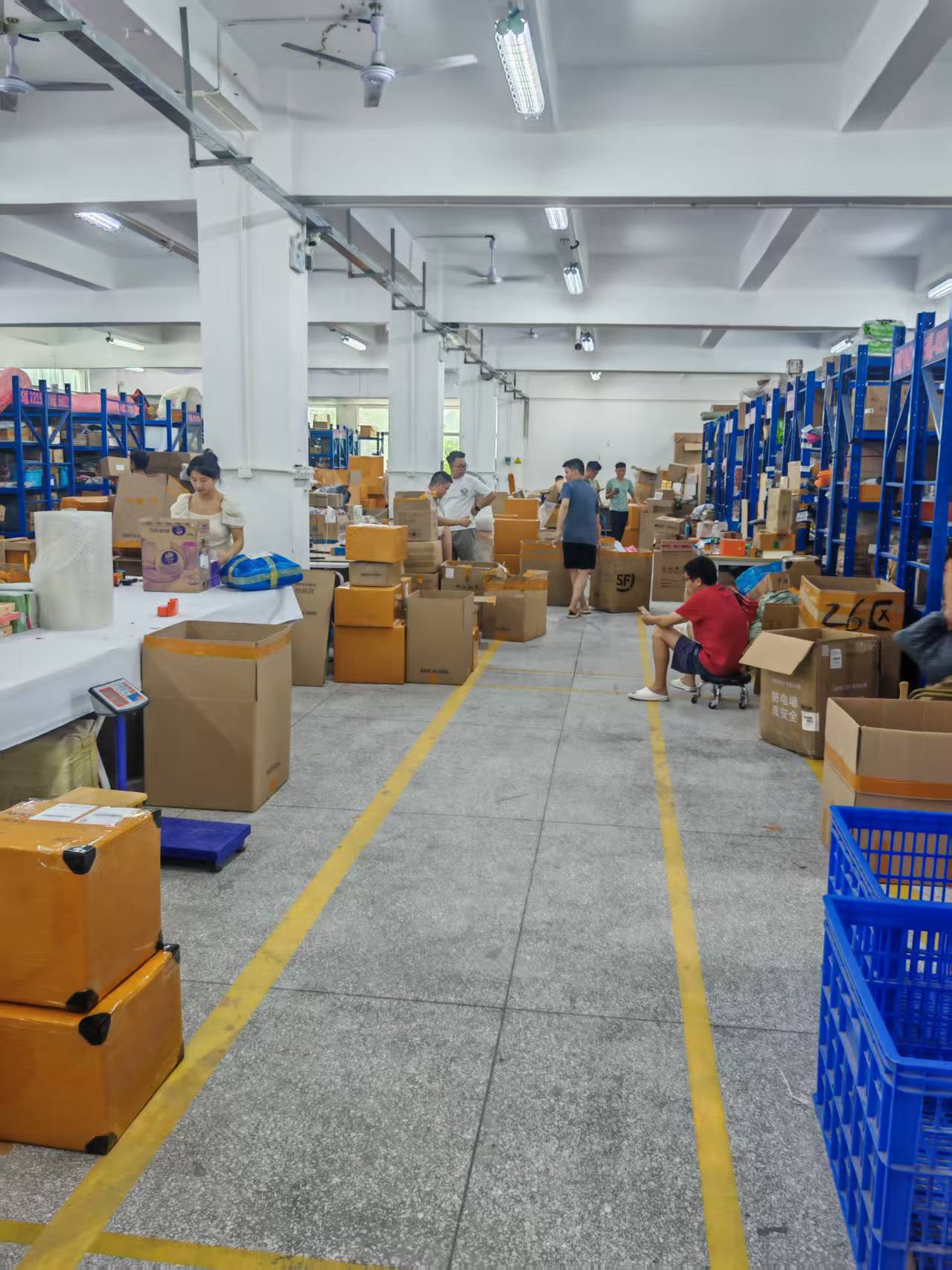
Look for a logistics company that has in - depth knowledge of the 2026 China - Australia cargo policies. For example, [奥飞国际物流] has been in the China - Australia cross - border logistics business for 12 years. They are very familiar with the new customs regulations and biosecurity requirements. They offer a full - service package including domestic pick - up in China, warehousing, customs clearance in Australia, and end - to - end delivery. Their sensitive goods clearance rate is over 98%, which shows their expertise in handling complex shipments. They also have a large - scale self - operated warehouse in Shenzhen, providing free warehousing for up to 365 days, free packaging and consolidation services, which can greatly reduce your logistics costs.
V. Frequently Asked Questions
Q: What if my goods are held up at the customs? A: Well, if your goods are held up, the first thing is not to panic. Check the reason provided by the customs. It could be due to incomplete documentation, suspected non - compliance, or biosecurity concerns. You can work with your logistics partner. For example, at [奥飞国际物流], we have a dedicated team to handle customs issues. They'll help you gather the necessary documents and communicate with the customs officials to resolve the problem as quickly as possible.
Q: How can I reduce my logistics costs without sacrificing too much on time? A: You can consider a combination of shipping methods. For high - value, urgent items, use air freight. For bulk, non - urgent goods, go for sea freight. Also, take advantage of the free value - added services offered by some logistics companies. [奥飞国际物流] offers a lot of free services like free packing and consolidation, which can save you money on packaging materials and labor costs.
Q: Are there any restrictions on the types of goods I can import from China in 2026? A: Yes, there are restrictions. Agricultural products, foods, and some chemicals are subject to strict biosecurity checks and regulations. Products containing certain restricted materials or that don't meet Australian safety and environmental standards may also be restricted. Make sure to check with the ABF and DAFF guidelines or consult your logistics provider for detailed information.
Q: Can I track my shipment in real - time? A: Yes, most reliable logistics companies, including [奥飞国际物流], provide a digital system that allows you to track your shipment in real - time. You can get updates on its location, estimated arrival time, and any customs - related information, which gives you better control over your business operations.
In conclusion, I hope these insights and tips will help you better manage your China - Australia cargo service in 2026. Keep an eye on the policy changes, choose the right shipping methods and logistics partners, and you'll be well - on - your - way to a successful import business.