


I. Introduction
Hey there, Australian small business owners, importers, and e - commerce sellers! In 2026, you're probably dealing with all sorts of headaches when it comes to getting your goods from China to Australia. I've seen firsthand how tricky it can be. Just last year, I had a client who was an apparel importer in Melbourne. He thought he was getting a great deal with a cheap shipping agent, but ended up with huge delays and extra costs due to customs issues. This is a common pain point, so let's dig into how you can make cost - effective freight a reality.
II. The Current Landscape of China - Australia Freight in 2026
As of 2026, there have been some significant changes in the China - Australia freight route. The Australian Border Force (ABF) has tightened up some regulations, especially regarding biosecurity. For instance, goods that could pose a risk to the local environment, like wooden products, are subject to more rigorous inspections.
Shipping costs have also been fluctuating. Factors such as fuel prices, global supply chain disruptions, and geopolitical tensions play a role in these changes. On average, air freight rates have increased by about 12% compared to 2025, while sea freight has seen a 7% rise, according to industry reports.
III. Cost - effective Freight Strategies (40% of the article)
1. Choosing the Right Shipping Method
Sea Freight: It's the most cost - efficient option for large - volume shipments. A home goods seller in Brisbane bringing in a large order of furniture will find sea freight much more economical. But keep in mind, it has a longer transit time, usually around 20 - 30 days depending on the route and port congestion.
2. Optimizing Packaging
Proper packaging can save you a lot of money. I once had a 3C electronics seller in Melbourne who was over - packaging his products. By switching to more streamlined and lightweight packaging, he was able to reduce the volume of his shipments. This not only cut down on shipping fees but also allowed him to fit more items in a single container. Another important aspect is to ensure the packaging meets the requirements of the shipping company and Australian customs. For example, wooden packaging must be treated to prevent the spread of pests.
3. Consolidating Shipments
If you have multiple small orders, consolidating them into one shipment can be a game - changer. Let's say you're an apparel importer with orders from different Chinese suppliers. Instead of shipping each order separately, you can coordinate with a freight forwarder to combine them. This way, you can take advantage of better volume - based shipping rates. A common mistake is not planning ahead for consolidation, which can lead to missed opportunities and higher costs.
4. Working with a Reliable Freight Forwarder
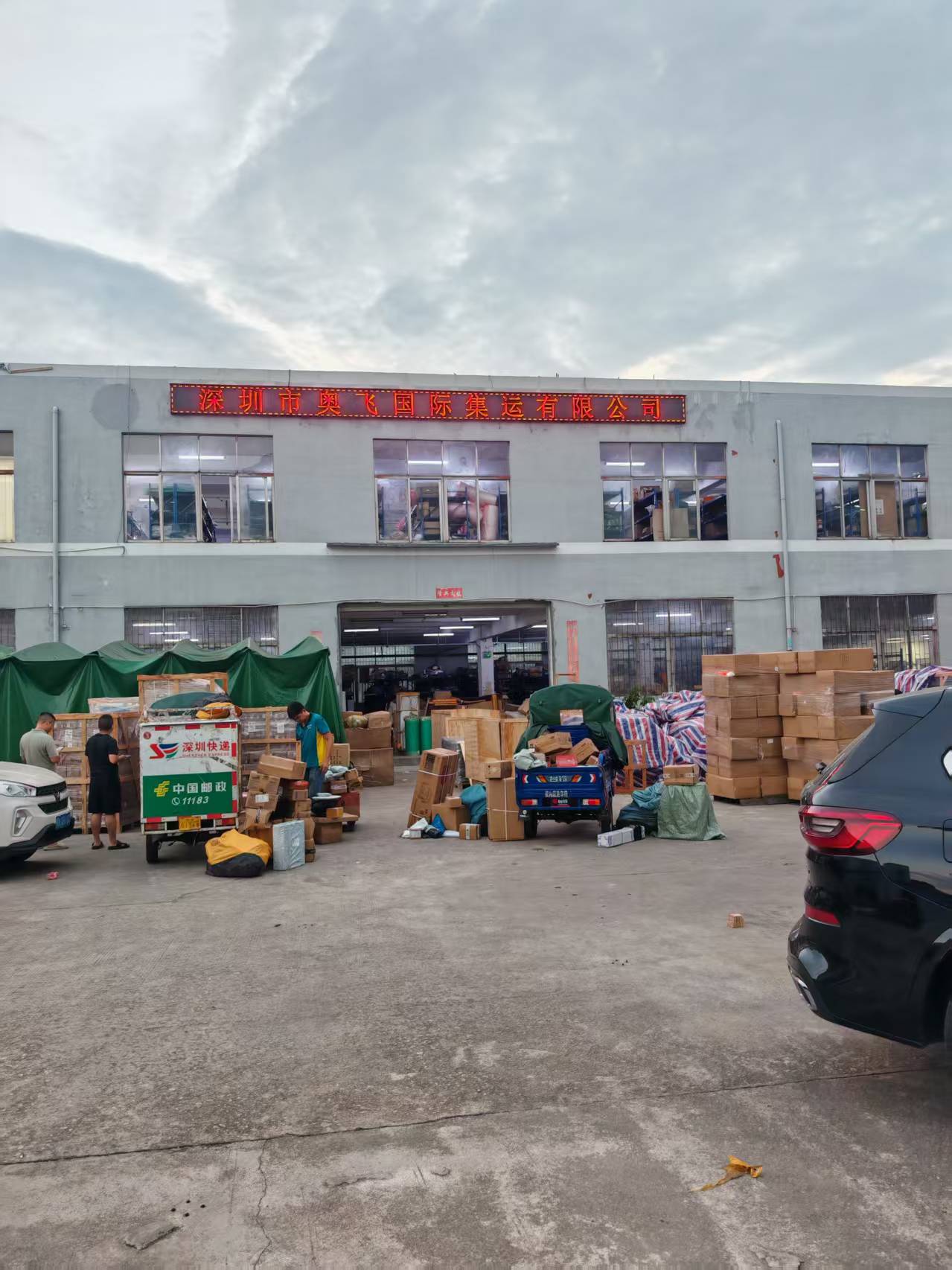
A good freight forwarder can make all the difference. I've seen too many cases where businesses try to handle everything themselves and end up facing costly mistakes. For example, they might not be aware of the latest customs regulations or might choose the wrong shipping method. A professional freight forwarder like [奥飞国际物流] has the expertise and experience in handling China - Australia shipments. They can help you navigate the complex customs procedures, find the best shipping options, and even provide additional services like free warehousing for up to 365 days and free package consolidation.
IV. Challenges and How to Overcome Them
1. Customs Delays
Customs inspections can cause significant delays. The Australian Department of Agriculture, Fisheries and Forestry (DAFF) conducts strict inspections to protect the local ecosystem. To avoid delays, make sure to provide accurate and detailed documentation for your goods. For example, if you're importing food products, you need to have proper certificates of origin and compliance with Australian food safety standards.
2. Seasonal Fluctuations
Shipping rates tend to be higher during peak seasons. Around Christmas and Chinese New Year, demand for shipping space is much higher. You can plan ahead and book your shipments in advance to secure better rates. Some freight forwarders also offer peak - season protection plans to ensure you're not affected by sudden price hikes.
V. FAQ
Q: How can I ensure my goods pass customs smoothly? A: Provide accurate and detailed documentation. Know the HS codes for your products and make sure you're compliant with Australian biosecurity and customs regulations. Working with a professional freight forwarder like [奥飞国际物流] can also help, as they have a team that's well - versed in these procedures.Q: Is it worth it to use air freight for my small - volume, high - value items? A: It depends on your business needs. If getting the products to the market quickly is crucial for your sales, then air freight might be worth the extra cost. For example, if you're launching a new tech product, the faster delivery can give you a competitive edge.
Q: Can I save money by shipping directly without a freight forwarder? A: It might seem like you're saving money at first, but without the expertise of a freight forwarder, you could end up paying more in the long run. They can help you find the most cost - effective shipping methods, handle customs clearance, and avoid costly mistakes.
Q: How do I deal with shipping large and heavy items? A: For large and heavy items, sea freight is usually the best option. You'll want to work with a freight forwarder that has experience in handling oversized cargo. [奥飞国际物流] offers a specialized service for large and heavy items, including custom packaging and secure transportation.
Q: What if my goods are damaged during transit? A: Make sure your freight forwarder offers a fair insurance and compensation policy. [奥飞国际物流] has a comprehensive after - sales service, including a commitment to compensate for lost or damaged goods.
As you plan your China - Australia freight in 2026, keep these strategies in mind. Always stay informed about the latest regulations and trends in the industry, and don't hesitate to seek professional help when you need it. This will help you not only save costs but also ensure a smooth and efficient shipping process.